
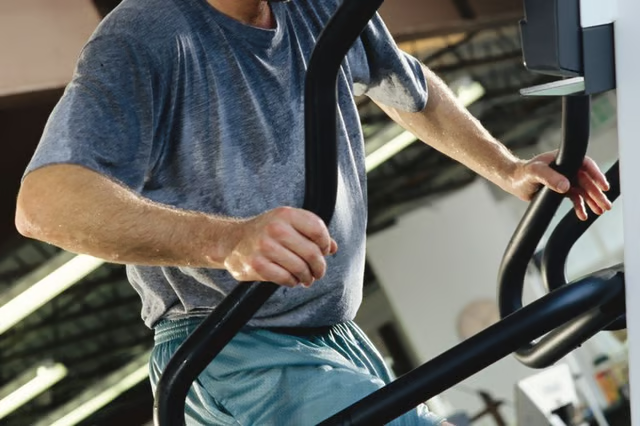


Joint pain and inflammation caused by osteoarthritis or rheumatoid arthritis may affect the way you exercise on a stair stepper machine, depending what part of the body is affected. Exercise is a necessary part of overall health, even with arthritis. After consulting with a rheumatologist -- a physician who specializes in arthritis and joint disorders -- let your body be your guide. Arthritis of the back, hips, or joints in the legs can flare or worsen with too much strain or impact, but a moderate program can provide health benefits. There are several considerations when determining whether or not a stair stepper is appropriate in your exercise routine.
Types of Arthritis
Osteoarthritis, also called degenerative arthritis, is also sometimes called "wear and tear" arthritis because it is thought to be caused by long-term use or overuse of a joint. It is typically a disease of older adults. Rheumatoid arthritis -- RA -- is an autoimmune condition that strikes children and adults and results in inflammation and joint pain. The joints most often affected are the wrists, fingers, knees and ankles. Another symptom of RA is fatigue and generalized achiness.
Benefits of Exercise for Arthritis Patients
Regular, moderate exercise can strengthen the muscles surrounding joints and provide stability. It can increase flexibility and endurance, increase energy and relieve depression. Aerobic and strength-training exercise are necessary components of weight control, which is important for living healthfully with arthritis. Begin gradually and work up to a moderate level that doesn't exacerbate joint pain. If you haven't exercised in a long time, begin with walking at a moderate to brisk pace on level ground and up stairs at home or while out and about. If this doesn't cause pain and you want a greater challenge, progress to a stair stepper with speed and intensity adjustments.
A stair stepper machine, also called a stair climber, is a stationary piece of equipment on which the user steps on rotating platforms simulating climbing stairs. There are portable models for home use and larger machines found in health and fitness clubs. If you have arthritis and intend to use a stair stepper, use one with variable settings so you can adjust the speed and intensity of your workout. Handrails are also important for stability.
Special Consideratons
Inflamed hand joints can make gripping difficult and painful, but don't be tempted to exercise hands-free. Adjust your position or add a modified hand bar for stability. Extending the bent knee beyond the toes can worsen knee problems. If you have arthritis in the knees, a stair stepper might not be the best way for you to exercise. A personal trainer or health club employee might not have training in how to manage arthritis, but a physical therapist can show you how to use a stair stepper safely and effectively.