


Much is said about the benefits of prenatal exercise, but it’s your fitness level prior to conception that sets the stage for the type of exercise you’ll be able to continue throughout a healthy pregnancy. If you’re a marathon runner, Ironman competitor or other serious athlete, reduce the intensity of your training several weeks before trying to conceive to ensure regular ovulation. Also discontinue any exercises or sports that are jarring or put you at risk for abdominal trauma, including horseback riding, skiing, basketball, soccer and gymnastics.
Walking
Walking is the ideal preconception exercise for a number of reasons. If you’re unfit, overweight and would like to shed some pounds for a healthier pregnancy, a walking program provides you with a low-impact aerobic workout. You don’t need anything more than a pair of supportive shoes to start, although some serious walkers use walking poles to get a simultaneous upper body workout. Once pregnant, you can continue your walking workouts with your health care provider’s consent.
Cycling
Biking is another low-impact cardiovascular workout that can help you drop excess pounds or maintain a healthy weight, improve circulation, increase muscle tone and endurance, keep your cholesterol levels healthy and reduce your risk for conditions such as type 2 diabetes. Most types of outdoor biking and indoor cycling classes provide ideal preconception workouts, but if you get in a lot of miles or ride risky single track, you might need to tone down your workouts.
Swimming
Most fitness professionals and health care providers put swimming at the top of the list of safe preconception and prenatal exercises. Swimming laps, jogging in the pool and group water aerobics classes are non-impact workouts that develop cardiovascular and muscular strength and endurance. You can usually continue your pool workout throughout a problem-free pregnancy. In your second and third trimesters, your buoyancy in the water can help alleviate common pregnancy-related aches, such as lower back pain.
Pilates
Pilates is a mind-body workout that simultaneously strengthens and stretches your muscles. Going to mat class or training on the reformer two to three times a week can replace traditional strength-training workouts. Most of the exercises in the Pilates repertoire focus on initiating movement from your powerhouse, or core muscles. Going into your pregnancy with a strong core is the prerequisite for maintaining it, and strong, stable abdominal muscles can aid in delivery and postpartum recovery.
Yoga
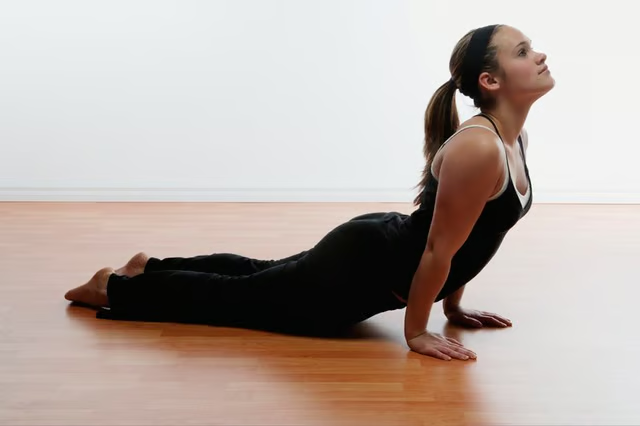
Yoga, like Pilates, is a mind-body exercise that increases muscular flexibility, strength and endurance. Its deep-breathing techniques promote increased circulation, reduced stress and easier relaxation. Avoid hot room, or Bikram, yoga while you’re trying to conceive, because:
- if you’ve become pregnant
- you’re not yet aware of it
- the high studio temperature poses risks to your embryo or fetus
Prenatal yoga workouts are designed for pregnant and postpartum women, in addition to those trying to conceive.
Resistance Training
Resistance training two or three times a week builds strong muscles and bones, both of which are beneficial during pregnancy. The stability ball is an ideal piece of fitness equipment because you can continue using it in your prenatal resistance training workouts.