
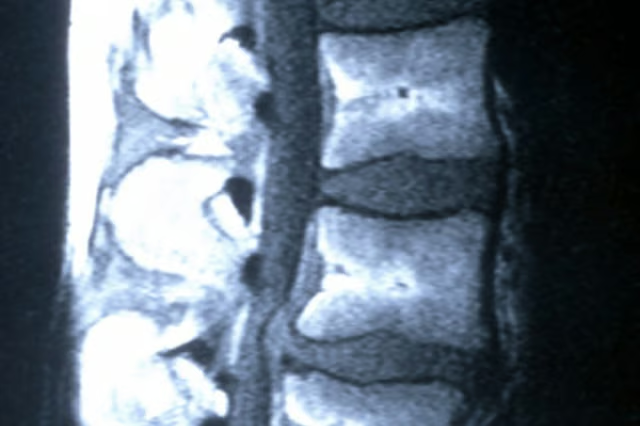


The spinal cord is the main route for information to be transported to the brain from the peripheral nervous system. Together with the brain, the spinal cord composes the central nervous system. The cord resides within a tunnel of bones called vertebrae. The vertebrae help protect this vital part of the human anatomy. The spinal cord is divided into three main sections, each controlling specific parts of the body.
Cervical
The cervical spinal cord is the portion of the cord that is closest to the head. This portion of the spinal cord is protected by vertebrae C1 through C7. These vertebrae function to allow flexion, extension, bending and turning of the head. This portion of the spinal cord innervates the neck and arms. The section is divided into eight individual sections that each control specific functions of the neck and arms. Nerves of this area receive information from sensations felt in the upper body and send these messages to the brain. Nerves of this area also innervate and help control the diaphragm, deltoids, biceps, triceps, hands and wrist extenders.
Thoracic
The thoracic region of the spinal cord is protected by 12 vertebrae and helps control the muscles of the chest that are involved in breathing and coughing. This is the middle region of the spinal cord. This region also houses nerves of the sympathetic nervous system. Nerves of this region also innervate the muscles of the abdomen.
Lumbosacral
The lumbosacral portion of the spinal column and cord is the lowest portion, near the lower back. There are five vertebrae that protect this portion of the spinal cord. This portion of the cord and the nerves associated with it supply the legs, pelvis, bowels and bladder. Sensations that you feel in your feet and lower body are transmitted via the lumbosacral spinal cord and nerves, up through the thoracic and cervical segments to the brain. The nerves of this region are also involved in sexual function.
Spinal Cord Injury
Spinal cord injuries are very serious injuries that can result in loss of function, mobility and feeling, depending on the specific region injured. Spinal cord injuries most often result from traumatic events such as car accidents and falls. Injuries that affect the cervical region of the spinal cord often result in loss of function in arms and legs, resulting in quadriplegia. Thoracic cord injuries affect the chest and legs, resulting in paraplegia. Injuries to the lumbosacral region most often affect the hips and legs. Loss of function and feeling can vary according to the severity of the injury.