
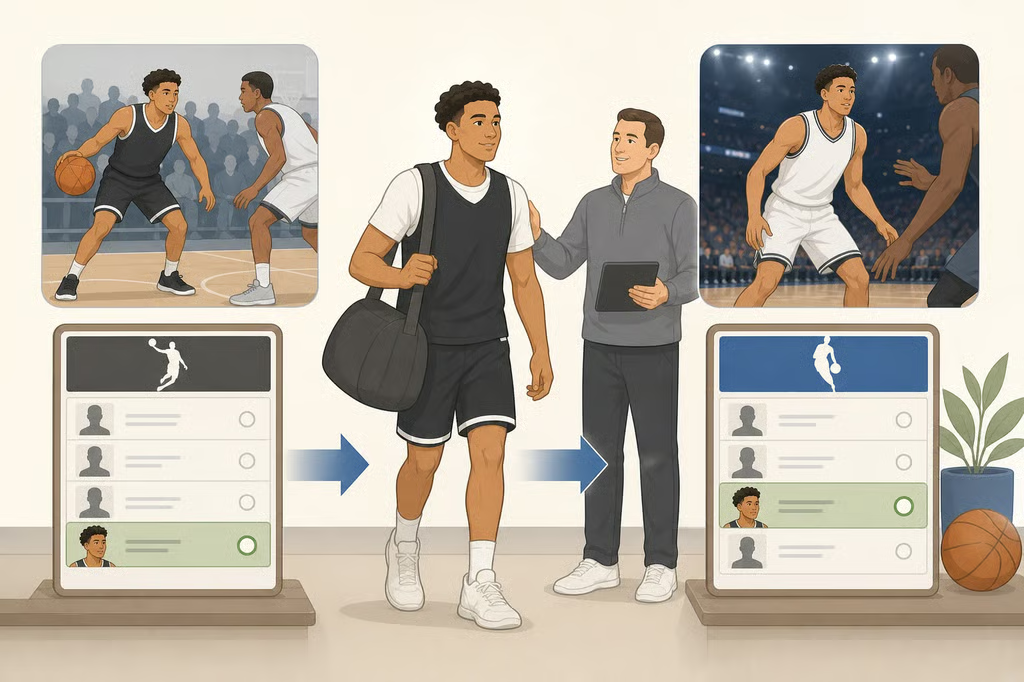
- What is an NBA two-way contract? Pay and game limits
- What is an NBA two-way contract? Rules for pay, terms and eligibility
- What is the NBA two-way contract 50-game limit?
- Can two-way players play in the G League? The team-wide "under-15" cap
- How does a two-way player earn a standard NBA contract?
- Checking a two-way signing: the order that matters
What is an NBA two-way contract? Pay and game limits
Nearly half of the NBA's 30 teams carried 14-man standard rosters for most of the 2025-26 season, a money-saving move tied to luxury-tax and hard-cap math, according to a Hoops Rumors analysis from nine months ago. Twelve of the 13 teams running shorthanded rosters were already paying into the tax, and the 13th would have crossed that line too had it carried a full 15-man roster, the analysis found.
That roster strategy trips a lesser-known limit buried inside the rules governing two-way contracts. So what is an NBA two-way contract? It's a roster tool, created in the 2017 collective bargaining agreement and expanded in the 2023 CBA, that lets each team sign up to three additional players who move between the NBA roster and the G League, according to Spotrac, from two years ago.
From here: how those deals actually work, how the 50-game limit plays out for an individual player, what happens once a team runs short-handed, and how a two-way player finally locks down a standard contract.
What is an NBA two-way contract? Rules for pay, terms and eligibility
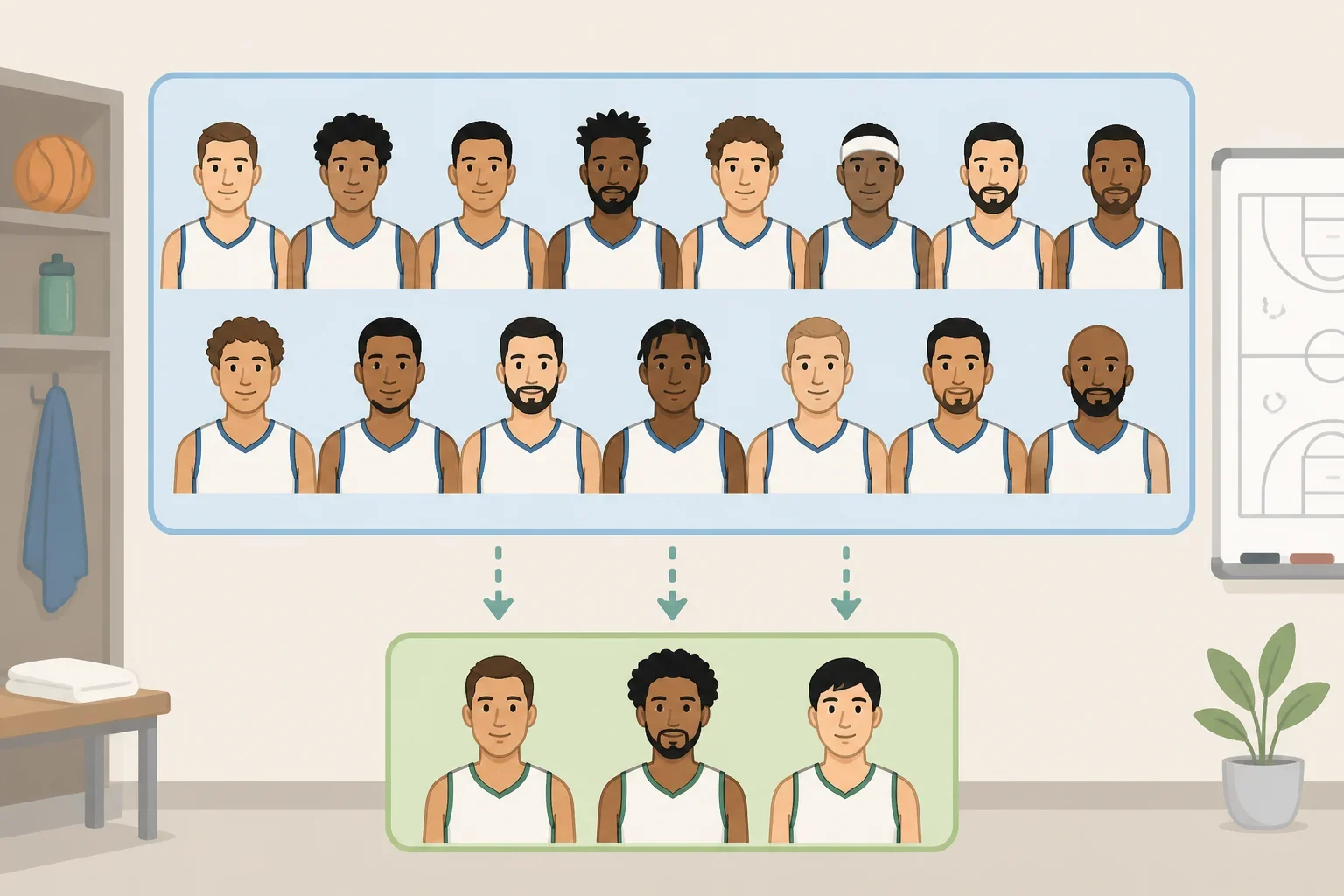
Each NBA team can carry up to three two-way players on top of its 15-man standard roster, according to the league's 2024-25 CBA 101 guide. Across the league, that adds up to 540 regular-season roster spots: 450 standard contract slots and 90 two-way slots, per Spotrac reporting from two years ago.
A two-way deal runs for one or two seasons and can't carry an option year, per the NBA's CBA 101 guide.
Eligibility has a service-time ceiling most fans never hear about. A player generally can't sign a two-way contract if he has, or could reach, four or more years of NBA service at any point during that deal, per the same CBA guide. One narrow exception applies: a player with exactly four years of service can still sign a one-year two-way deal if he once spent a full NBA season on a roster without appearing in a single regular-season, play-in, or playoff game.
Pay is set at half of the NBA's zero-service minimum salary. The NBA's 2024-25 CBA guide listed that amount at $578,577; the figure moves with each season's salary numbers, so a two-way signing today would use the current zero-service minimum, not the 2024-25 one. Either way, two-way pay works out to half of that minimum, prorated for players signed partway through the season.
Roster status shifts depending on what a player is doing day to day. A two-way player sits on his team's Active or Inactive List only while he's performing services for the NBA club, and on the Two-Way List the rest of the time, according to the CBA Guide, from last year.
What is the NBA two-way contract 50-game limit?
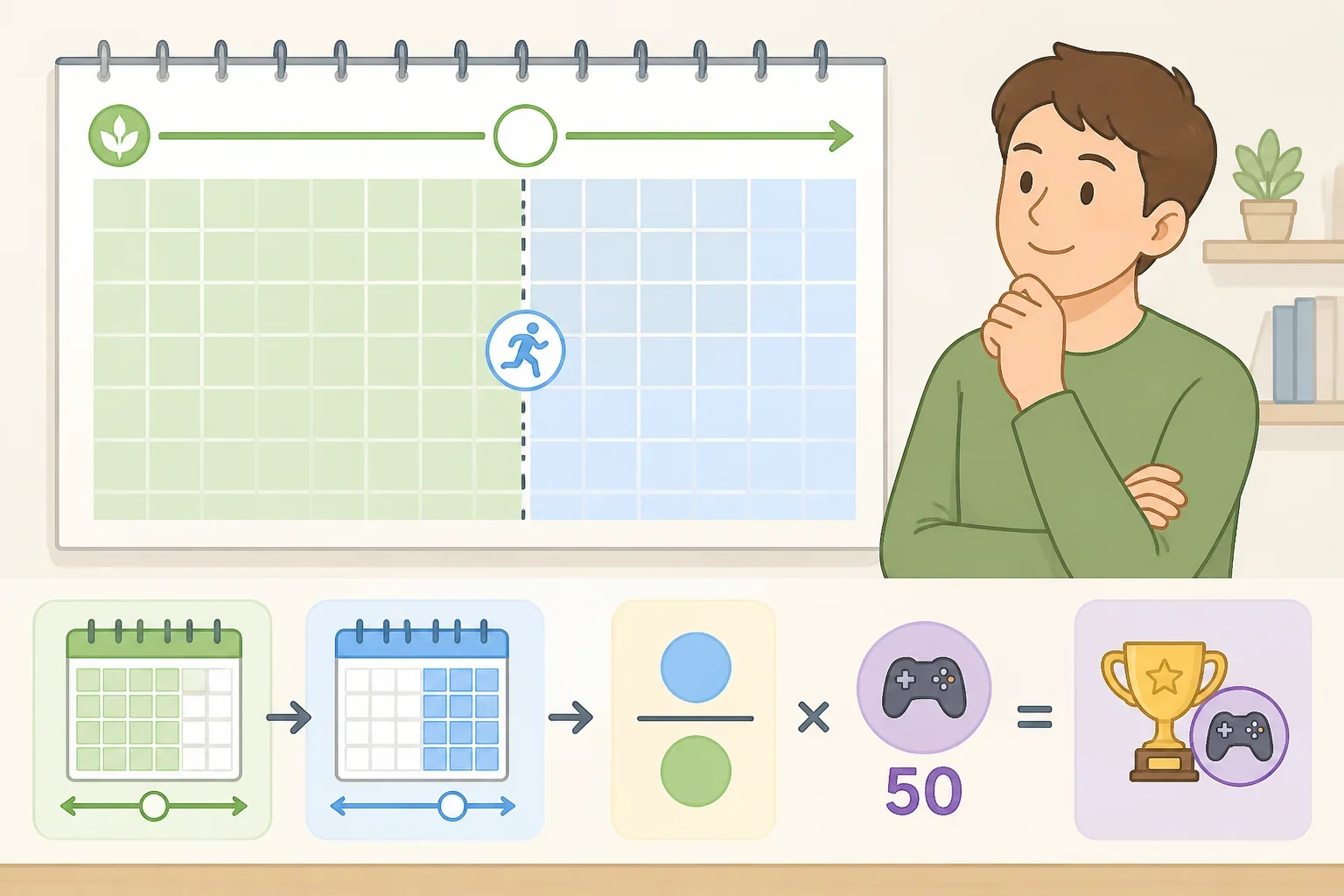
A player signed to a two-way contract before the season starts can be active for his NBA team in no more than 50 regular-season games, per the league's CBA 101 guide. Sign after opening night, and that number shrinks based on days remaining in the schedule, according to a Hoops Rumors breakdown from 11 months ago.
The Jahmai Mashack signing shows the math in practice. Mashack signed a two-way deal with the Memphis Grizzlies on Nov. 16, 2025, the 27th day of the 174-day regular season, leaving 148 days on the calendar. Dividing 148 by 174 and multiplying by 50 comes out to roughly 42.53, which gets rounded to the nearest whole number, producing a 43-game limit, per Hoops Rumors.
Teams also face a cutoff for signing these deals. For the 2025-26 season, that date was March 4, 2026, the point in the formula where a full prorated allotment shrinks to just 11 games, according to Hoops Rumors reporting from 11 months ago. The deadline is tied to days remaining in the schedule, so the exact date should be checked against that season's own calendar rather than assumed to land on the same day every year.
Hitting the active-game ceiling doesn't end a two-way player's season. He can keep suiting up for the G League affiliate, since those games don't count against the NBA limit. But converting him to a standard contract is the only route to more NBA active-list games and postseason eligibility, per the NBA's CBA 101 guide.
Can two-way players play in the G League? The team-wide "under-15" cap
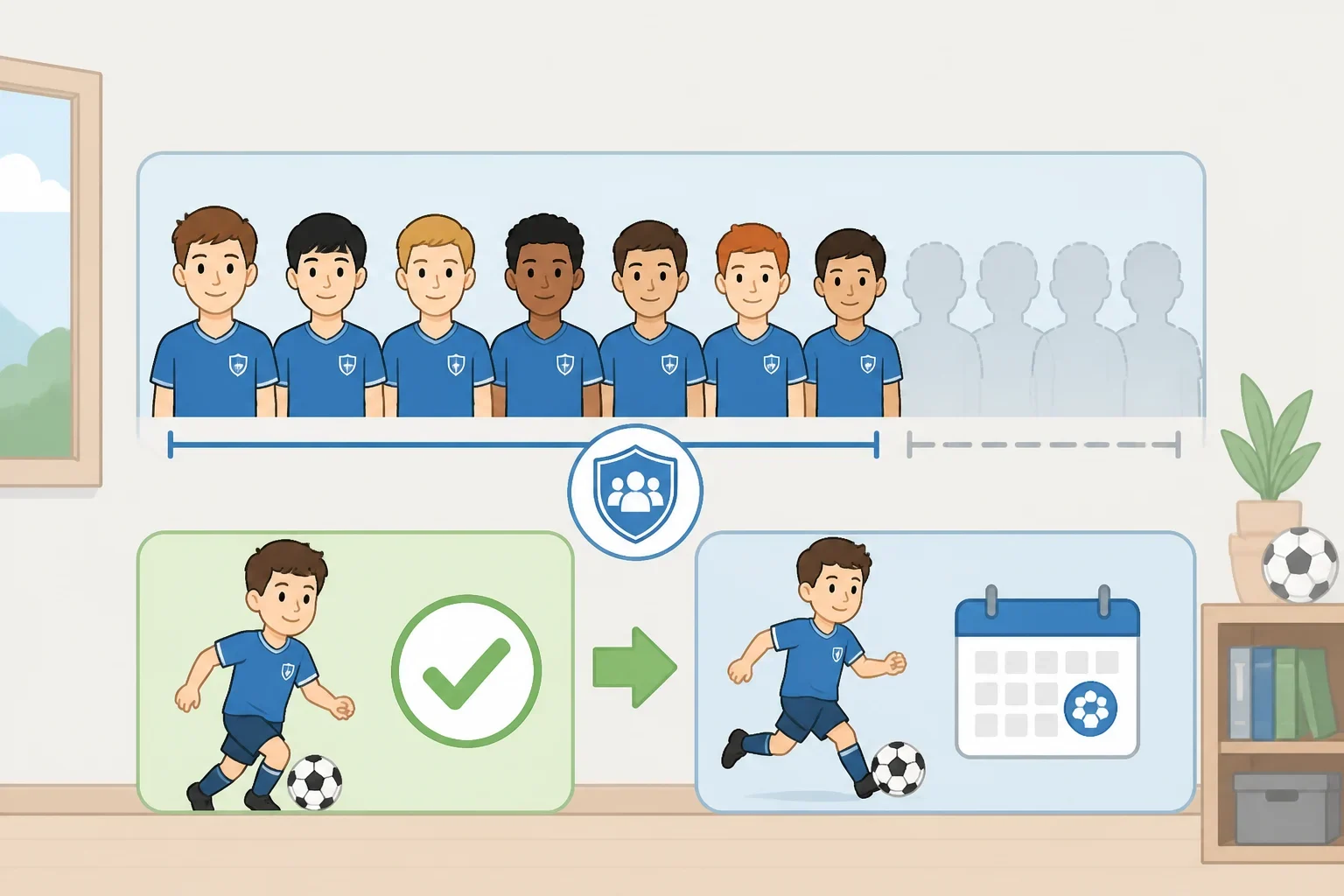
Two-way players are built for that back-and-forth movement between NBA and G League rosters. Once a two-way player's NBA Active List games run out, further game action for him is expected to come in the G League, according to a Miami Herald report from last year.
A separate, less familiar rule limits how much a short-handed team can lean on that arrangement. Any regular-season game in which a club has fewer than 15 players on standard contracts counts as an "Under-Fifteen Game," and no team may have its two-way players active for more than 90 such games in a season, per the NBA's CBA 101 guide.
Hoops Rumors put a number to the risk: a team carrying just 14 standard players that uses all three of its two-way players in each of its first 30 games would already hit the 90-game ceiling, losing access to its two-way roster spots until it signs a 15th man, according to that Hoops Rumors analysis. That's the tradeoff behind the strategy the analysis described: skipping the 15th roster spot to save money can cost real flexibility once the under-15 cap kicks in.
Postseason rules add another wrinkle. Two-way players can travel and practice with their team during the playoffs, but they can't appear on a postseason roster unless they're signed or converted to a standard contract before the start of the team's last regular-season game, per the NBA's CBA 101 guide.
How does a two-way player earn a standard NBA contract?
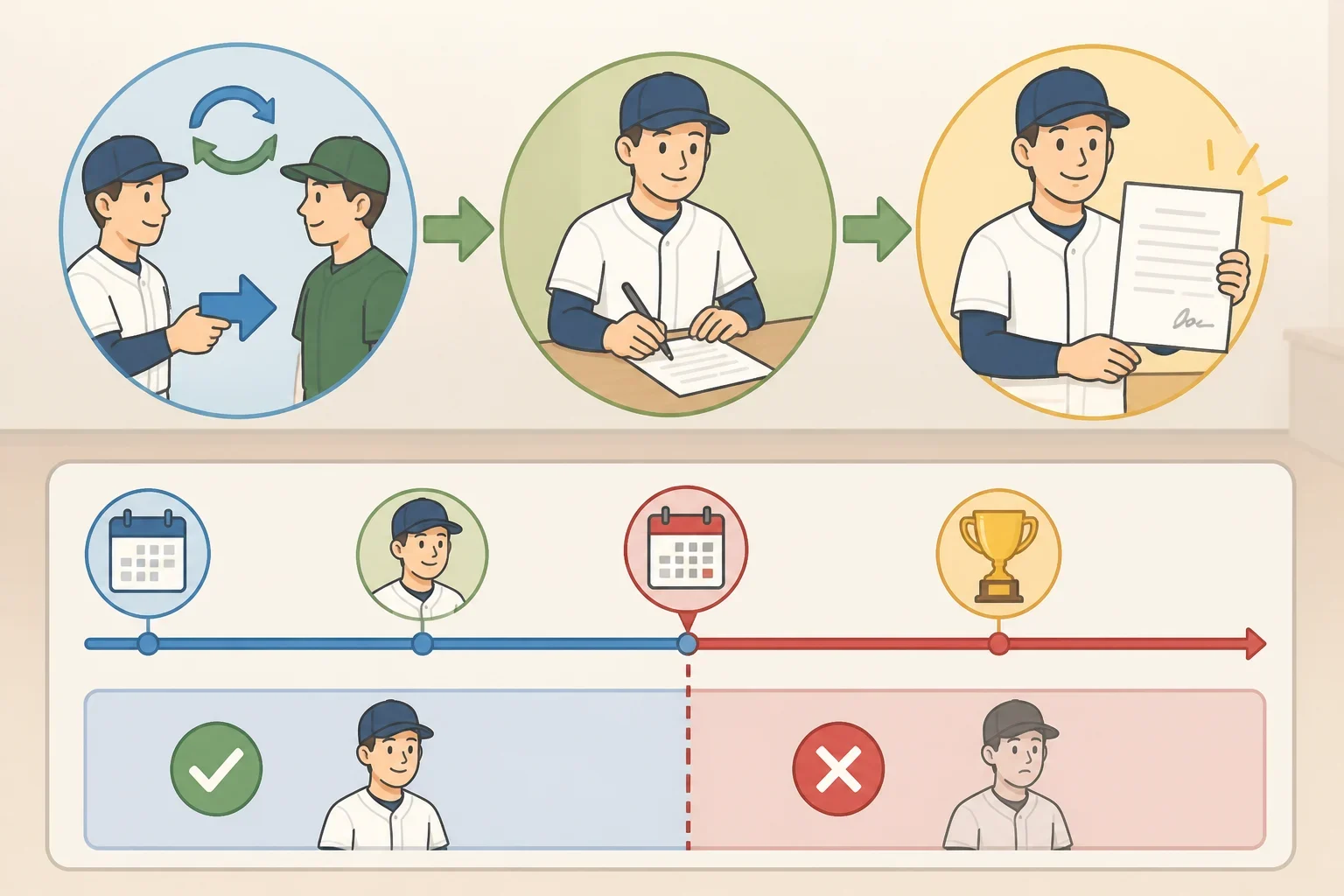
An NBA team holds exclusive rights to sign or convert its own two-way player to a standard contract, at the same contract length and his applicable NBA minimum salary. Doing so immediately voids the two-way deal, according to the league's CBA 101 guide.
Service time isn't the only eligibility limit teams run into. A team can't keep the same player on two-way deals across more than three salary-cap years, a rule that sidelined Miami Heat guard Dru Smith in 2025. Smith had fewer than four years of NBA service, which normally keeps a player two-way eligible with any team, but he'd already spent parts of three separate cap years on two-way deals with Miami specifically, making him ineligible to sign another two-way contract with that franchise, the Miami Herald reported last year.
The system can also pay off for a player who sticks it out. Scotty Pippen Jr. spent two seasons on two-way contracts before signing a four-year deal with the Memphis Grizzlies worth more than $4 million in guaranteed money, according to Spotrac reporting from two years ago.
Smith's situation shows the cap math teams weigh before converting a productive two-way player. Signing him to a standard minimum contract would have pushed the Heat roughly $3.6 million over the luxury-tax line, a threshold Miami was trying to stay under to avoid the repeater tax, which applies to a team that's above the tax line in four straight seasons or four times within a five-season span, per the Miami Herald. Miami had to weigh that cap hit even though Smith had already become a reliable part of the rotation.
Checking a two-way signing: the order that matters
Four separate rules interact whenever a team signs, promotes, or lets go of a two-way player. Working through them in order explains most roster decisions that look confusing from the outside.
- Individual active-game allotment: How many games has the player already been active for, and does his contract date put him on pace to hit his prorated 50-game ceiling, per Hoops Rumors?
- Team-wide under-15 games: How many standard-contract players does the club currently carry, and how many games this season have already counted toward its 90-game under-15 cap, per the NBA's CBA 101 guide?
- Salary-cap-year eligibility: How many separate cap years has the player already spent on a two-way deal with that specific team, since three is the limit, as the Dru Smith case showed?
- Conversion timing: Has the team signed or converted the player to a standard contract before the start of its final regular-season game, the requirement for postseason eligibility, per the CBA guide?
Running through those four checks, in that order, usually explains why one productive two-way player gets promoted right away while another stays on the Two-Way List all season.