
NYC Marathon 2026 Spectator Guide: Route Stops & Access
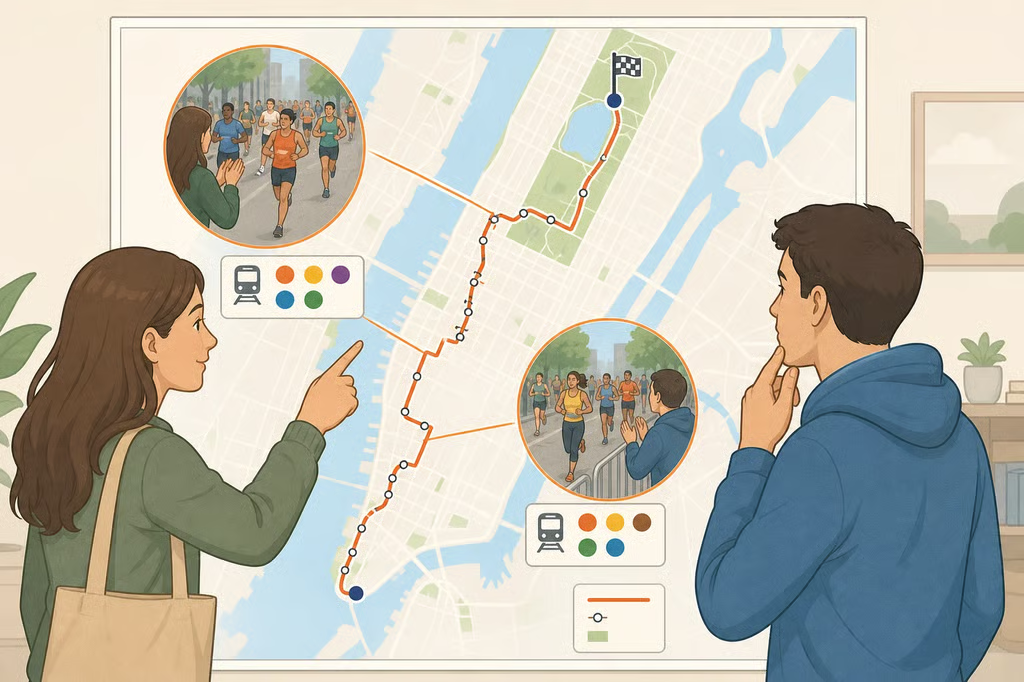
The 2026 TCS New York City Marathon runs Sunday, November 1, with an 8 a.m. start, and its 26.2-mile course cuts through all five boroughs before finishing at 67th Street on West Drive in Central Park, according to Time Out. The route runs from Staten Island across the Verrazzano-Narrows Bridge into Brooklyn, through Queens, into Manhattan, briefly up into the Bronx, and back down into Central Park for the finish, Time Out reports.
For most spectators, the main planning choice comes down to this: watch a runner at two points along the route, or commit to the Central Park finish area instead. This NYC Marathon 2026 spectator guide lays out what to confirm before choosing a spot, how to build a two-stop itinerary using the subway lines near each mile marker, what's actually confirmed about tracking a runner in 2026, and what the finish area requires that a regular street corner doesn't.
What to check before you pick a spectator plan
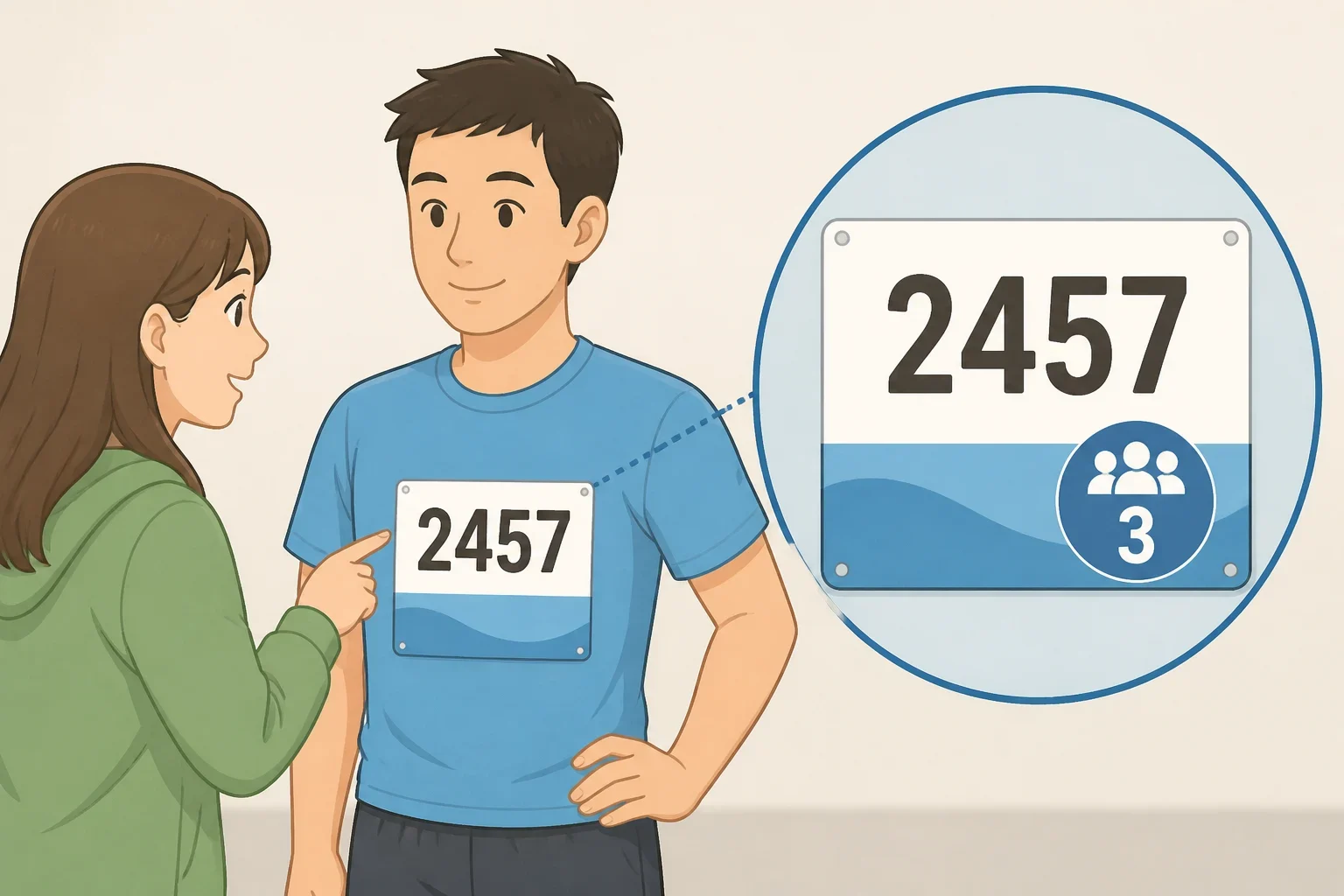
Any spectator plan works best with two pieces of information: the runner's bib number and start wave, and a realistic sense of their pace. Without both, timing a stop to a specific mile marker along the 26.2-mile course is largely a guess.
Ask the runner to share their wave and corral assignment directly, since that detail comes from their own race registration.
For a sense of how spread out wave starts can be, a 2022 NYPD advisory listed separate times for wheelchair athletes, professional runners, and mass-participation waves numbered 1 through 5, spaced roughly 35 minutes apart between 9:10 a.m. and 11:30 a.m., according to NYC.gov/NYPD. That's about four years old and shouldn't be read as a 2026 schedule, but it shows why two runners chasing the same finish line can pass a given mile marker at noticeably different times.
As an illustration: a runner whose wave starts at 9:45 a.m. reaches mile 8 at a time that depends entirely on pace and whatever congestion builds up on the course that morning. The sources reviewed for this guide do not include a confirmed 2026 wave schedule or projected mile splits, so lean on the runner's own pace estimate for that math rather than any published start time.
Transit is the other variable. NYRR's media guide for the 2025 race advised spectators to check mta.info/Weekender for race-day subway service changes, according to NYRR. That guidance applies to last year's race, not 2026, so treat it as a preview and recheck the Weekender site once NYRR posts its 2026 race-week materials.
Two course stops or the Central Park finish
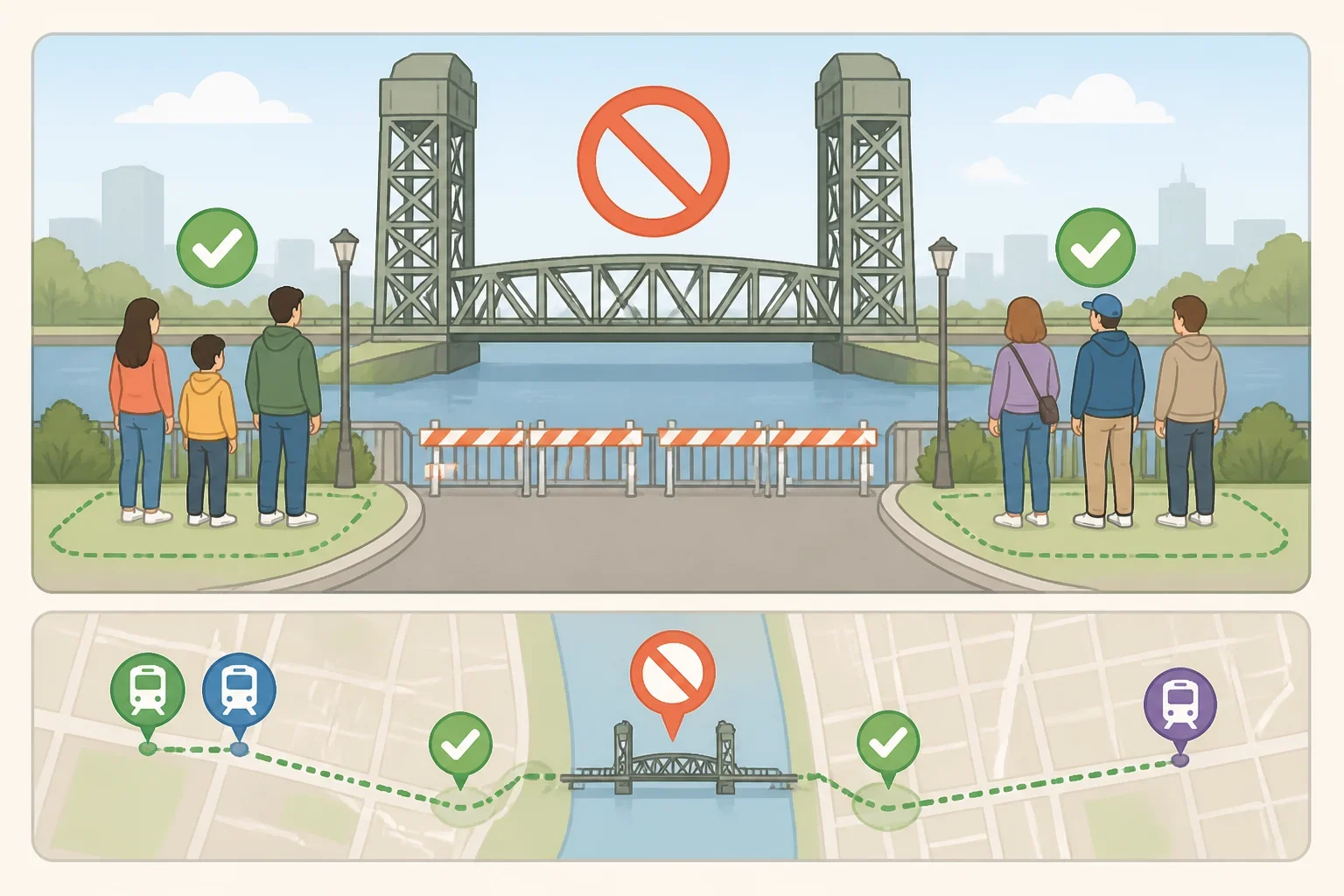
Spectators can realistically do one of two things on race day: watch from two points along the course, or commit to the Central Park finish area. The finish runs on separate ticketing, capacity, and screening rules that leave little room for a late-course detour beforehand, according to Time Out.
The Pulaski Bridge is a good example of how a course constraint can shape that choice. The bridge connecting Brooklyn to Queens sits at mile 13.1, right around the halfway point, and it's closed to spectators, Time Out notes. Anyone hoping to mark the halfway split needs to head to the Queens side near the 7, G, or E train instead.
Getting between two course stops generally means subway travel, possibly with a transfer depending on which stops are picked. Check a current MTA trip planner for the specific route between two stops closer to race day, since transfer requirements vary by combination and aren't spelled out in the sources behind this guide.
Inside Central Park, the finish at 67th Street on West Drive runs on tiered access, Time Out notes. Grandstand seating requires a ticket purchased online, with entry at West 62nd Street and Broadway. The standing spectator area runs from Columbus Circle to the south end of the grandstands, roughly 500 feet before the finish line, and NYPD, NYRR, and NYC Parks may limit access there based on capacity. No chairs are allowed.
There's no spectator access north of the grandstands. Entry is limited to Broadway at West 61st or West 62nd Street, or an east-side Central Park path near Heckscher Fields, and every entrance requires screening, per Time Out.
Given that ticketing, those capacity limits, and the screening requirement, a one-destination plan, either the two course stops or the Central Park finish, is the safer planning choice rather than trying to stitch both together on the same morning.
Building a two-stop NYC Marathon 2026 route itinerary
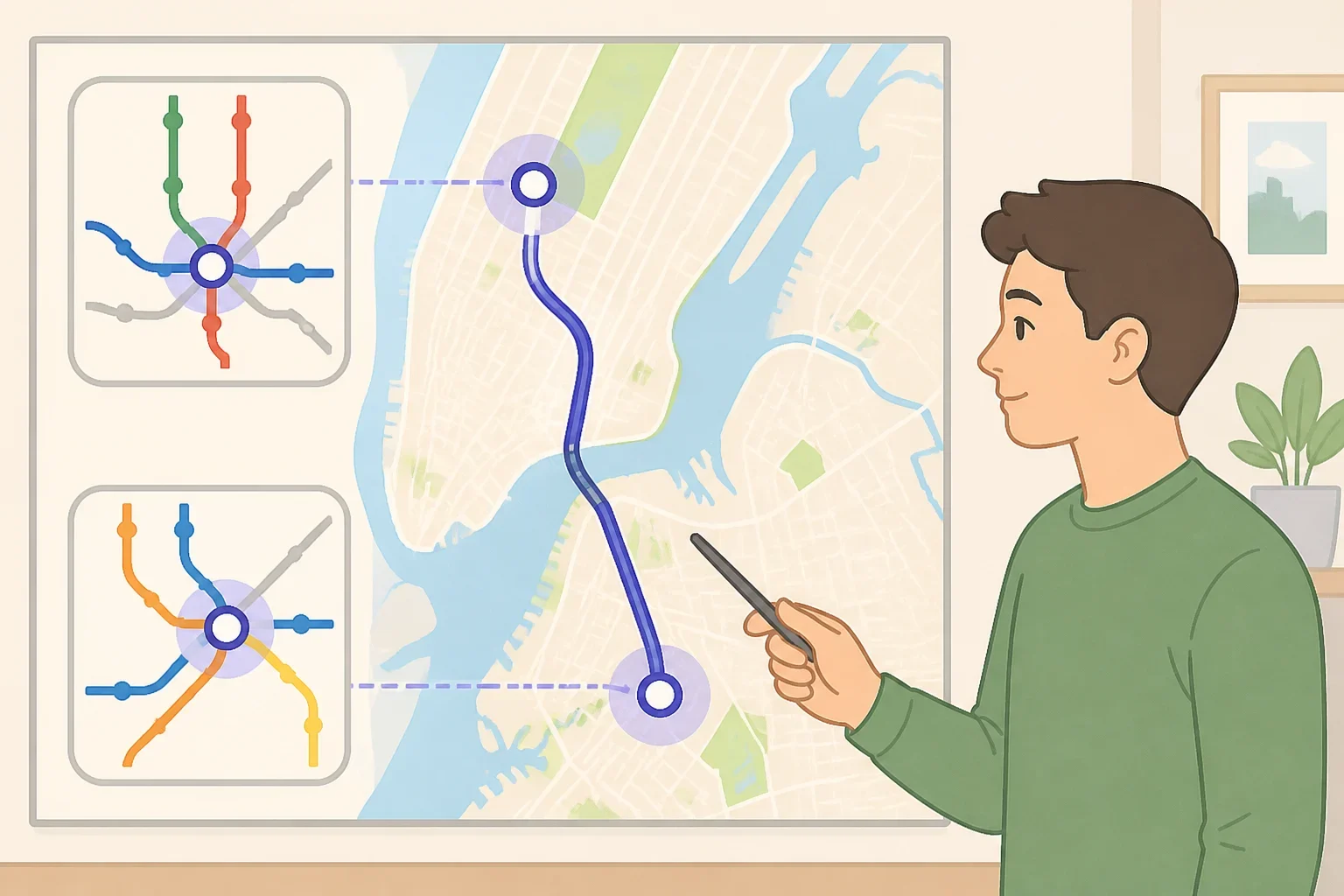
The pairings below are planning starting points built from the mile markers and subway lines Time Out lists for the course. They're this guide's suggestions, not an official NYRR-recommended route.
Early energy plus late energy: Fourth Avenue and Flatbush Avenue in Brooklyn sit at mile 8, served by the B, D, N, Q, R, 2, 3, 4, and 5 trains. Pair that stop with First Avenue in Manhattan at miles 16 to 18, reachable by the N, Q, R, 4, 5, 6, or F.
Neighborhood atmosphere plus late-race support: Williamsburg and Greenpoint, miles 10 to 13, are served by the G, L, M, or J. Pair that stop with Fifth Avenue between East 90th and East 105th streets, miles 23 to 24, a stretch just before runners enter Central Park, reachable by the Q, 4, 5, or 6.
One Manhattan stop plus the final corner: First Avenue, miles 16 to 18, pairs with Columbus Circle at mile 26, where runners make their last turn before the finish, served by the A, C, D, or 1.
Treat these subway lines as nearby service options based on Time Out's reporting, not a guaranteed race-day route; check current MTA service alerts before heading out on November 1. Whether a pairing is realistic also comes down to the runner's wave start and pace: an earlier wave moving faster reaches each mile marker sooner, which shrinks the travel window between stops. Build the schedule around the runner's own numbers and confirm transit timing again closer to race day.
NYC Marathon 2026 runner tracking: what is confirmed
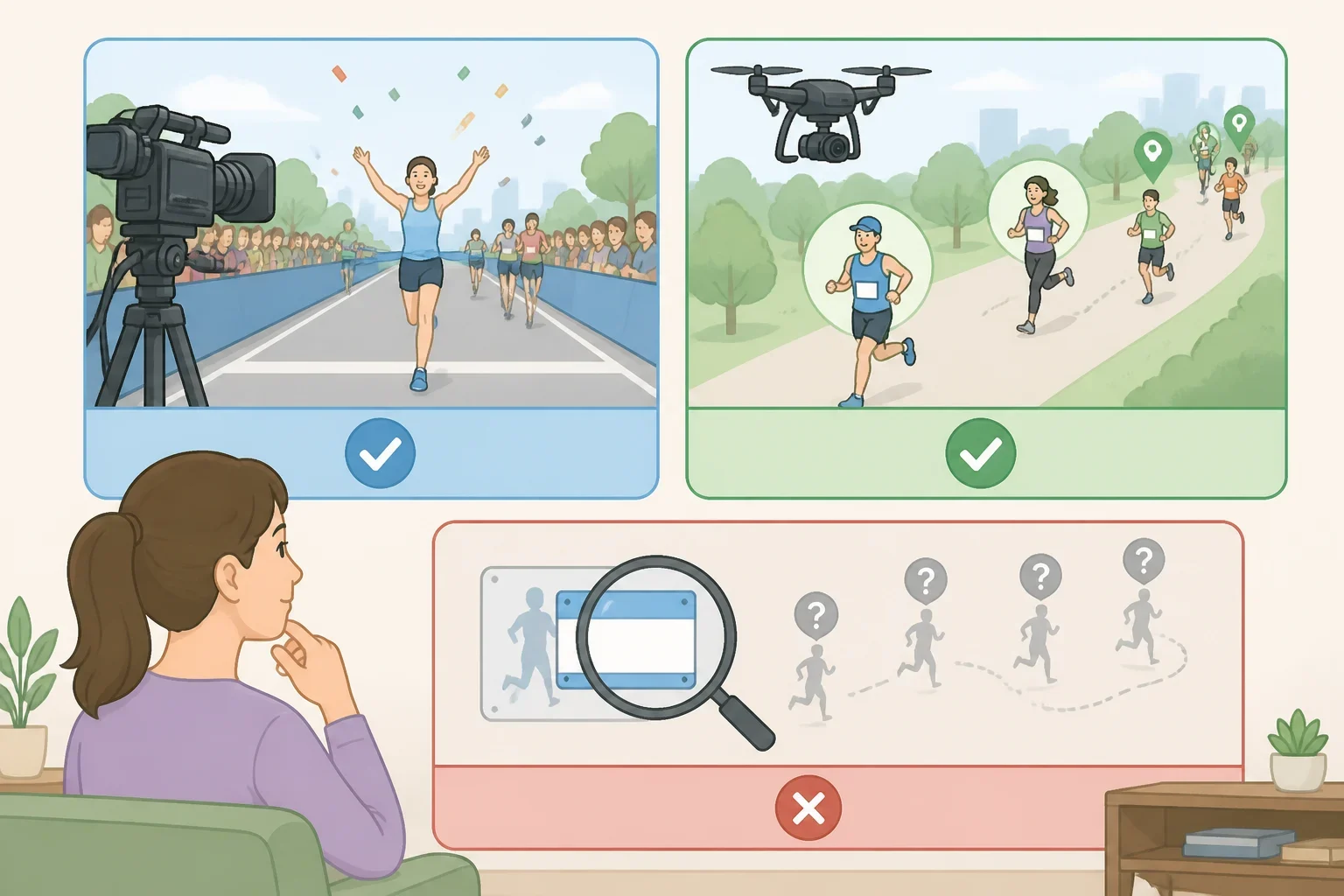
NYRR's media guide for the 2025 race said a web-based tracking system would cover the professional races, according to NYRR. The sources reviewed for this guide don't confirm whether a public tracker with bib lookup will be available for recreational runners in 2026, so check NYRR's official race-week site closer to November 1 before building a plan around an app that may not exist yet.
Broadcast coverage is a separate thing and isn't a reliable way to locate a specific recreational runner. WABC-TV, Channel 7, is set to carry race coverage from 8 to 11:30 a.m., with pre-race coverage starting at 7 a.m. and continuing until 1 p.m., while ESPN2 and ESPN.com plan coverage from 8 to 11:30 a.m., according to Time Out. Confirm exact times closer to race day since broadcast schedules can shift.
ABC7NY.com also plans to stream a dedicated finish-line camera from 10:30 a.m. to 6 p.m., Time Out reports. That's a way to watch the finish line itself, not a tool for tracking an individual bib number. Until NYRR confirms a public tracker for 2026, wave start time and pace estimate remain the most dependable inputs for timing a two-stop plan.
What to verify before race day
A workable plan starts with information nobody else can hand a spectator: the runner's assigned wave and their expected pace. Before locking in a route or heading to Central Park, confirm:
- The runner's wave assignment and corral, directly from them.
- NYRR's official 2026 race-week information for any confirmed public tracker; the 2025 media guide described tracking for the professional races only.
- mta.info/Weekender shortly before November 1 for subway service changes on race day.
- NYRR's current spectator-access rules for Central Park if the finish, rather than a course stop, is the plan.
Confirm those four things, then choose between a two-stop course plan and the Central Park finish. Check NYRR's official 2026 route and spectator pages against this guide before heading out the door, since wave times, tracking tools, and access rules can all shift once the organization publishes final details.