

- Gianni Infantino FIFA Scandal: World Cup Investment Plan Divides
- What the FIFA World Cup private investors plan proposes
- FIFA staff anger at Infantino over the plan
- Confederations join the FIFA World Cup sell-off controversy
- Why a UEFA boycott threatens fall tournaments
- What this means for Gianni Infantino's 2027 re-election bid
Gianni Infantino FIFA Scandal: World Cup Investment Plan Divides
The Gianni Infantino FIFA scandal centers on a $20 billion plan to bring outside investors into FIFA's commercial operations, a proposal FIFA says remains open for discussion even after two of its own executives spoke out against it. Secretary general Mattias Grafström told staff in an email, seen by AP 1 week ago, that the fallout from the plan had produced "turmoil which is difficult to comprehend and accept."
Senior adviser Carlos Cordeiro resigned in protest around the same time, and chief operating officer Kevin Lamour said staff had been "deceived" by the plan's secrecy, according to ESPN 10 days ago.
Those objections have not turned into a coordinated push to remove Infantino. FIFA disputes that the plan is even finished: BBC Sport reported 11 days ago that FIFA had set September 19, 2026 as the deadline for member federations to respond, while ESPN reported 10 days ago that the proposal had been "scrapped" the previous Friday after what it called "disastrous miscalculations." That contradiction has not been resolved in the reporting available since.
What is confirmed is narrower than either version suggests. Wenger, Grafström, Lamour and Cordeiro have all criticized how the plan was handled, UEFA and Concacaf have formally rejected it, and the English FA has withdrawn its backing for Infantino specifically over this proposal. Whether any of that threatens his expected bid for a fourth term in 2027, or FIFA's scheduled fall tournaments, is a separate and still-open question.
What the FIFA World Cup private investors plan proposes
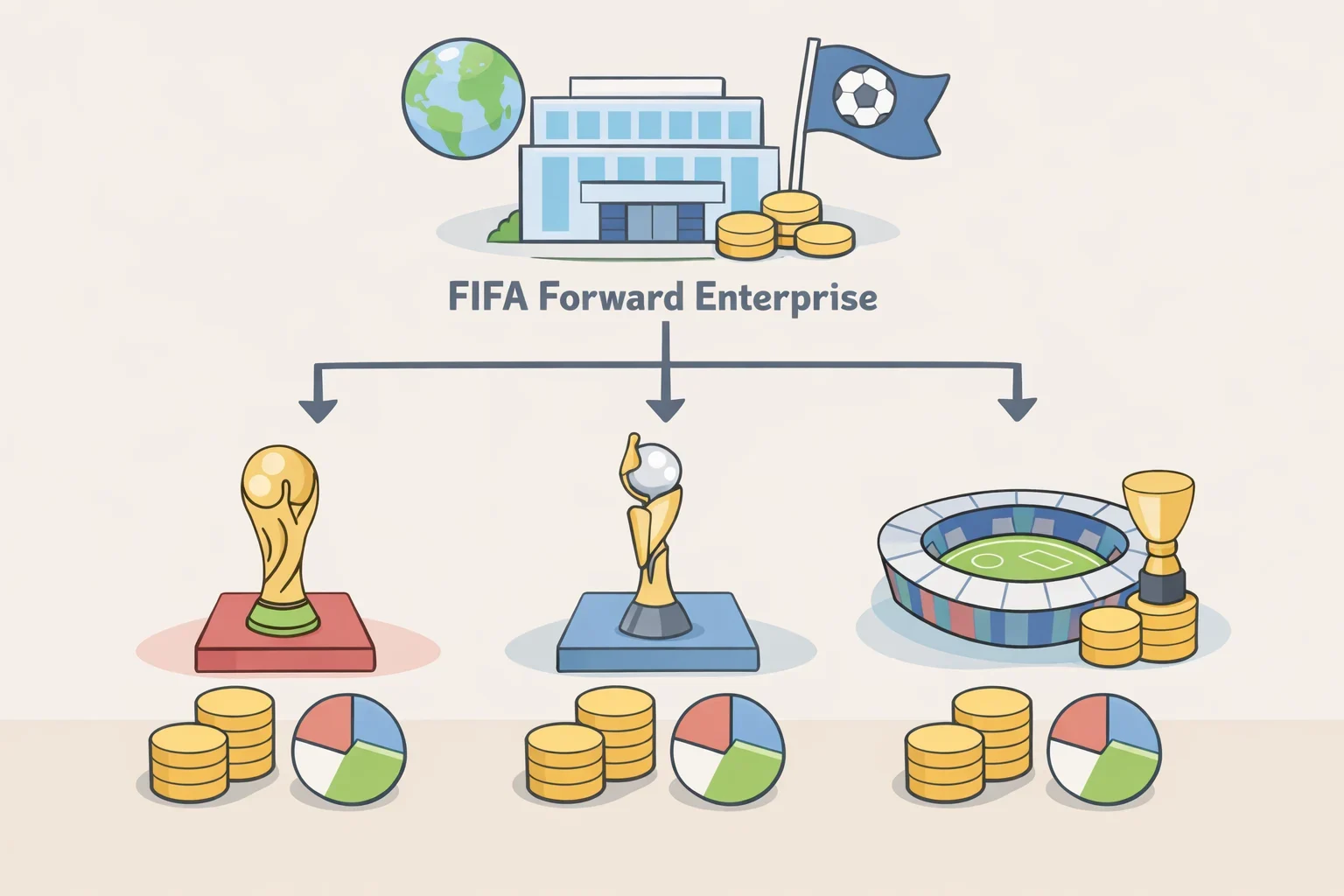
FIFA's plan would create a new commercial subsidiary, FIFA Forward Enterprise, structured to "invite third parties to make minority, non-controlling investments" in events including the World Cup, according to FIFA's own description reported by BBC Sport 11 days ago.
Reporting on the proposal put its valuation at $20 billion, with terms that included an immediate $20 million payment to each of FIFA's 211 member associations and roughly $66 million more before 2037, contingent on approval from a majority of federations, according to ESPN 10 days ago.
BBC Sport identified Thrive Eternal as the group FIFA expects to lead the proposed investors if the plan wins approval, and separately described Thrive as the venture-capital firm founded by Joshua Kushner, brother of Jared Kushner, per BBC Sport 11 days ago. ESPN's reporting described the plan as backed by an investment company fronted by Joshua Kushner, according to ESPN 10 days ago.
FIFA has not conceded that the plan amounts to a sale. The organization said "nobody is selling football" and blamed "incorrect media reports" for distorting its consultation with member federations, according to BBC Sport 11 days ago.
FIFA staff anger at Infantino over the plan

Two senior FIFA figures spoke out directly against how the plan was handled. Arsène Wenger, described by AP as a senior FIFA executive, said he had no knowledge of the proposal before it became public and called withdrawing it "absolutely necessary," according to AP 1 week ago. Grafström described the preceding week in his staff email as a "sad and reproachable series of events," per the same AP report.
Lamour called the plan "the project of one person" and said "the time has now come for football political leaders to ask themselves the right questions and make the right decisions," according to BBC Sport 5 days ago. Lamour declined to comment further, and FIFA had been approached for comment, per that report.
Cordeiro, a senior adviser to FIFA's leadership, resigned in protest, calling the deal "a bad deal for football" that would "mortgage football's future," per BBC Sport 11 days ago.
A 25-page pitch document from JP Morgan, prepared to support the plan, projected roughly €24 million per federation per four-year cycle by 2035-39 and described FIFA as "under-monetised." The document made no mention of women's football anywhere in it, according to BBC Sport 11 days ago. That is a gap in the paperwork; none of the executives quoted above named it as their reason for objecting.
Confederations join the FIFA World Cup sell-off controversy
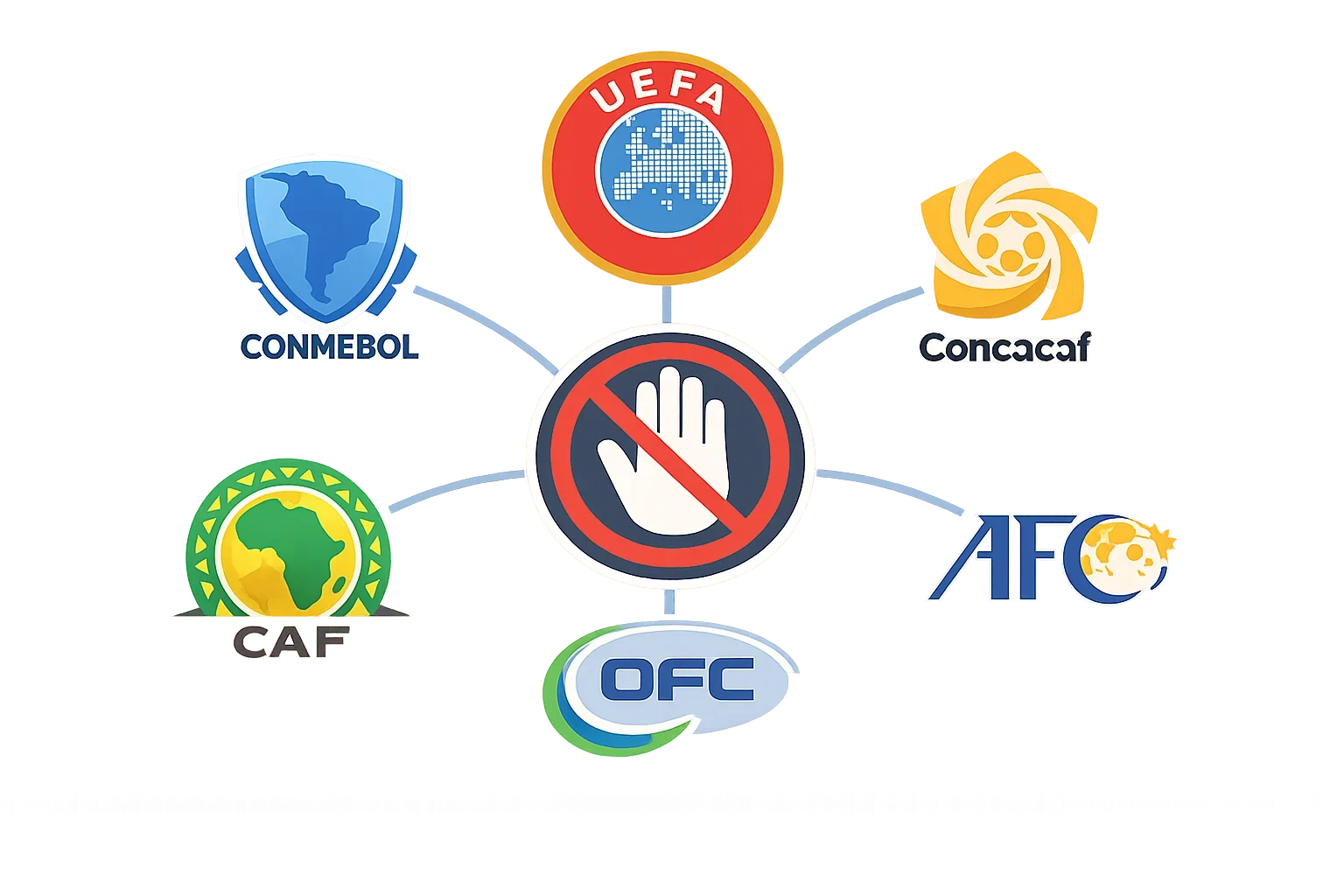
UEFA's 55 member associations voted to boycott FIFA competitions unless the plan was dropped, according to BBC Sport 11 days ago. Five days ago, UEFA said FIFA's defense of Infantino "changes nothing" about that position, per BBC Sport.
UEFA said its conditions for ending the boycott were that "the proposals to sell off the major competitions had to be withdrawn" and that "assurances have to be made that such attempts to disfigure the game in this way will never be made again." UEFA added that "these conditions have not been met," according to BBC Sport 5 days ago.
Concacaf said its 41 member associations had separately rejected the plan, according to BBC Sport 11 days ago. ESPN's own count put UEFA, Concacaf and the Asian Football Confederation together at 143 member associations opposed, according to ESPN 10 days ago.
The English FA confirmed it sent a letter withdrawing its support for Infantino, in what BBC Sport described as a reaction to the plan "to sell off stakes in the World Cup to private investors," per BBC Sport 5 days ago.
Support for Infantino personally has not collapsed in the same way. An African federation president told BBC Sport 5 days ago that he and "a good number" of African member associations would work to secure Infantino's re-election in 2027, calling him someone who is "here to stay," according to BBC Sport. That single account does not describe every African federation's position, but it shows that rejecting the investment plan and withdrawing political support for Infantino are not the same decision for every member.
Why a UEFA boycott threatens fall tournaments
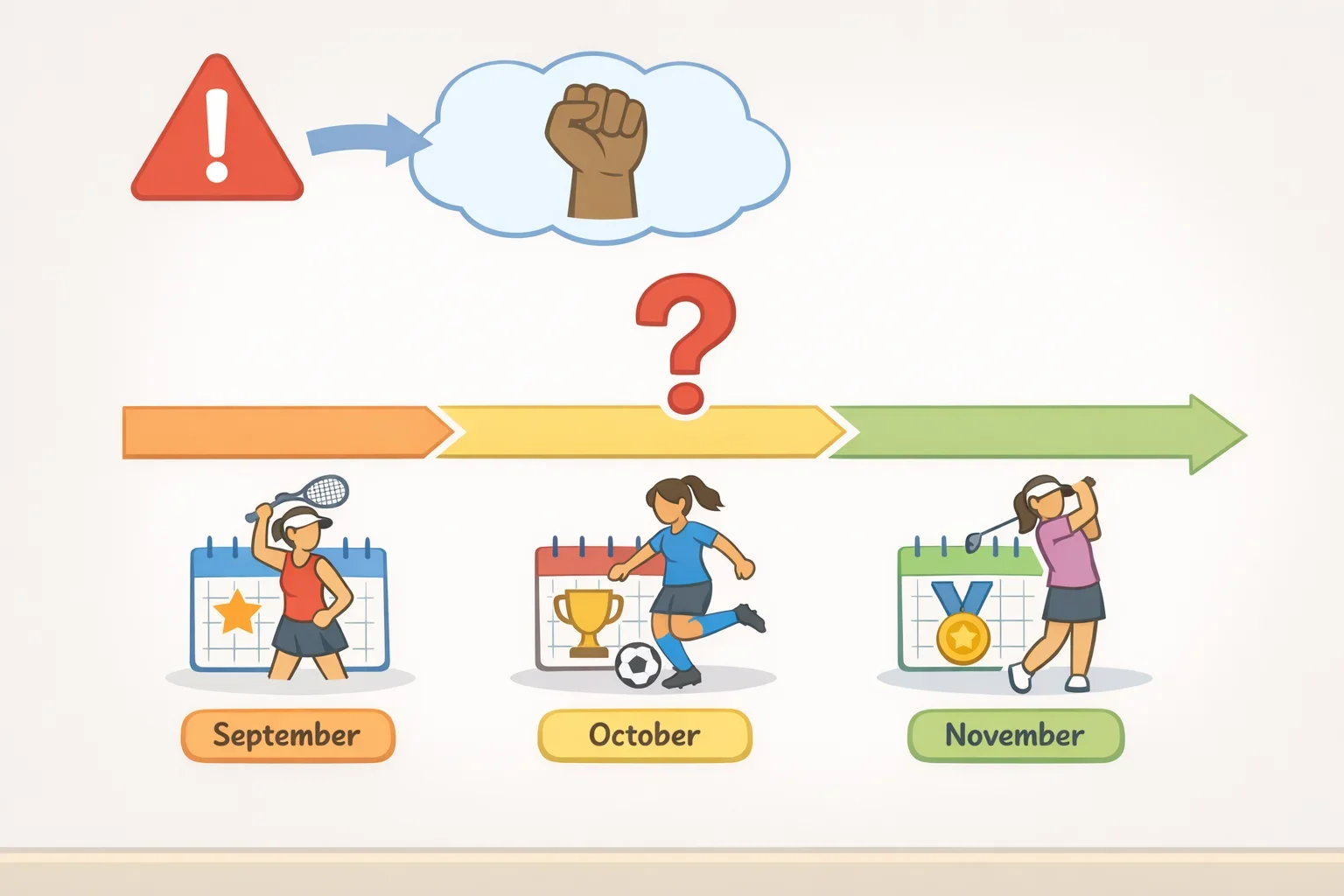
The FIFA Under-20 Women's World Cup opens September 5 in Poland. The Polish Football Association said, as of 11 days ago, that it had received no notice of teams withdrawing and that preparations were continuing as planned, according to BBC Sport.
October carries more exposure. Women's World Cup qualifiers involving England, Northern Ireland, Scotland and Wales, plus the Under-17 Women's World Cup in Morocco, are scheduled for that month and could be affected if UEFA's boycott is carried out, per BBC Sport 11 days ago. UEFA has not specified which competitions its boycott would cover.
Former England international Anita Asante called women's tournaments the likely "first casualties" of a prolonged standoff, telling BBC Sport 11 days ago that FIFA had not considered the implications of its decision. "If this isn't resolved by the time of England's qualifiers, then the impact could be huge," she said.
As of the most recent reporting available, published 5 days ago, no federation had issued a confirmed withdrawal from a scheduled tournament. A real escalation would look like a federation formally pulling out, FIFA issuing a scheduling or disciplinary response, or UEFA naming the specific competitions its boycott covers.
What this means for Gianni Infantino's 2027 re-election bid
Infantino is expected to seek a fourth term and would need 106 of a possible 211 votes at FIFA Congress, according to BBC Sport 5 days ago. The deadline to file a candidacy is November 18, 2026, ahead of a vote in Rabat, Morocco, on March 18, 2027, according to ESPN 10 days ago.
Removing him before that vote would require 43 member nations to trigger a no-confidence process, plus a credible rival candidate. No such candidate had emerged as of ESPN's reporting 10 days ago, which keeps that path largely theoretical for now.
The available reporting shows that opposition to the proposal has not yet produced a unified challenge to Infantino's candidacy. UEFA, Concacaf and the AFC rejecting this specific investment plan is confirmed; those same confederations turning against Infantino's re-election bid is not, and the African federation president's comments above are among the clearest evidence that the two positions remain separate for at least part of FIFA's membership.
ESPN's own analysis went further, describing Infantino as "fighting for survival" and writing that he is "losing allies and emboldening enemies at an alarming pace," according to ESPN 10 days ago. That is ESPN's characterization, not a settled fact, and it followed the same World Cup that AP described 11 days ago as a financial and sporting success, one that had put Infantino on track for what AP called an easy re-election "coronation." ESPN also cited earlier criticism of the 2034 Saudi Arabia hosting decision and the FIFA Peace Prize awarded to Donald Trump as part of the broader run of controversy surrounding Infantino this year.
FIFA's September 19 deadline for federations to respond to the plan had not been withdrawn as of the most recent reporting available. The Under-20 Women's World Cup opens September 5, October brings the qualifiers and the Under-17 tournament covered by UEFA's boycott threat, and the deadline to file a rival candidacy for FIFA president closes November 18, ahead of the March 18, 2027 vote in Rabat.