
- Jakob Ingebrigtsen European 5000m title comeback explained
- Jakob Ingebrigtsen returns from Achilles surgery: what he said about the buildup
- How the race unfolded
- What sports medicine says about running back from an Achilles injury
- What the Jakob Ingebrigtsen European 5000m title comeback establishes
- What comes next
Jakob Ingebrigtsen European 5000m title comeback explained
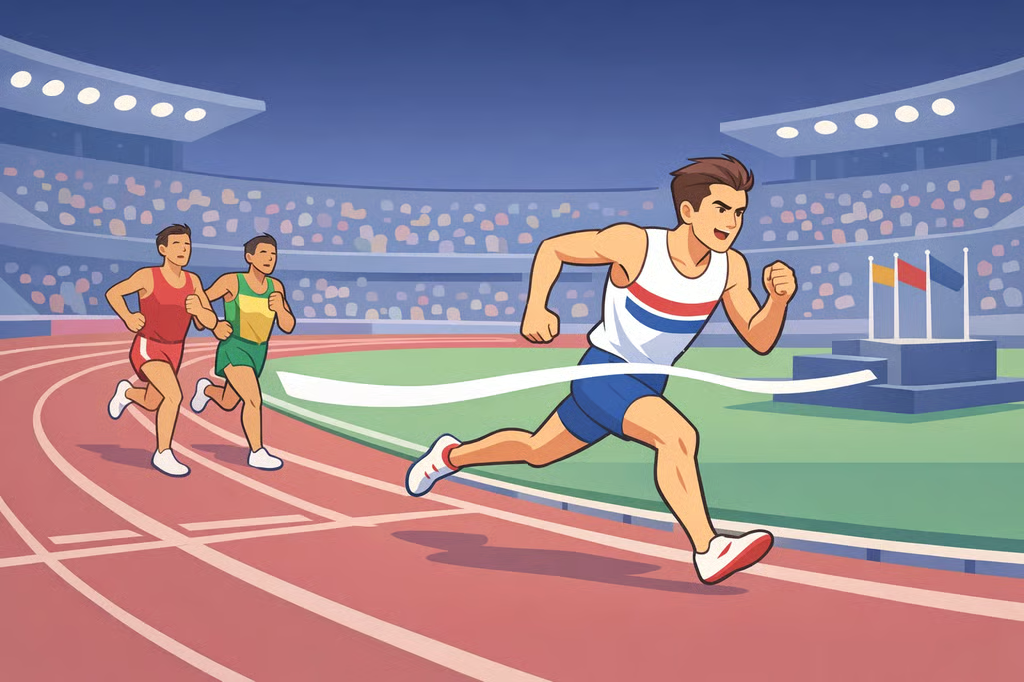
Jakob Ingebrigtsen completed his European 5000m title comeback in Birmingham on Monday, winning his fourth straight title in 13:15.29 with a 54.8-second final lap. It marked his first race in 11 months, following surgery on his left Achilles in February, according to LetsRun.
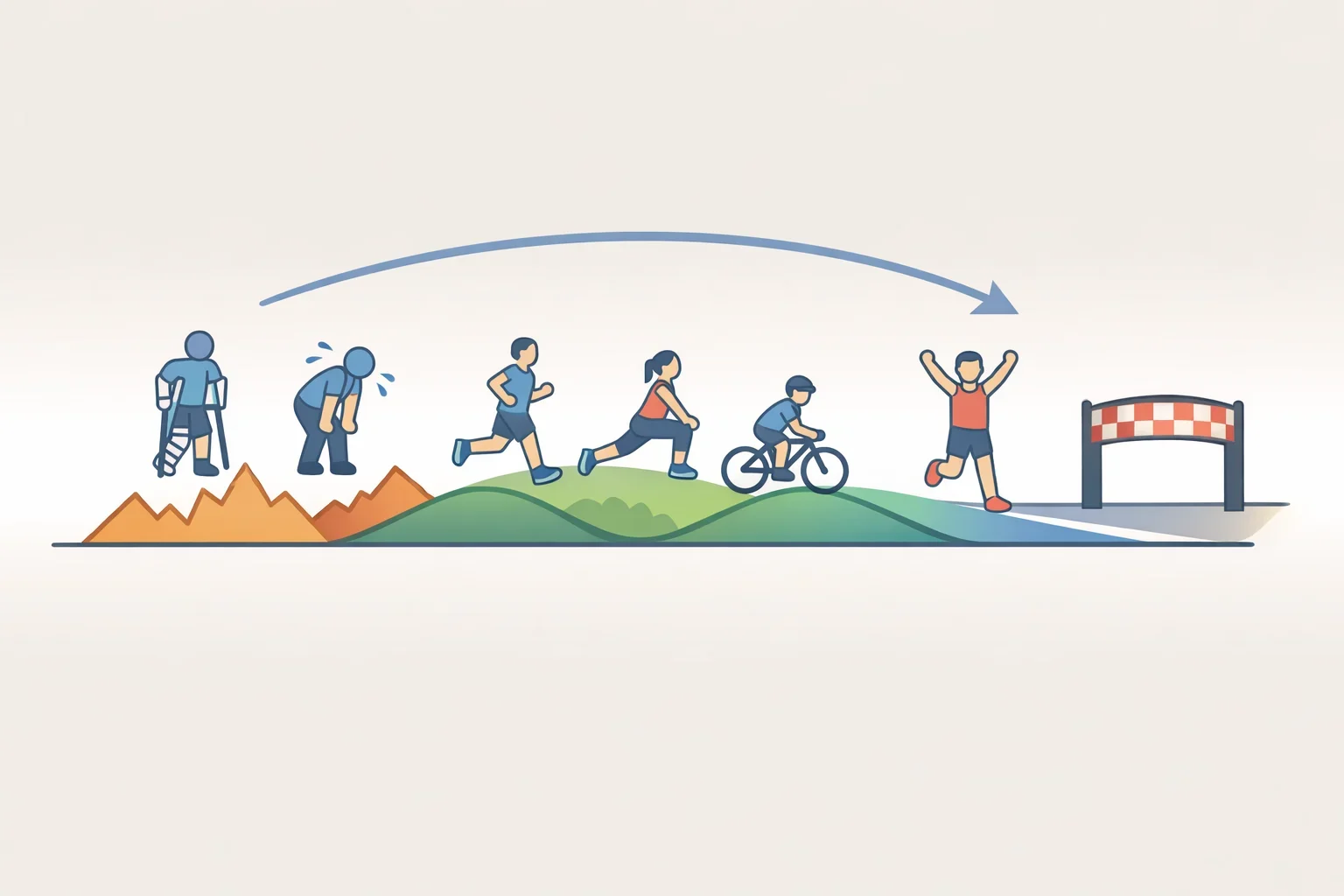
The procedure addressed scar tissue on the protective sheath around the tendon. Ingebrigtsen hadn't raced at all in 2026 before Monday, and the injury extended a rough stretch that began in 2025, when the Tokyo World Championships were his only outdoor race of the year, according to AP and World Athletics. He'd completed the 1500m and 5000m double at each of the previous three editions of the championships; this time he raced only the 5000m, per World Athletics.
This isn't a rehab blueprint. Ingebrigtsen's clearance criteria and rehab timeline haven't been made public, and a two-time Olympic champion with a full-time medical team doesn't offer a direct comparison for how most runners recover from Achilles pain. The sections below separate what his race and his own words reveal from what sports-medicine research actually says about returning to running after an Achilles injury.
Jakob Ingebrigtsen returns from Achilles surgery: what he said about the buildup
Ahead of the race, Ingebrigtsen told Norwegian media he felt "cheerful" to be back and "excited" to see what shape he was in, according to LetsRun. His post-race comments told a more complicated story.
"I've been just on the limit of what I think my body can handle. Everything in the past three weeks has been pretty smooth; everything before that has been not so smooth," he said, according to World Athletics.
He also described doubt rather than confidence heading into the final lap. "I doubted myself every day, and every minute leading up to the last lap," he told World Athletics. Afterward, his tone shifted. "Coming from the lowest of lows to be European champion again means the world to me. Not even I believed it could happen coming here," he told AP.
Ingebrigtsen didn't specify what made the earlier stretch difficult or how his medical team adjusted his training in response. The available reporting doesn't detail his rehab protocol, clearance criteria, or medical support, so this account describes one athlete's experience, not a timeline other runners recovering from Achilles issues should expect to match.
How the race unfolded
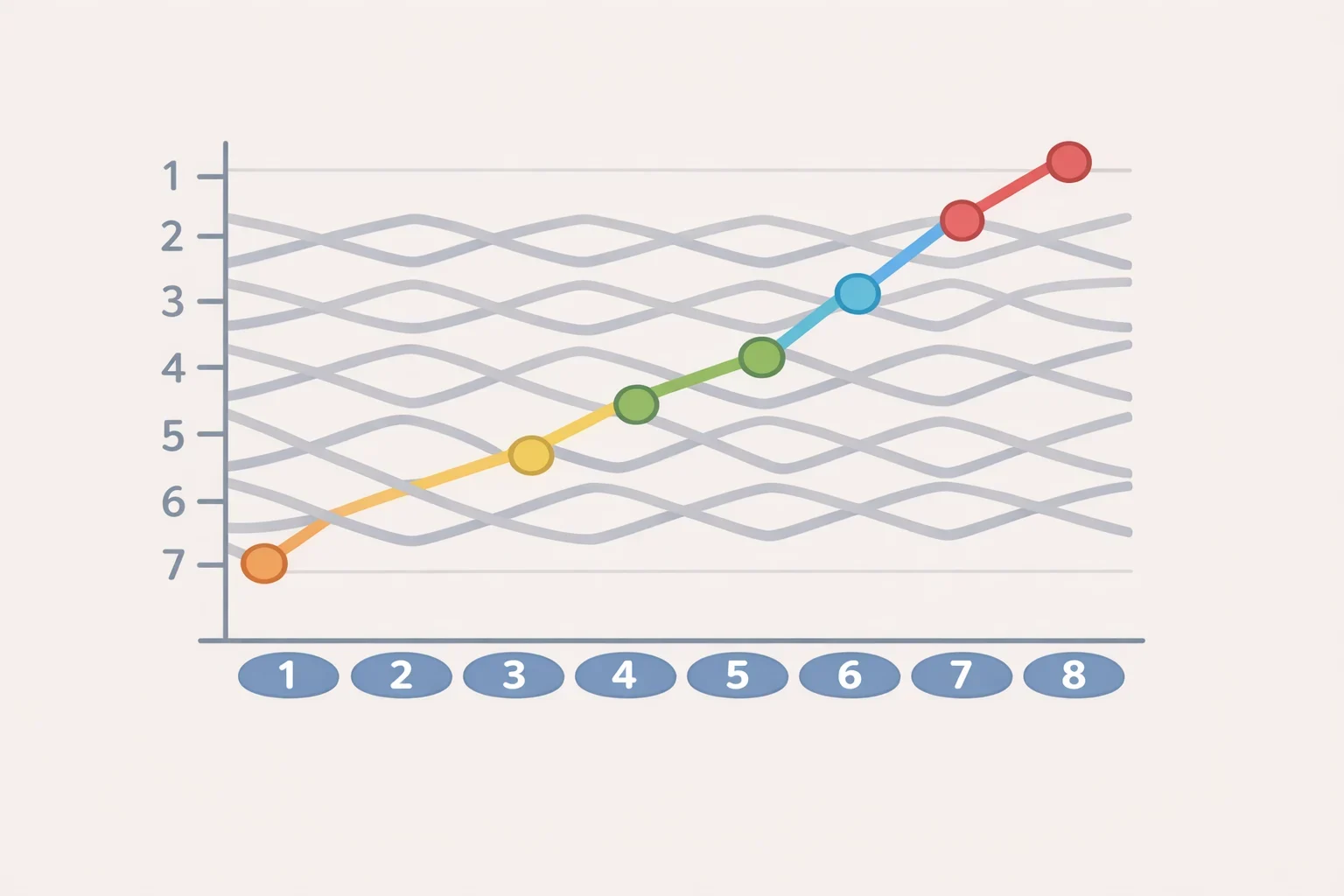
Ingebrigtsen ran patiently through most of the 5,000m. He sat 20th of 23 runners at 3,000 meters, more than three seconds behind leader Dominic Lobalu of Switzerland, according to LetsRun. Over the following lap, he climbed from 19th at 3,200 meters to first at 3,600 meters.
Jimmy Gressier of France, the reigning world 10,000m champion, briefly held the lead off the final turn before fading to fourth in 13:16.36. Seven men were still in the lead pack at the bell, per LetsRun.
Approaching the home straight, Ingebrigtsen was briefly boxed in before finding space between Florian Bremm of Germany and Etienne Daguinos of France, then passed both in the closing meters, according to World Athletics and AP. Bremm took silver in 13:15.60, Daguinos claimed bronze in 13:16.09, and Ingebrigtsen won by three-tenths of a second.
His closing 600 meters came in 1:24.5, well off the 1:19.9 he ran to finish both the 2023 World Championships and the 2024 Olympics, according to LetsRun. That's one race, not proof his kick has permanently changed. Still, it suggests the finishing speed that built his career hasn't fully returned to its old sharpness.
What sports medicine says about running back from an Achilles injury
Ingebrigtsen's procedure is described in reporting as clearing scar tissue from the sheath around the Achilles tendon, without enough clinical detail to classify the underlying condition as tendinopathy or something else. His specific rehab protocol and clearance benchmarks haven't been made public, so his case shouldn't be used to set expectations for tendinopathy recovery timelines.
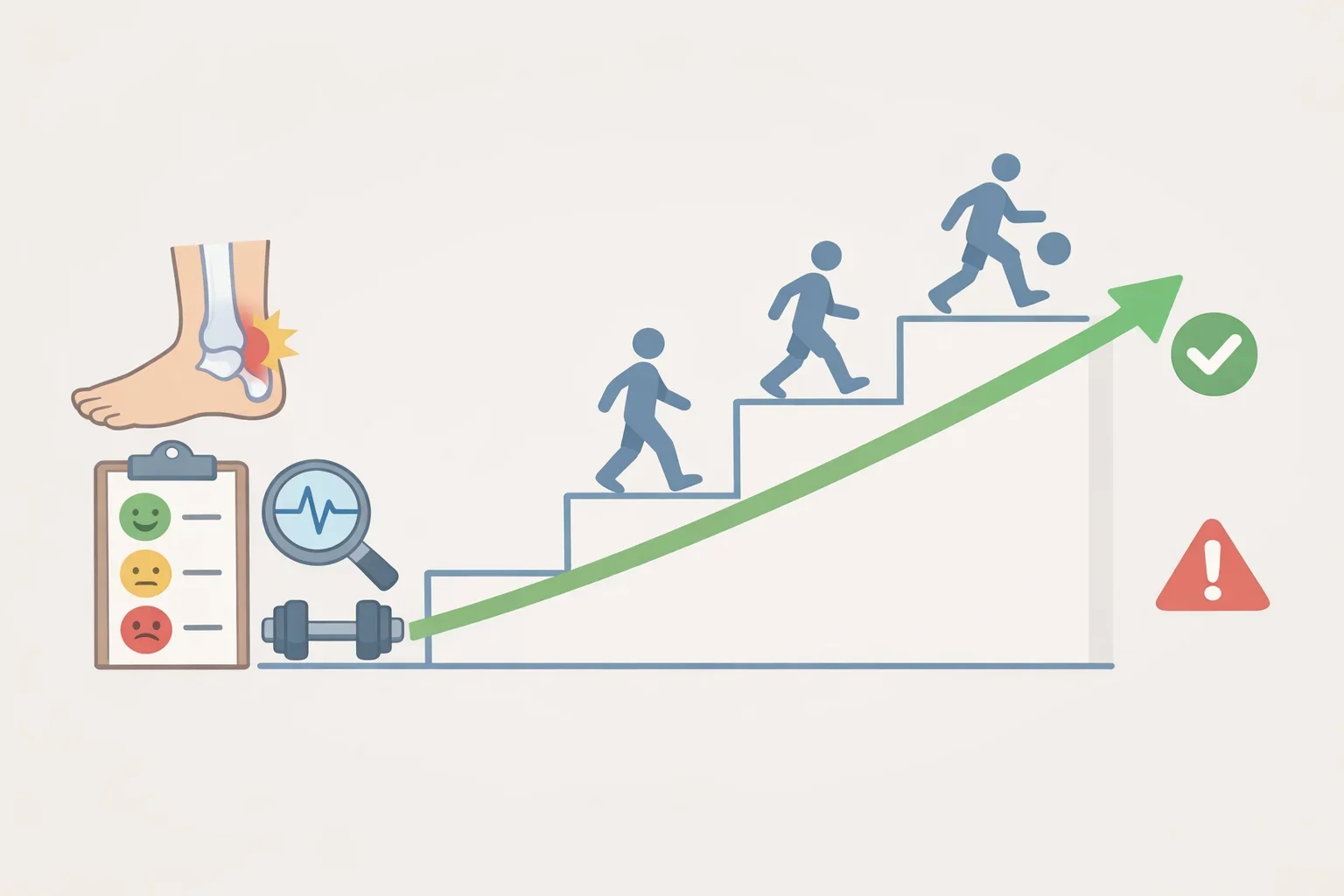
Return-to-sport strategy is considered critical to managing tendinopathies generally. A 2024 journal review on lower-limb tendinopathy management frames that phase as a balancing act: enough recovery to protect the tendon without so much rest that the athlete deconditions, according to the JOINTS review. Progression should be gradual and controlled, giving both athlete and clinician time to evaluate symptoms before jumping back to full training load.
The same review found that reinjury rates for Achilles tendinopathy in soccer players range from 27% to 44%, and that reinjury is more common after short recovery periods and among athletes with no structured support during return to sport, compared with those who followed a standardized, gradually loaded program, according to JOINTS. That data comes from soccer players with tendinopathy, not distance runners recovering from sheath surgery, so it reads as a general caution against rushing the return rather than a figure that applies directly to Ingebrigtsen's case.
Runners with current Achilles pain, runners cleared to resume running, and runners returning after surgery face different situations, and this guidance applies most directly to the first group. Runners in the other two categories should treat the gradual-progression principle as a general caution and build their own timeline with a treating clinician, rather than borrowing someone else's schedule.
The review also notes that resting completely from sport during the early phase of treatment may not be necessary, according to JOINTS, though it stops short of saying a monitored return beats full rest in every case. That distinction is worth working through with a physical therapist, athletic trainer, or sports medicine physician rather than deciding readiness off a single good or bad training run.
For runners already cleared to run, a few things are worth tracking after each session: pain level during the run itself, next-morning stiffness, any swelling around the tendon, and whether gait feels normal. A manageable response is mild soreness that eases within a day and doesn't get worse run over run. Contact a physical therapist, athletic trainer, or sports medicine physician before continuing if any of the following show up:
- Sharp or sudden pain in the tendon
- Swelling that doesn't settle down between sessions
- Pain that worsens during or after activity instead of easing
- A noticeable limp or trouble pushing off normally on the affected leg
What the Jakob Ingebrigtsen European 5000m title comeback establishes
The win pushed Ingebrigtsen to seven-for-seven across all distances at the European outdoor championships and extended his run to 15 straight European titles across every age group and surface, from indoor tracks to cross country, a mark LetsRun called remarkable. It was also his 17th European gold medal across track and cross country, according to World Athletics.
The result shows Ingebrigtsen could return to championship racing and win. It doesn't establish his rehab protocol, his clearance criteria, or the current state of his Achilles, since none of that has been made public.
What comes next
Ingebrigtsen has committed to the 1500m at the Zurich Diamond League on August 27 and holds a guaranteed spot in the 5,000m at the World Ultimate Championships in Budapest on September 11, where the field is expected to include world champion Cole Hocker of the United States, according to LetsRun.
Those races will add competition data, not confirmation of how fully the tendon has healed. For runners managing their own Achilles issue, skip the comparison to a comeback headline entirely. Track pain during and after each run, watch for the warning signs above, and let a treating clinician, not a race result, decide when it's time for the next step up in training load.