
What is a bullpen game in baseball? Opener explained
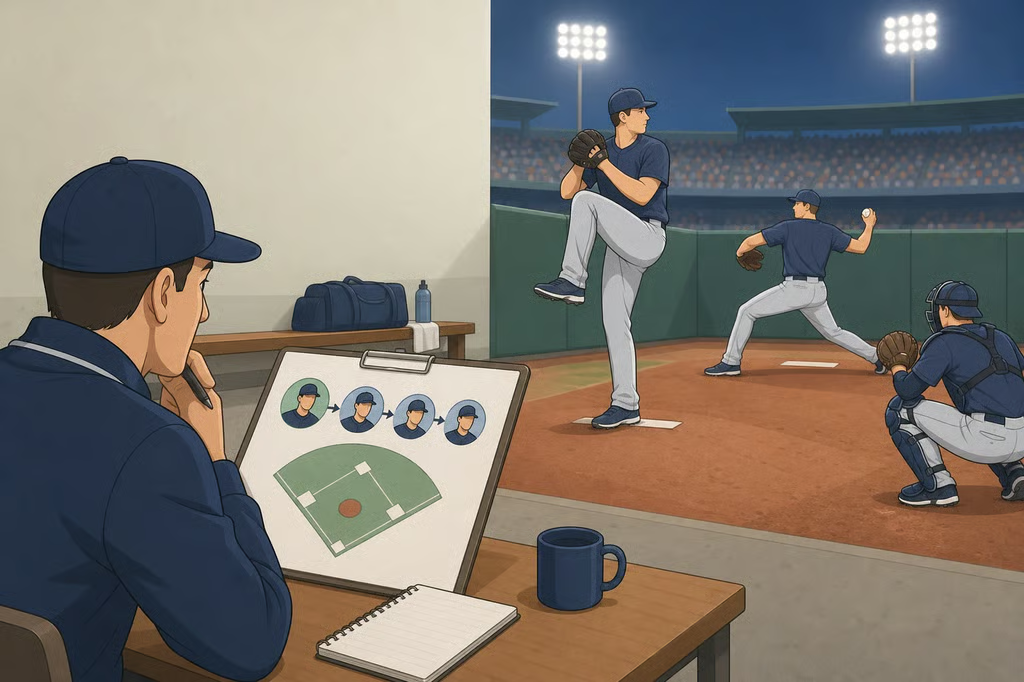
Chicago relievers retired 14 straight Padres batters after left-hander Matthew Boyd's start in the 2025 NL Wild Card Series, a postseason record for consecutive batters faced by a bullpen without allowing a baserunner, according to MLB.com. Manager Craig Counsell had simply asked his relief corps to get 14 outs after Boyd's solid outing, the same report notes.
That stretch of relief work still doesn't answer what is a bullpen game in baseball. Boyd made a conventional start, and the bullpen then covered the final 14 outs, which is heavy bullpen usage rather than a bullpen game. The label usually describes a plan a team builds before first pitch, not how many innings relievers end up throwing once the game is underway. Sorting that out, along with the related but separate idea of an opener, makes it easier to read a lineup card or a broadcast graphic correctly.
What is a bullpen game in baseball?
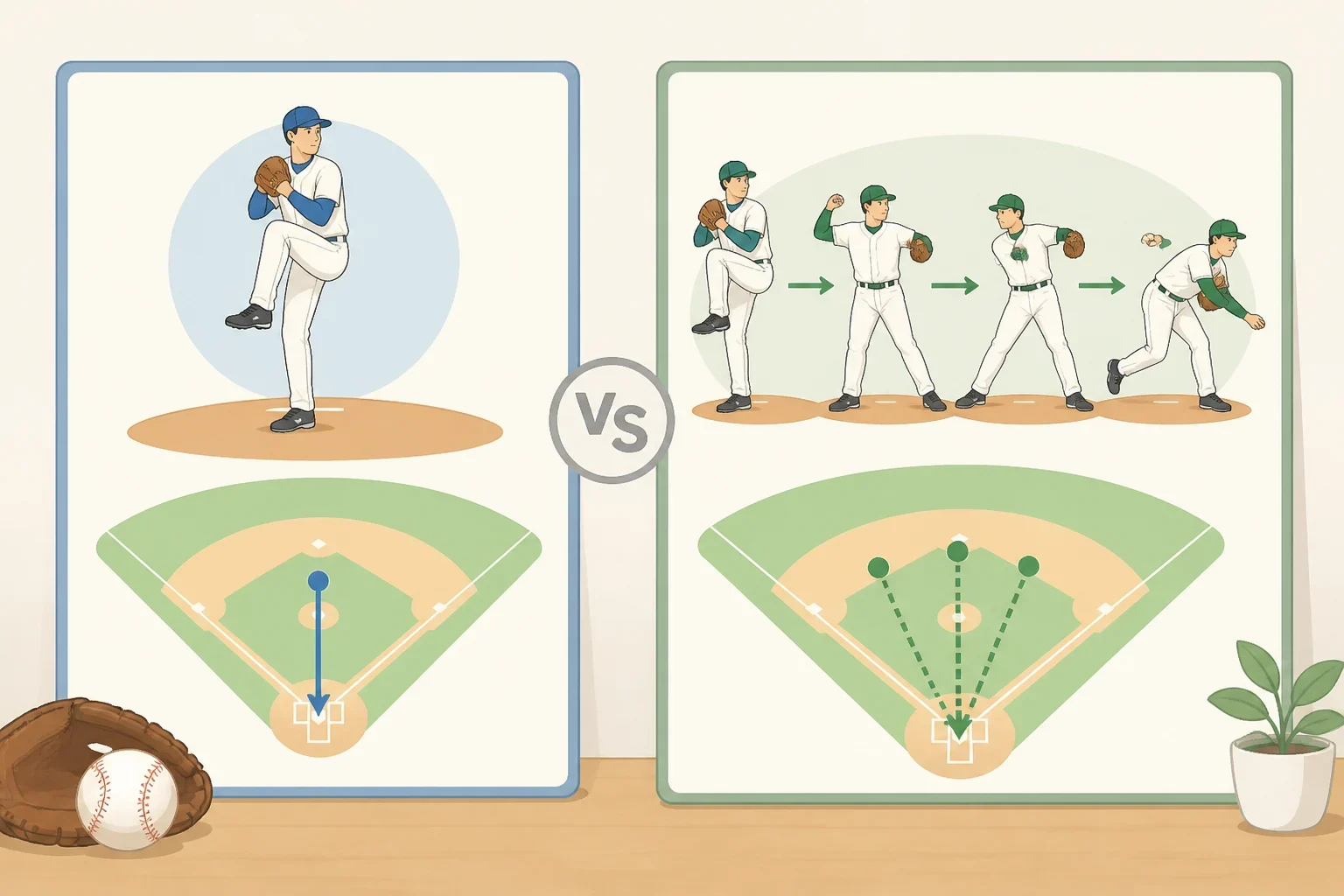
Baseball-Reference frames the concept through the opener's role: an opener is the first pitcher used in a bullpen game, a reliever who starts but isn't meant to work more than an inning or two. That framing treats the bullpen game as the umbrella plan, with the opener as one piece inside it.
Wikipedia's glossary of baseball terms puts it more directly: a bullpen game is a game in which a club uses relief pitchers throughout instead of one of its starters. This guide uses that as its working definition, with Baseball-Reference's opener framing filling in the roles underneath it.
A narrower usage exists too, and it's worth knowing before assuming every broadcaster means the same thing. Wikipedia's entry on openers reserves "bullpen game" for a plan where several relievers split the innings, typically a couple each, and uses "opener strategy" only for a short opener paired with one long reliever. That same entry notes bullpen games can give a rotation dealing with injuries or fatigue some breathing room.
In the broad usage followed here, a bullpen game simply means the club skips a conventional starter for that day. In the narrower usage, an opener is followed by a bulk pitcher, and that bulk pitcher can be a regular starter working a restructured turn rather than a reliever filling in for one.
Game 2 of the Cubs' Wild Card Series fell on Shota Imanaga's normal turn in the rotation. Instead of starting on his usual schedule, reporting indicated he might work behind opener Andrew Kittredge as the bulk pitcher, per MLB.com. That's a restructured rotation turn, not a skipped one. Imanaga was still ticketed for a share of the game, just starting later and covering fewer innings than a typical start.
Classifying any specific game comes down to who's pitching and in what order, which the patterns below lay out.
What is an opener in baseball?
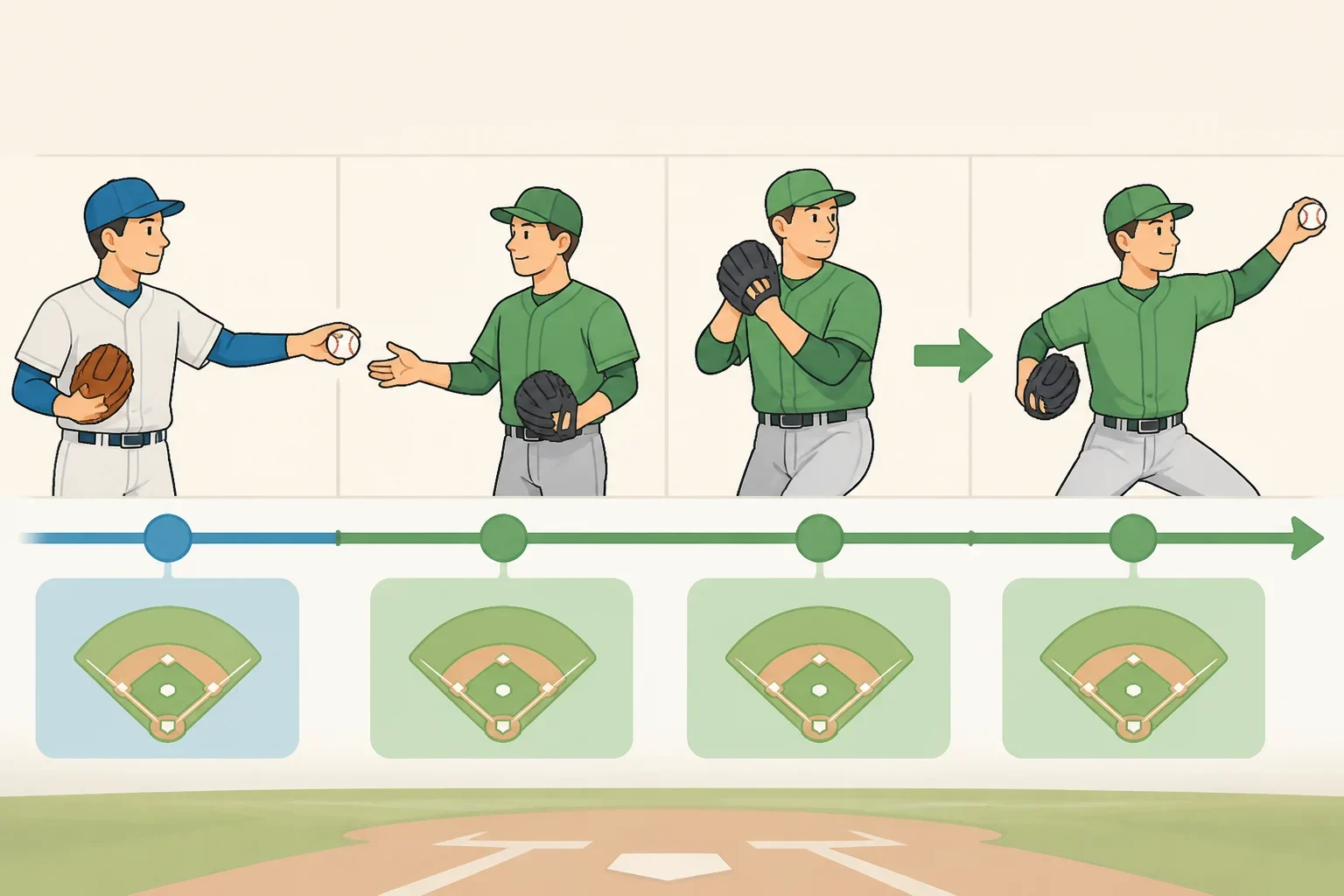
An opener is a reliever who starts the game but isn't expected to pitch more than an inning or two before handing off to another pitcher, according to Baseball-Reference. Because he's only out there briefly, he doesn't need to pace himself the way a traditional starter does and can throw at maximum effort from his first pitch. He's also ineligible for a win, since he won't record the five innings a starter needs to qualify, though he can still be charged with a loss if the outing goes badly.
The pitcher who follows the opener is sometimes called the bulk pitcher in baseball. Baseball-Reference describes that role as a long reliever who covers as many innings as he reasonably can, carrying a workload similar to what a regular starter would. One reason managers build a game around an opener-and-bulk-pitcher setup is matchups: starting a short reliever can push the pitcher handling most of the game later into the lineup's turn, so the top of the order sees him fewer times overall.
Bullpen game vs. opener: three plans and what each means
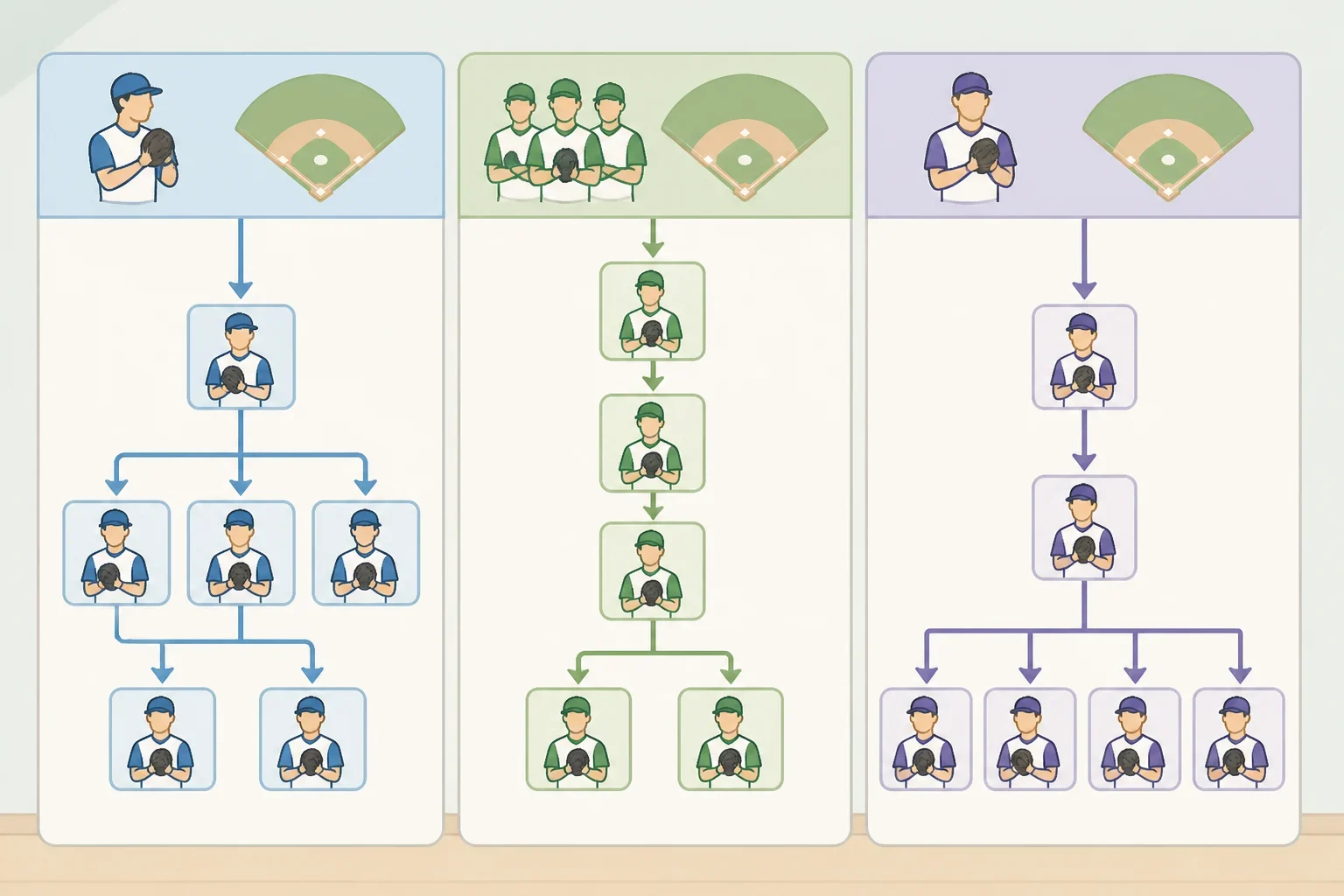
Once a team announces its pitching plan, three things determine which label fits: who's throwing first, who's scheduled to follow, and how the rest of the game is expected to be covered. This is a practical way to read what's reported before a game, not a formal rulebook classification.
Pattern Who throws What follows Opener plus bulk pitcher A reliever covers the first inning or two One pitcher takes over for a starter-like workload Full bullpen game No pitcher is lined up for a starter-like workload Several relievers each handle an inning or two Traditional start, heavy relief afterward A regular starter takes the ball expecting to pitch deep into the game The bullpen takes over because of matchups, fatigue, or performance
The first two rows get planned before first pitch. The third is generally recognized only after the fact, once circumstances force a change.
Ahead of a possible Game 2, Counsell hadn't named a starter, but reporting indicated Kittredge could open with Imanaga possibly following as the bulk pitcher, per MLB.com. That's the first row. Boyd's Game 1 start, followed by the bullpen's 14-out run, fits the third: a conventional start that turned into heavy relief work because of how the game played out, not because it was scripted that way beforehand.
A starter who exits after one inning because he's struggling doesn't turn his start into an opener situation after the fact. A planned opener stays an opener even if the bulk pitcher gets knocked out early and the bullpen has to improvise the rest.
Why the plan matters once the game starts
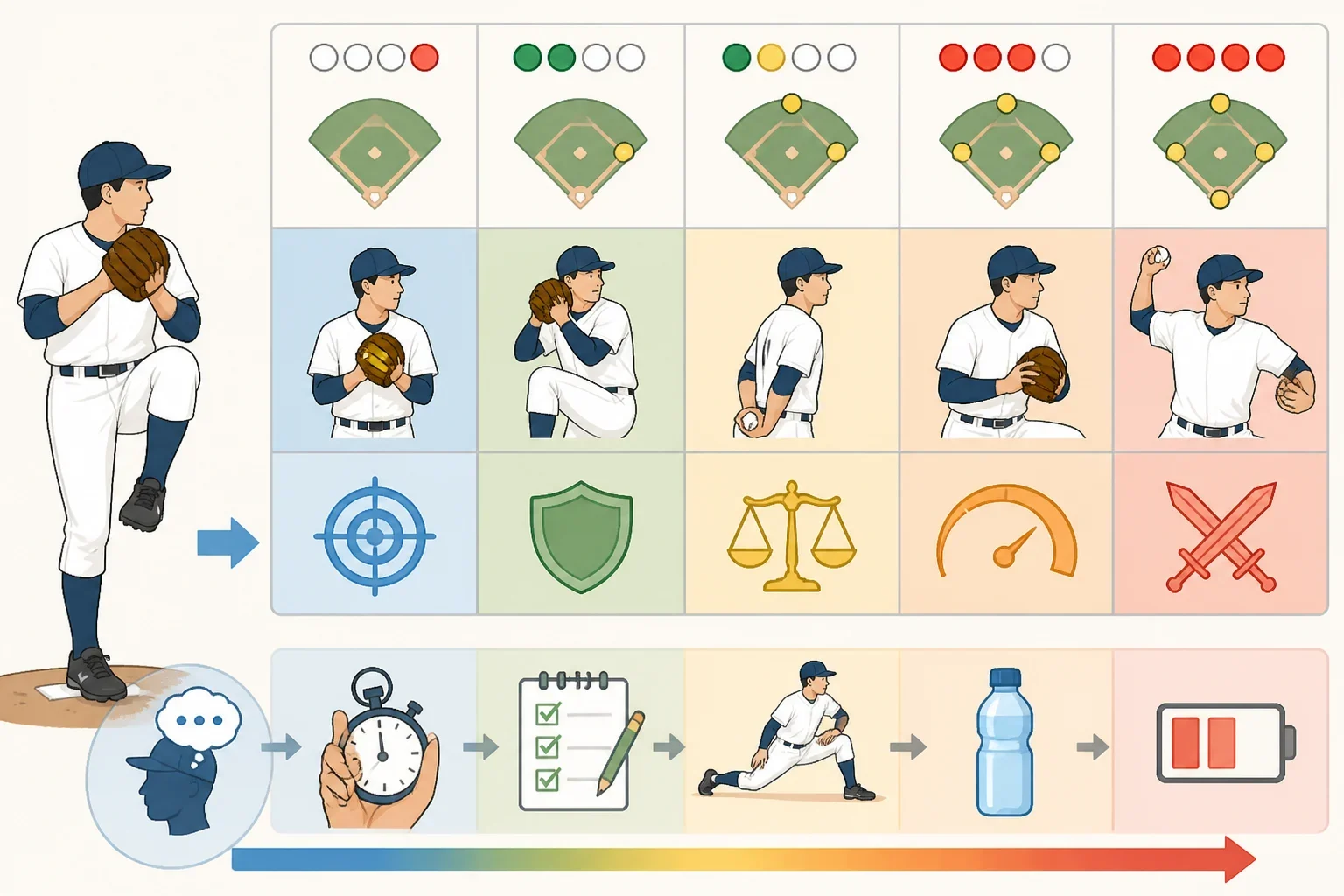
The three patterns aren't just labels. They change what each pitcher on the mound is actually trying to do.
- An opener is built to face a limited number of batters, so he can throw at maximum effort from his first pitch instead of pacing for six or seven innings.
- A bulk pitcher is expected to absorb a starter-like share of the innings, pacing himself closer to how a regular starter would.
- A full bullpen game spreads the workload across several relievers, with no single pitcher carrying the bulk of the game.
- A conventional starter who gets pulled early after a bad outing wasn't working under any of those plans. He was trying to pitch deep into the game and simply didn't get there.
A 2023 SABR study examining postseason pitching from 2014 through 2022 treated six short "opener" appearances as the equivalent of relief outings, specifically because the managers involved intended to pull those pitchers after no more than an inning or two. That's the same intent-based reasoning that separates a genuine opener from a starter who just had a short night.
Why teams use the opener and bullpen game strategy
The tactic isn't new. Baseball-Reference notes that pitchers have started games, faced a batter or two, and left throughout baseball history, often because of injury and sometimes tied to strategy, pointing to Curly Ogden's start in the 1924 World Series as a notable historical example without specifying which reason applied in his case.
Using an opener as a regular rotation tool, rather than an occasional workaround, traces to the Tampa Bay Rays. Baseball-Reference credits the club with coining the term in 2018 and reporting considerable success running it as a regular feature of their rotation.
Even a team comfortable with the tactic tends to deploy it selectively. The Cubs used an opener seven times across the 2025 season, spread among four different relievers, according to MLB.com.
What to remember next
An opener is a pitcher's role for one outing: a short stint, usually an inning or two, set before the game. A bullpen game is the team's broader coverage plan for that day, whether that means an opener followed by a bulk pitcher or several relievers splitting the innings evenly.
Before deciding what was actually watched, check what the team announced going in rather than reading the final line score alone. A short start that turns into a long relief outing without any advance plan is heavy bullpen usage layered onto a conventional start, not a bullpen game or an opener situation. If a broadcast uses "bullpen game" more narrowly than Baseball-Reference does, that's a difference in terminology, not a disagreement about what happened on the mound.