
- Madias Ngake Olympic Bronze Medal: Why She's Never Held It
- London 2012 weightlifting medal reallocation: the seven-year wait
- Why Madias Ngake has never held her Olympic medal
- Ngake's Commonwealth Games silver for England
- Comparable Olympic medal reallocation cases
- The reported result, and what remains unconfirmed
Madias Ngake Olympic Bronze Medal: Why She's Never Held It
Madias Ngake won silver for England in the women's 86kg weightlifting at the 2026 Commonwealth Games in Glasgow, and she ranked it below a medal she has never touched. "This ranks second behind my Olympic bronze medal," Ngake told TNT Sports after the result, BBC Sport reported.
That bronze is the Madias Ngake Olympic bronze medal from London 2012, awarded after she competed for Cameroon. She has never held it. According to a BBC Sport feature, she has never held that medal, having never returned to her homeland in the 14 years since she first landed in the UK.
London 2012 weightlifting medal reallocation: the seven-year wait
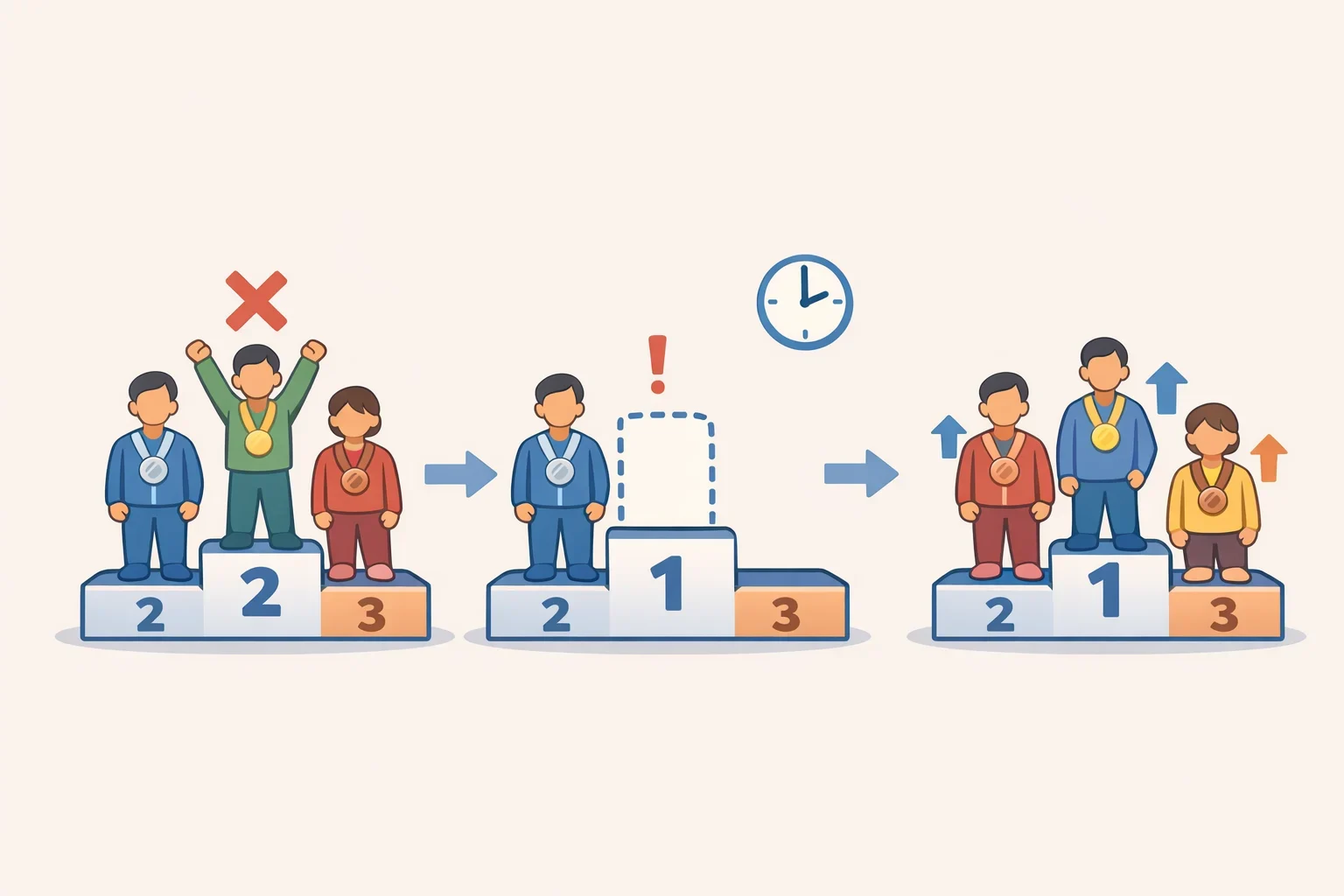
Ngake's bronze did not come from a podium finish on the day of competition. It was awarded to her seven years late, after three weightlifters who finished above her at London 2012 were disqualified for doping offenses, BBC Sport reported.
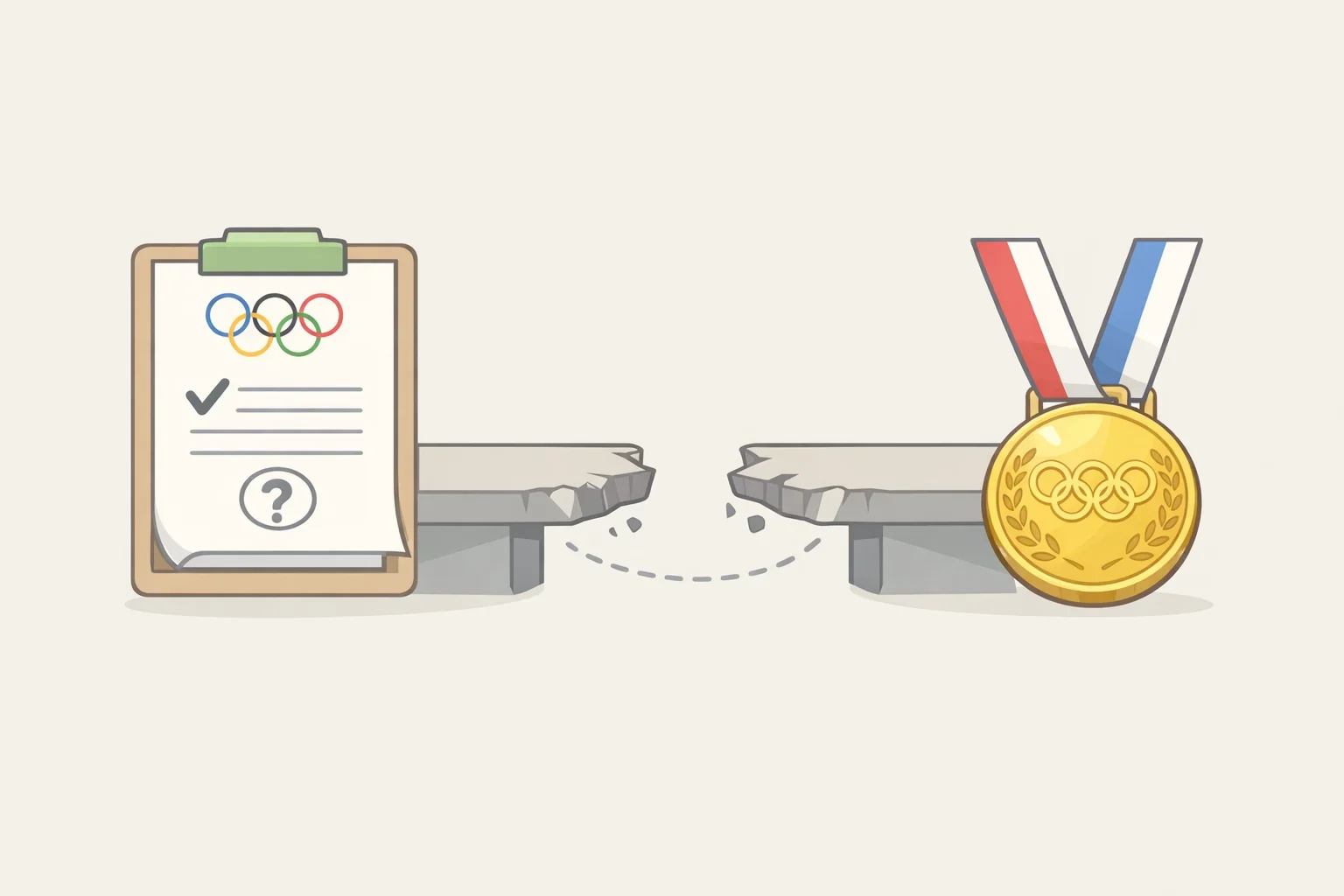
The BBC's reporting does not explain what caused that seven-year gap between the Games and the award, whether that reflects how long the doping cases took to resolve, how long results verification took, or some combination of both. What the supplied reporting does confirm is the outcome: BBC Sport reports that Ngake was awarded the London 2012 bronze medal for Cameroon, a result that arrived nearly a decade after she competed.
That timeline matters for anyone trying to understand how Olympic medal reallocations work. A disqualification does not instantly reshuffle the podium. Anti-doping cases can take years to move through appeals and sample re-testing, and a results change at the federation or IOC level is a separate step from any medal ceremony, ceremony scheduling, or physical delivery that might follow. Ngake's case shows how long that gap between a corrected result and a completed reallocation can run.
Why Madias Ngake has never held her Olympic medal
The BBC's reporting ties the medal's absence directly to Ngake's life since leaving Cameroon. She has never held it, and the BBC reports that she has not returned to Cameroon in the 14 years since she first arrived in the UK.
Even now, Ngake is reluctant to detail exactly how her departure and the years that followed unfolded, according to BBC Sport. She has been more willing to discuss the impact of what she describes as "absconding," a word the BBC uses in describing how she characterizes her own experience rather than a documented legal term.
The supplied reporting does not identify where the physical medal currently is, who holds it, or whether a reallocation ceremony was ever scheduled for her. It also does not name which organization, such as a national Olympic committee or the international weightlifting federation, would typically be responsible for arranging delivery once a result is upgraded years after the fact. Those specifics simply have not been reported.
Ngake's Commonwealth Games silver for England
Ngake made her competitive debut for England at the Glasgow Commonwealth Games, winning silver in the women's 86kg category at age 34, BBC Sport reported. She had won bronze competing for Cameroon at the London 2012 Olympics 14 years earlier, and the Glasgow result marked her first major competition under a different flag.
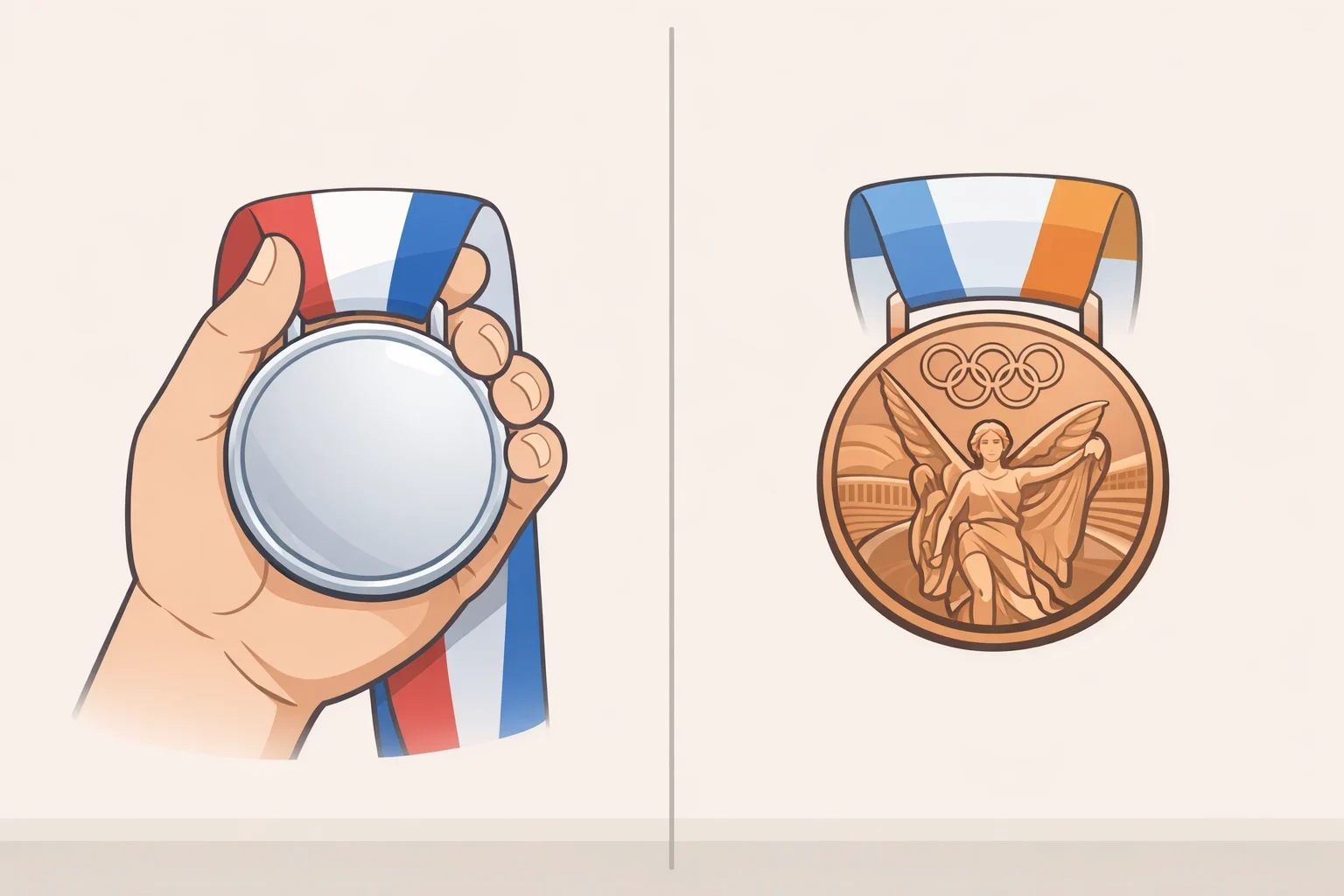
BBC Sport's feature draws a contrast between the two medals that goes beyond Ngake's own ranking of them. The silver, the reporting notes, is one she could actually hold in her own hands, and it would never be hidden away in a drawer, unlike the Olympic bronze she has never held, according to BBC Sport.
For a 34-year-old lifter making her England debut, a silver medal at a major multi-sport Games is itself a notable result. But the quote she gave TNT Sports frames it as a marker against something else entirely: a medal she is officially credited with, yet has spent 14 years without ever physically holding.
Comparable Olympic medal reallocation cases
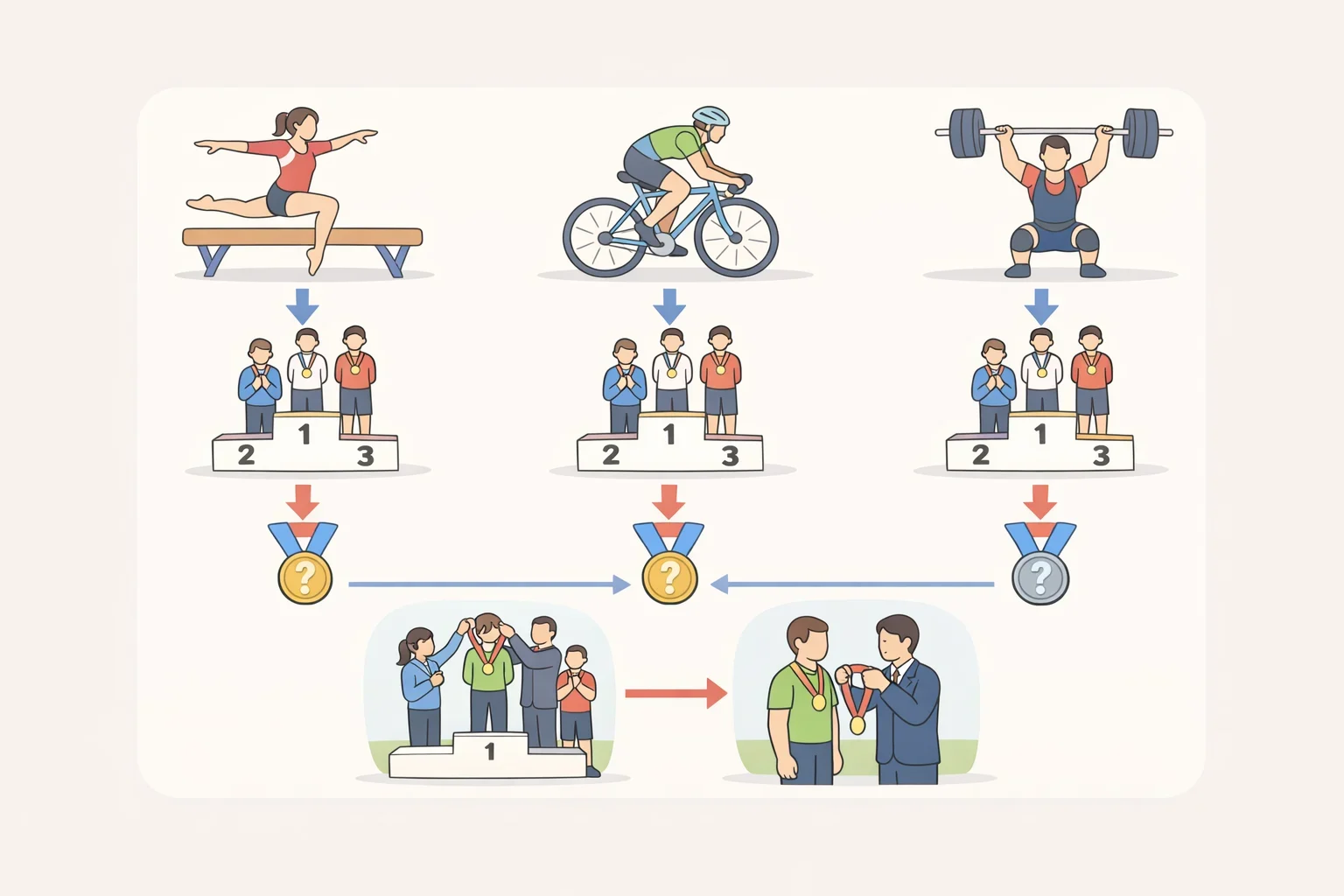
Long gaps between a doping-related disqualification and a medal reaching its new owner are not unique to Ngake. American hurdler Lashinda Demus waited 12 years after her race before she was set to receive the gold medal a doping-related disqualification had earned her, with a ceremony planned around the Paris 2024 Games, according to the Associated Press.
A separate case from the Paris 2024 Games illustrates a different version of the same process. The IOC said it would reallocate the floor exercise bronze medal to Romanian gymnast Ana Barbosu, and that it was in discussions with Romania's national Olympic committee about a reallocation ceremony while separately coordinating with the US Olympic and Paralympic Committee on returning the physical bronze, according to an IOC statement. The IOC's own language split the process into two distinct tracks: arranging a ceremony with the recipient's national committee, and separately securing the physical medal from the committee that originally received it.
Both cases involved different sports, different Games, and different national federations than Ngake's, and neither establishes what has happened, or will happen, in her situation. What they do show is that an Olympic reallocation can involve multiple separate steps, a corrected result, a ceremony, and a physical handover, and that those steps do not necessarily happen on the same timeline. Demus's case shows that gap can stretch beyond a decade even when a ceremony is eventually scheduled. Barbosu's case shows the ceremony and the physical medal transfer can be handled as two distinct pieces of the same process, coordinated by different national committees. Neither case proves there is a fixed procedure that applies to every reallocated medal, including Ngake's.
The reported result, and what remains unconfirmed
BBC Sport reports that Ngake was awarded the London 2012 bronze medal for Cameroon after three higher-placed weightlifters were disqualified for doping, an upgrade that arrived seven years after the Games themselves. That result has been reported and is not in dispute.
What the supplied reporting does not establish is the medal's current physical location, who holds it, or whether any ceremony or delivery has been arranged for Ngake separate from the result itself. She has never held the medal in the 14 years since she first arrived in the UK, and the supplied sources do not report any subsequent delivery or ceremony since her Glasgow silver.
For now, the two facts sit side by side without resolution: a corrected Olympic result that stands on the record, and a physical medal whose location and delivery status have not been reported anywhere in the available coverage.