
- 2027 High School Baseball Rule Changes Explained for Coaches
- 2027 high school baseball rule changes at a glance
- The larger first base rule: double base vs. 18-inch base
- High school baseball electronic pitch calling rules for 2027
- The 2027 extra-inning runner rule and other updates
- Bat certification changes coming in 2028
- What to check before the 2027 season
2027 High School Baseball Rule Changes Explained for Coaches
High school baseball teams get a new choice at first base next season, along with several other rule shifts that change how games are managed and communicated. Starting with the 2027 season, schools can use either an 18-inch first base or a double first base, part of a package of 2027 high school baseball rule changes NFHS approved to cut down on collisions and modernize game management, according to an NFHS announcement published six weeks ago.
The survey counted 472,598 boys at 16,110 schools, along with 1,381 girls, based on the NFHS participation data cited in that announcement.
Part of this package just became official. Part of it was locked in more than a year ago and is only now approaching game day. Below is what actually changes for 2027, what stays optional, and what coaches and parents should confirm before the season opens.
2027 high school baseball rule changes at a glance
The core of the 2027 package traces back to the NFHS Baseball Rules Committee's meeting last year in Indianapolis, where the group proposed 10 changes that the NFHS Board of Directors accepted, NFHS reported at the time. Those changes, still scheduled for 2027, include:
- A double first base, mandatory unless a school opts for the newer 18-inch alternative.
- A limit of one player-to-player defensive meeting per half-inning, with umpires denying further requests once a team has used its meeting (NFHS, last year). Hopkins said multiple meetings in a half-inning "adds additional time that lengthens a contest and is not in the best interest of the game."
- Permission for a school's name, nickname, logo, mascot or a player's name to appear on uniform tops and pants (NFHS, last year).
- A ban on players wearing any audio or video device during a game (NFHS, last year).
Six weeks ago, NFHS added a second round of changes following its June 2026 rules committee meeting. Seven additional recommendations cleared the NFHS Rules Review Committee and Board of Directors, according to NFHS. The headline items are the 18-inch base alternative and one-way electronic pitch-calling, both covered below.
The larger first base rule: double base vs. 18-inch base
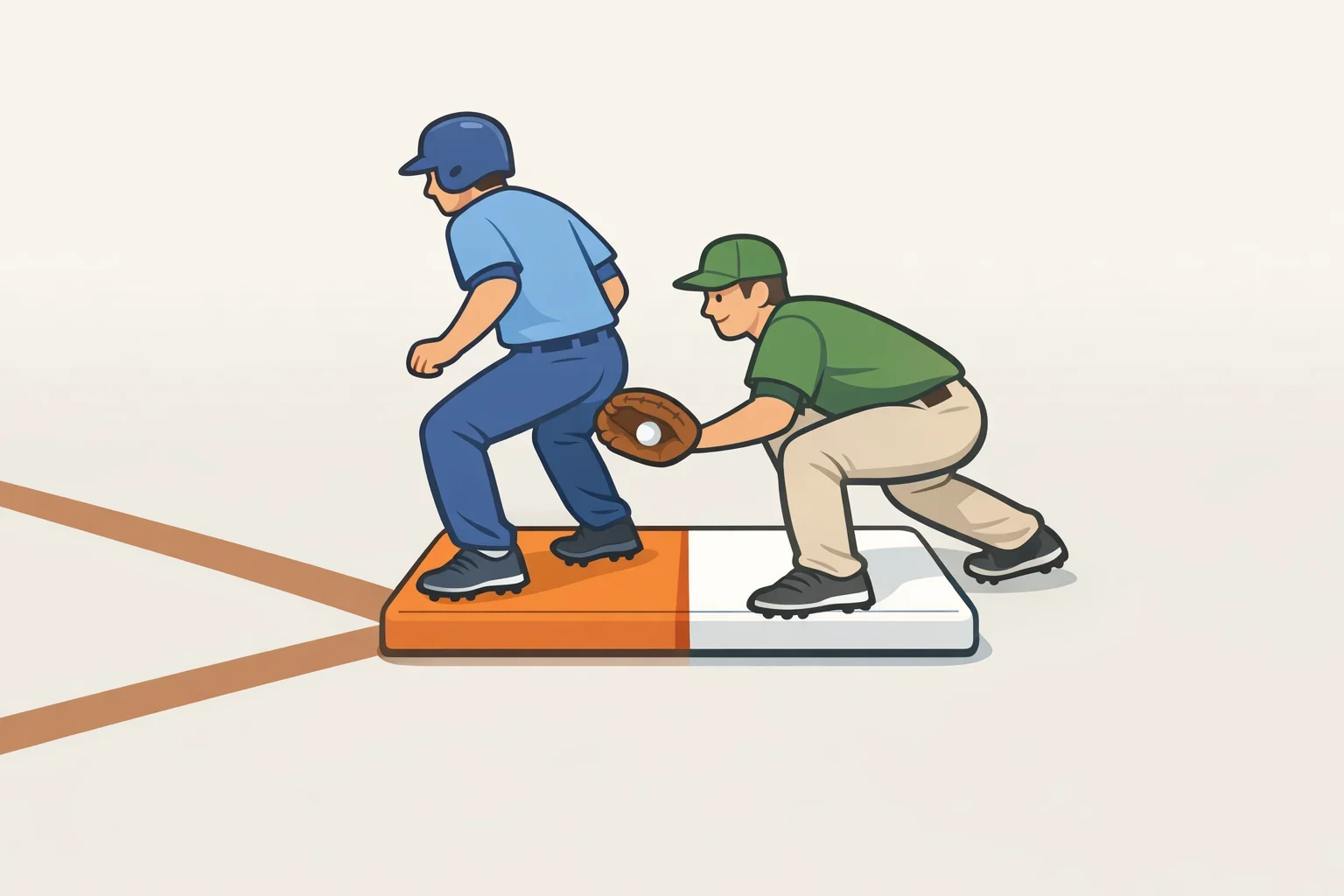
The double first base splits into two colors: white in fair territory for the fielder, and a contrasting solid color in foul territory for the runner, with no gap between the two halves (NFHS).
On a standard force play at first, the batter-runner touches the colored half while the fielder works the white half. A runner who touches only the white portion and collides with the fielder can be called for interference; a fielder who plants only on the colored portion and collides with the runner can be called for obstruction (NFHS).
One exception applies to dropped third strikes: if the catcher is drawn into foul territory to field the ball, the batter-runner heads to the white portion instead of the colored one (NFHS).
Once a runner is on base and staying there, the colored half stops applying. Leading off, returning on a pickoff attempt or tagging up on a fly ball all require the white base. On a walk or an extra-base hit with no play developing at first, the runner can use either side (NFHS).
That means runners have to target the colored portion during a force play, then shift back to white once they're safely on base. Practicing that footwork before live at-bats can prevent a routine play from turning into an interference call.
These runner and fielder responsibilities apply specifically to schools that select the double base. Schools that instead choose the 18-inch base get a single, larger base used only at first; NFHS's rule language doesn't describe it with the colored second half detailed above (NSGA).
Elliot Hopkins, NFHS director of sports and liaison to the Baseball Rules Committee, said the choice between the two options "gives administrators the flexibility to enhance player safety while recognizing the varying needs and resources of member schools." Both formats, he said, "are designed to reduce the potential for collisions at first base and support a reduced risk playing environment without changing the fundamental nature of the game," according to NSGA.
High school baseball electronic pitch calling rules for 2027
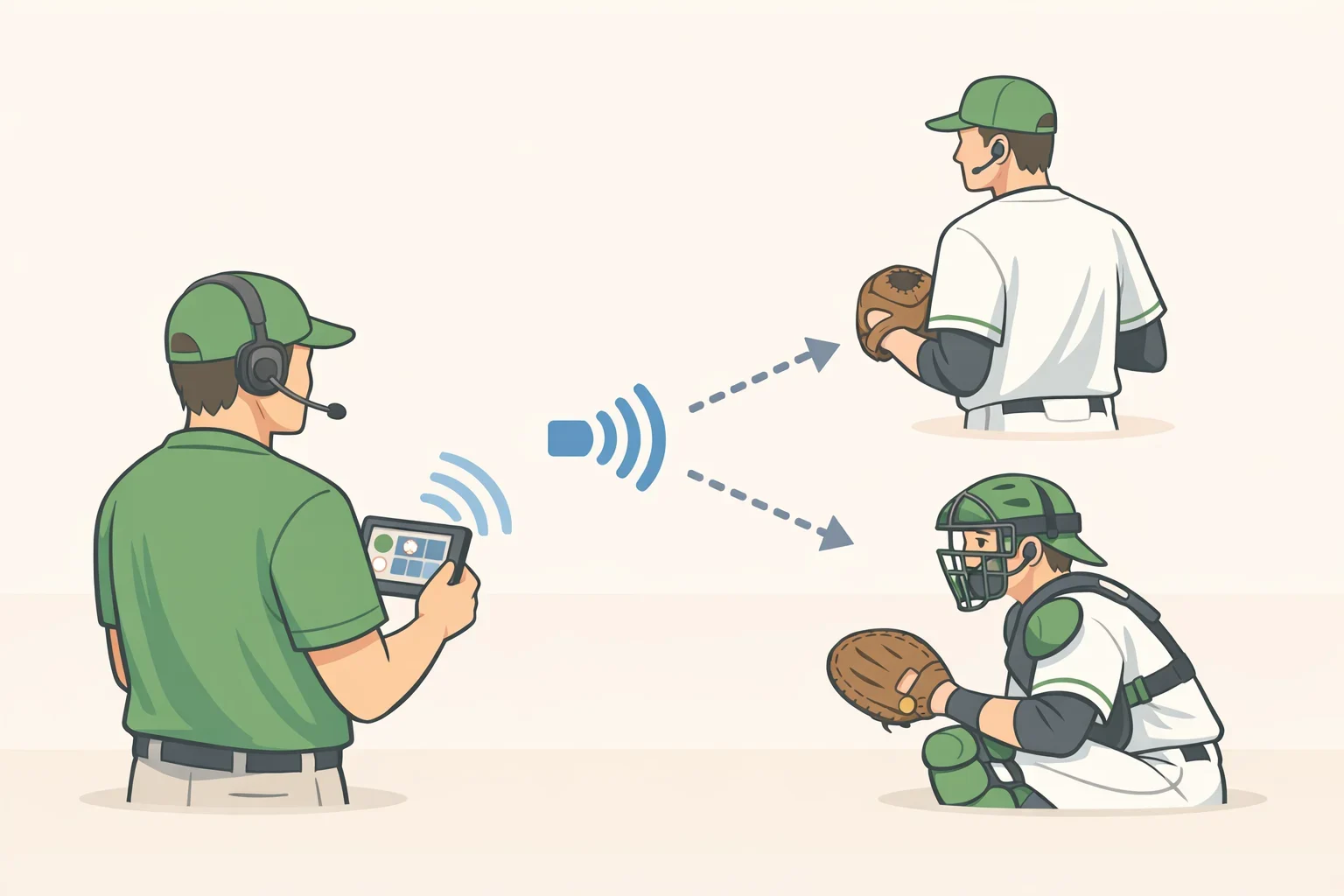
Coaches can now send pitch calls to a pitcher, catcher or both through one-way electronic communication, a change from the old rule that let only the catcher receive coach communication (NFHS).
The coach must remain in the dugout or bench area. NFHS describes the change as one that "responsibly integrates electronic communication that enhances game management," according to NFHS.
Players on the field still can't use electronic communication devices on their own, a prohibition covering amplifying devices, wireless devices and headphones used to record, stream or transmit audio or video. That prohibition doesn't include medical devices (NSGA).
That's separate from the audio and video device ban NFHS adopted last year, which broadly bars players from wearing any microphone or camera during a game (NFHS).
Coaches get one more allowance: a handheld electronic scoring device, or other scoring material, is permitted in the coach's box (NFHS).
Anyone setting up a pitch-calling system for 2027 should check the actual rulebook language and confirm the equipment with their state association before assuming it's compliant.
The 2027 extra-inning runner rule and other updates
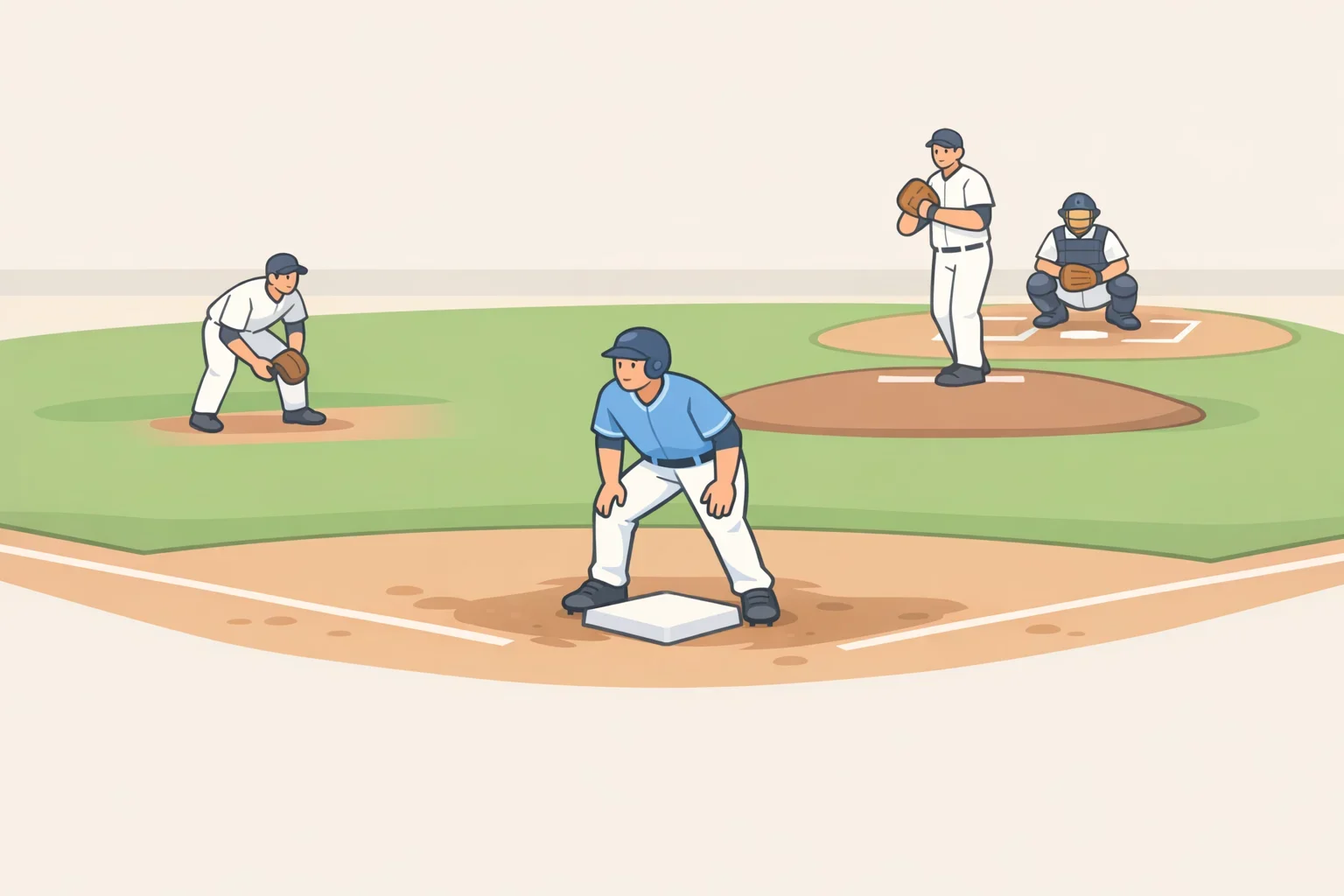
When a qualifying tiebreaker is used to end a regulation game, an option is now available to start each half-inning with a runner on second base rather than an empty bag, according to NFHS.
That runner isn't a coach's pick. It's the last scheduled batter in that respective half-inning (NFHS). Whether a league actually uses this option depends on the tiebreaker format already in place, so coaches should confirm the details with their state association rather than assume it applies automatically.
NSGA's rules roundup also lists a requirement that eye shade worn by players be a solid stroke, without words, numbers, logos or symbols (NSGA). NFHS's own announcement doesn't specify the exact season this takes effect, so it's worth checking with a state association before assuming it applies for 2027.
Bat certification changes coming in 2028
None of this touches bats for the 2027 season. Starting in 2028, NFHS will permit an additional class of non-wood bats, and USA Baseball will take on responsibility for testing those bats (NFHS).
Non-wood bats will need to meet either the USA Baseball BBCOR standard of .50 or the USA Baseball Bat Performance Standard for -4, -5 and -6 drop weights, and carry a permanent silkscreen or other certification mark (NFHS).
Hopkins said expanding the drop-weight options gives "younger and developing players additional opportunities to build proper mechanics, confidence and skills while maintaining the safety and performance standards expected in education-based athletics," according to NSGA.
The change is scheduled for 2028, so it doesn't alter the bat requirements described here for the 2027 season. Before buying new bats once that season approaches, check the certification mark against the current NFHS rulebook rather than assuming an older BBCOR bat still qualifies.
What to check before the 2027 season
This rule package comes from NFHS, the governing body for the high school programs where more than 472,000 boys and over 1,300 girls play the sport nationwide. State associations handle the specifics of adoption, including which first-base option a given league selects.
The most important detail to hold onto from the double-base mechanics above: colored-portion rules apply on force plays, and runners return to white once they're set on the bag. That distinction only matters if a school is using the double base rather than the 18-inch alternative.
Coaches heading into the 2027 season should confirm with their state association which first-base option their league is using, work the colored-base footwork into preseason practice if the double base applies, and check any pitch-calling setup against the dugout-only, one-way rule before opening day. For anything beyond this overview, the official NFHS Baseball Rules Book and state association guidance are the sources that actually govern a given game.