
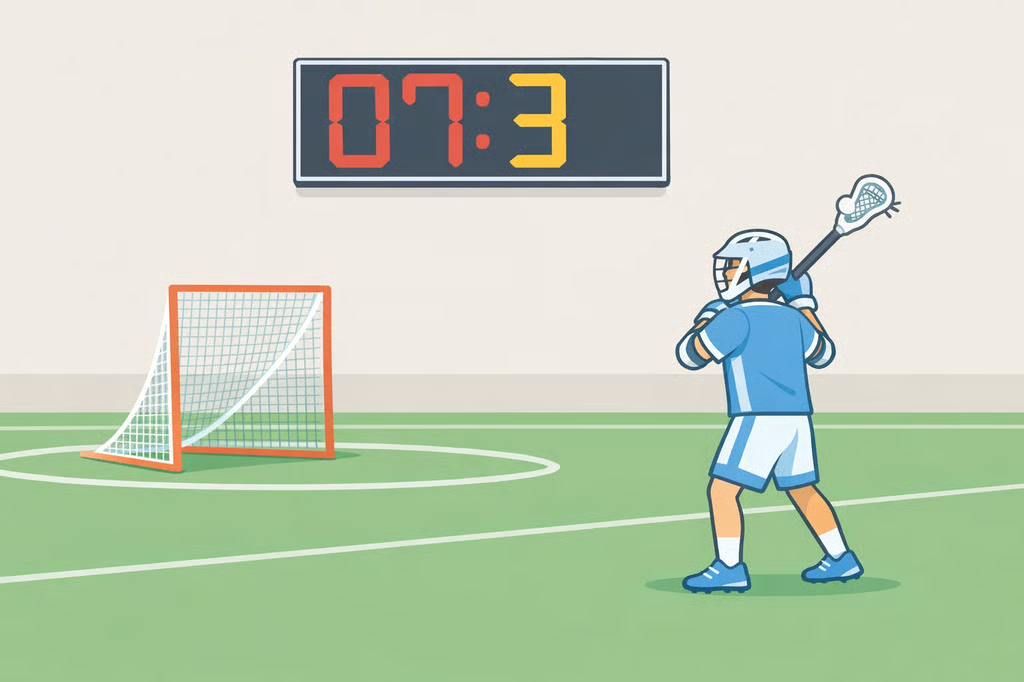
70-Second High School Lacrosse Shot Clock: NFHS's 2027 Plan
Starting with the 2027 season, state high school athletic associations can choose to adopt a 70-second shot clock for boys lacrosse, according to NFHS's announcement last week. The NFHS lacrosse shot clock 2027 rule is optional rather than a nationwide mandate, so it only applies in states whose athletic associations formally adopt it.
A related change lands at the same time: the old 10-second clearing count is gone, replaced by a 20-second window for advancing the ball across the center line. Together, the two changes mark a significant timing shift for the sport, one of 16 rule changes the NFHS Boys Lacrosse Rules Committee recommended at its July 19-21 meeting in Indianapolis, later approved by the NFHS Board of Directors.
The shot clock follows two years of data collection from a New York State Public High School Athletic Association pilot, according to NFHS. "The adoption of a shot clock has been a discussion topic over the last few years," said Matt Dempsey, chair of the NFHS Boys Lacrosse Rules Committee, in the announcement. "After two years of data collection and successful implementation by the New York State Public High School Athletic Association as an experiment, the committee felt the addition of the shot clock was the next step in the evolution of the sport."
What NFHS confirmed, and what it hasn't
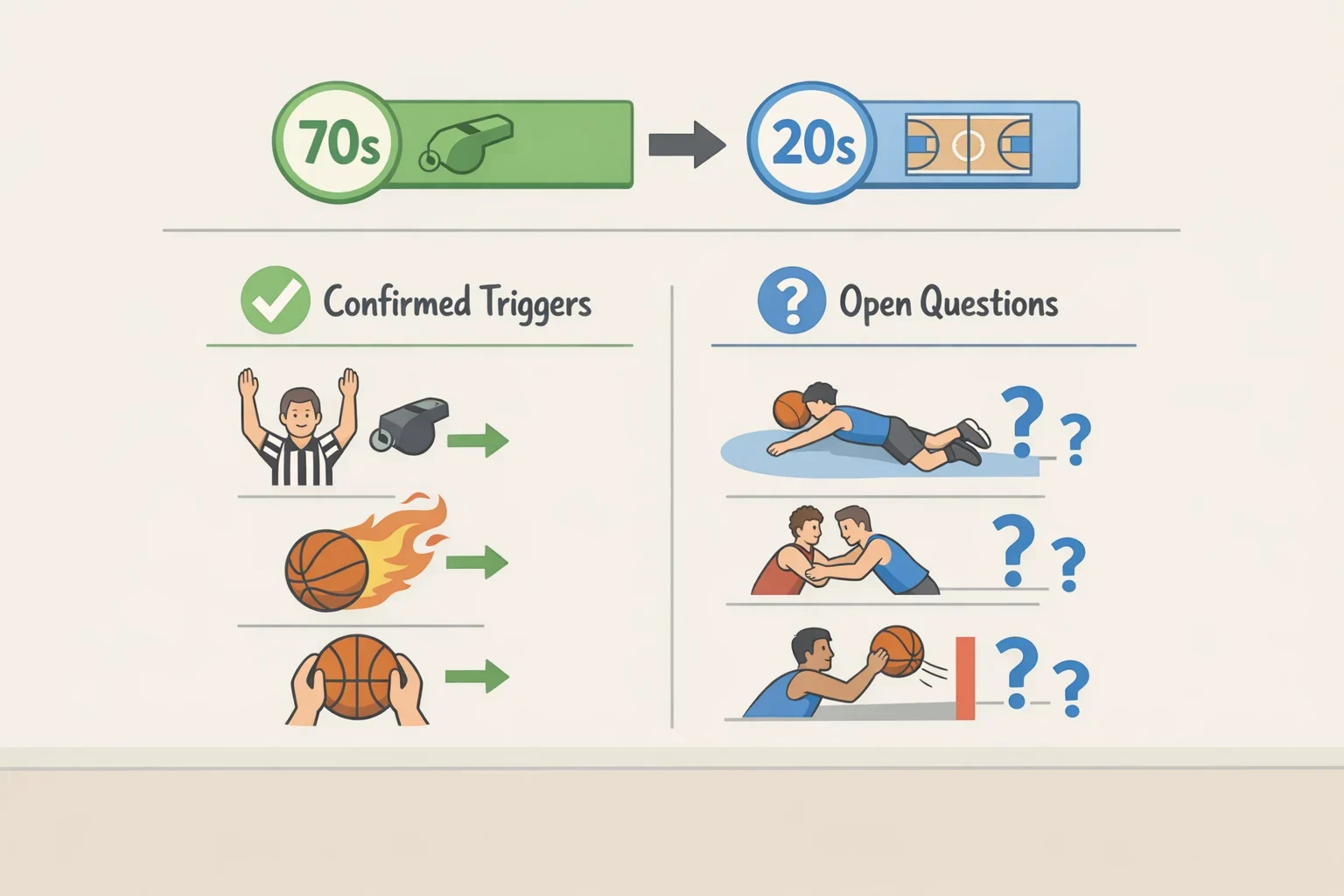
NFHS's wording draws a clear line around the shot clock: it's available "by state association adoption," meaning each state decides whether to use it at all, per the announcement. That conditional phrasing doesn't appear attached to the clearing-count change in the same release.
That's a reading of how the announcement is worded, not a confirmed rule distinction. The 20-second requirement may turn out to be a separate standard change that applies regardless of shot-clock adoption, but NFHS hasn't stated that outright.
Here's what the announcement does and doesn't settle:
- Confirmed: The 20-second requirement applies when play restarts with a team in defensive-half possession, or when a team gains live-ball possession anywhere on the field.
- Confirmed: The 70-second shot clock starts after a team clears its defensive half or gains possession in its own offensive half.
- Not yet specified: How the 20-second requirement is administered when live-ball possession begins in the offensive half, where there's no center line left to cross.
- Not yet specified: What happens once the shot clock reaches 70 seconds.
Coaches, officials and parents should treat these as separate open questions rather than assume one clears up the other. Confirming both directly with a state athletic association is the only way to know what applies locally before the 2027 season.
How the 70-second shot clock and 20-second clearing count work
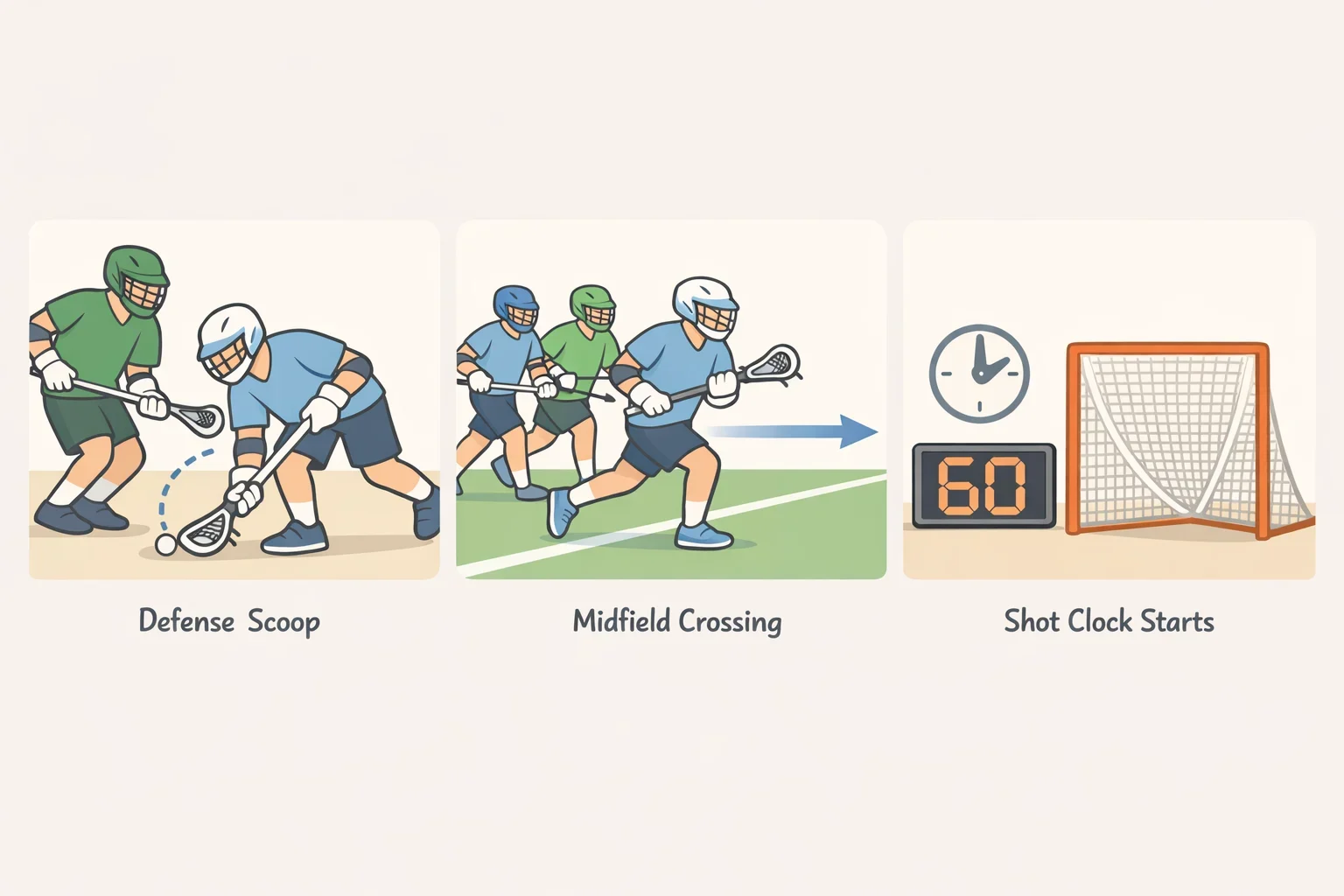
The two clocks are triggered differently, and they don't always run together. The 20-second count begins in one of two situations: when play restarts with a team already in possession in its own defensive half, or when a team gains possession during a live ball anywhere on the field. That team then has 20 seconds to advance the ball, loose or possessed, across the center line.
The 70-second shot clock starts under a separate condition, once a team clears its defensive half or gains possession in its own offensive half. NFHS lists these as two distinct starting points, not one continuous countdown from the clearing count. Once the shot clock reaches 60 seconds, the ball must be in the team's offensive half or possession is awarded to the opposing team, per NFHS's wording.
An illustrative sequence shows how the two counts stack: a defenseman scoops a loose ball in his own end. The 20-second clearing count starts immediately, and once his team crosses midfield within that window, the 70-second shot clock begins running from that point forward, not from the moment the ground ball was picked up. The two clocks measure different phases of the same possession.
An offensive-half turnover is murkier. NFHS states the 20-second requirement applies "when a team gains possession during a live ball anywhere on the field," language broad enough that it could include a turnover that happens entirely in the offensive end, where there's no midfield line left to cross. The announcement doesn't explain how that requirement would be enforced in that scenario, so it's a genuinely open question rather than a settled reading, and one worth asking a state association or official about directly.
Once the 20 seconds expire, over-and-back occurs if a team fails to keep the ball in its offensive half, except immediately after a shot or when the opponent last touched the ball.
The announcement also leaves the 70-second endpoint unaddressed: whether a legal shot must be released before the clock hits 70, or whether possession changes automatically. Until an official 2027 rulebook or a state rules interpretation spells that out, treat it as unresolved.
How this compares with the girls' 90-second possession clock
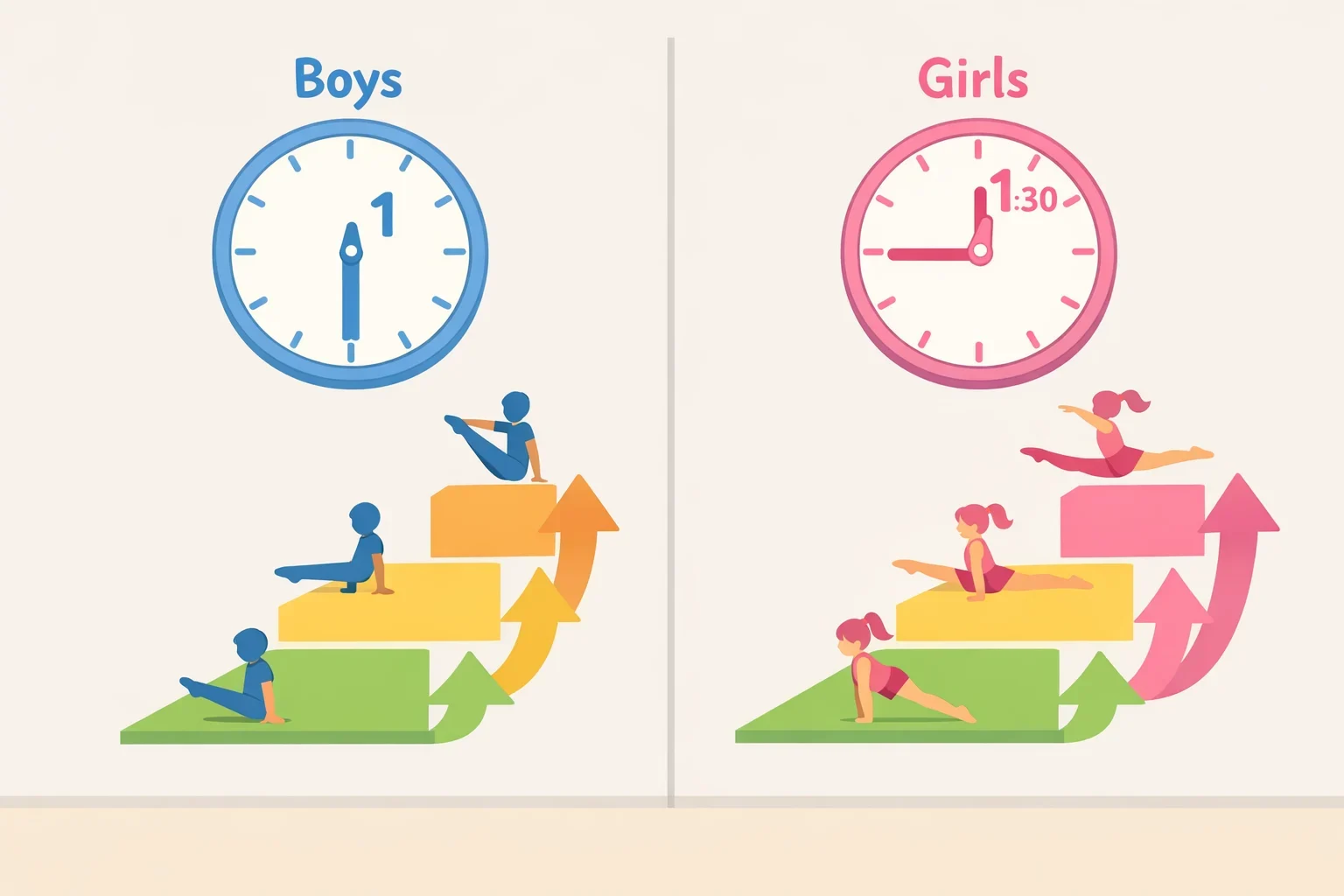
Girls high school lacrosse got its own optional clock in July. Beginning in 2027, state associations may adopt a 90-second possession clock, approved by the NFHS Girls Lacrosse Rules Committee after a separate two-year pilot in New York, according to NFHS's July announcement.
"The implementation of a possession clock has been a topic of conversation within high school girls lacrosse over the last several years," said Barb Martinichio, chair of the girls committee, in that release. She said the committee had been "monitoring the New York State Public High School Athletic Association's 90-second possession clock experiment over the past two years" before recommending it as a state option.
The boys' 70-second shot clock and the girls' 90-second possession clock came out of different committees, different pilot programs, and different time counts. Families with athletes in both sports shouldn't assume the two clocks work the same way just because both arrived for 2027 and both require state-level adoption.
What to check before the 2027 season
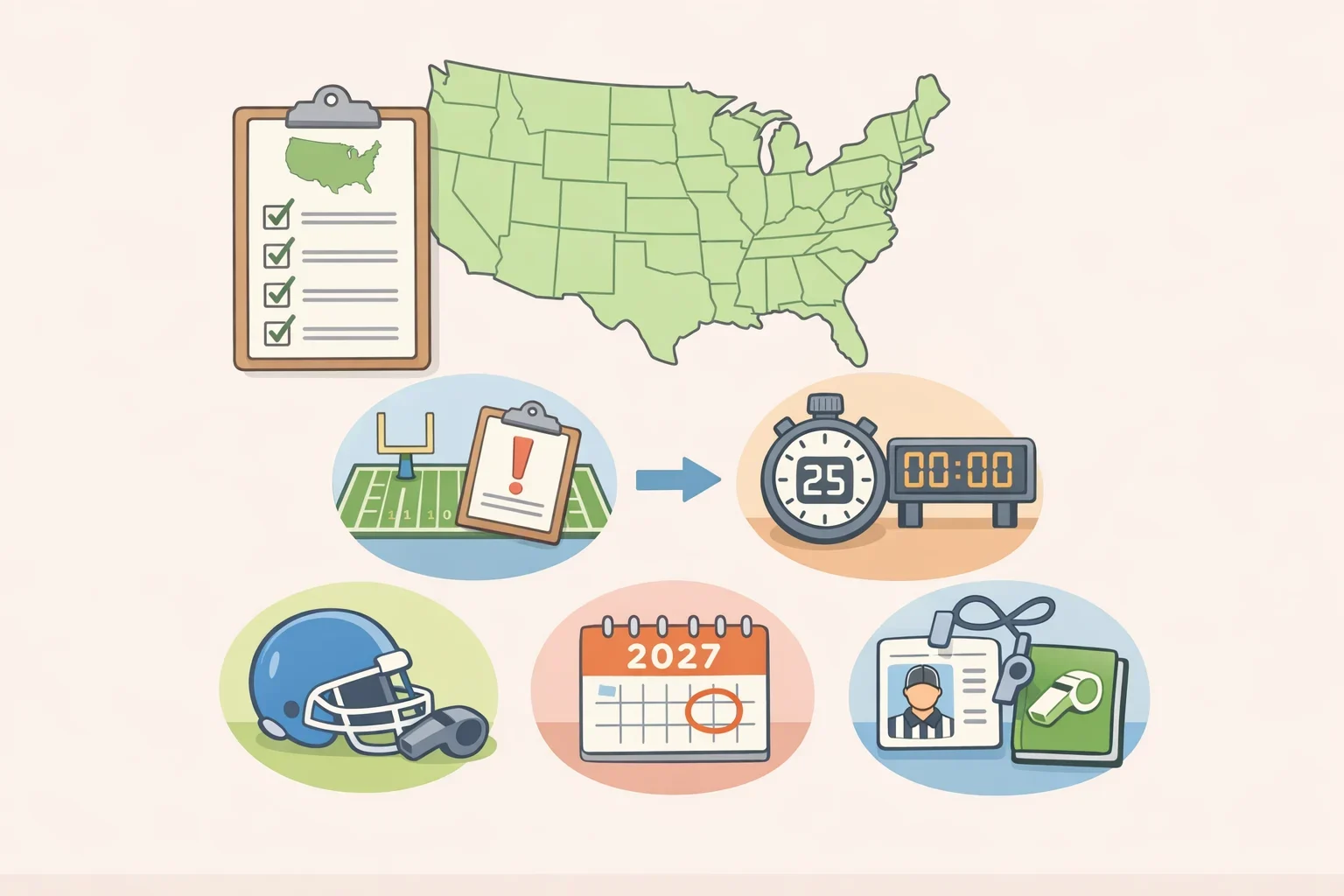
NFHS's announcement didn't identify which states plan to adopt the shot clock, so confirming that status with a state's own athletic association is the most direct way to know what applies to a given team. Boys lacrosse drew 113,696 participants across 3,346 high schools during the 2024-25 season, according to NFHS survey data, so a large number of programs have a decision pending.
The announcement doesn't say who will supply a visible game clock, staff a table official, or handle official training if a state adopts the rule. Those operational questions simply aren't addressed in NFHS's public release, and they'll likely surface as individual state associations work through implementation.
NFHS framed the shot clock and clearing changes as part of a broader effort. "The rules committee prioritized risk minimization and improving pace of play for players and spectators," said Lindsey Atkinson, NFHS director of sports and liaison to the boys committee, in the announcement.
The rule set applies to high school boys lacrosse governed by NFHS rules, and only in states that adopt the timing changes for 2027. The announcement addresses that level specifically and doesn't speak to youth leagues, club programs, or levels above high school, so any assumption about those levels should be checked against their own governing bodies.
Two mechanics remain unresolved for anyone trying to plan around this rule: how the 20-second requirement applies to an offensive-half turnover, and what happens once the shot clock hits 70 seconds. Neither is defined in NFHS's current release. The practical next step is straightforward: watch for a state association's own 2027 adoption notice, and check the official rulebook or state rules interpretation once it publishes before relying on any reading of these mechanics for game-day calls.