
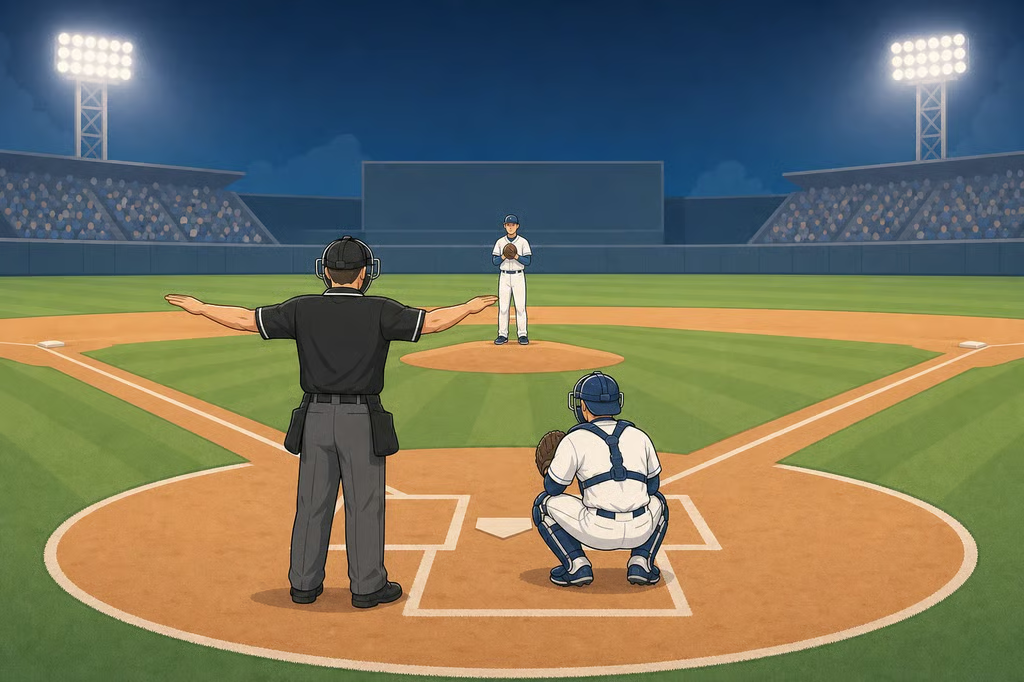
- Do MLB Playoffs Use the Ghost Runner? Rules Explained
- MLB playoff extra-inning rules: why the automatic runner does not apply
- Why the regular season uses an automatic runner and the playoffs don't
- What the 2025 World Series showed about the stakes for pitching staffs
- What stays the same in MLB postseason extra innings
- What to remember next
Do MLB Playoffs Use the Ghost Runner? Rules Explained
No, MLB playoffs do not use the ghost runner. Once a postseason game reaches extra innings, both teams bat with the bases empty, the same as any inning in regulation, according to MLB.com's postseason rules explainer. Sporting News confirmed the same rule heading into the 2025 postseason: no automatic runner gets placed on second base once October baseball moves past the ninth.
That gap between the regular season and the playoffs stopped being theoretical last October. Game 3 of the 2025 World Series went 18 innings with empty bases at the start of every frame, and both the Dodgers and the Blue Jays burned through their bullpens in ways that simply don't happen when a runner starts on second, Bay News 9/AP reported.
With the 2026 postseason approaching, it's worth knowing exactly how MLB's postseason extra-inning rules differ from the regular season, why the split exists, and what it actually costs a pitching staff when a game refuses to end. That matters for fans, coaches, and anyone trying to figure out why a playoff extra-inning game looks so different from the same matchup in June.
MLB playoff extra-inning rules: why the automatic runner does not apply
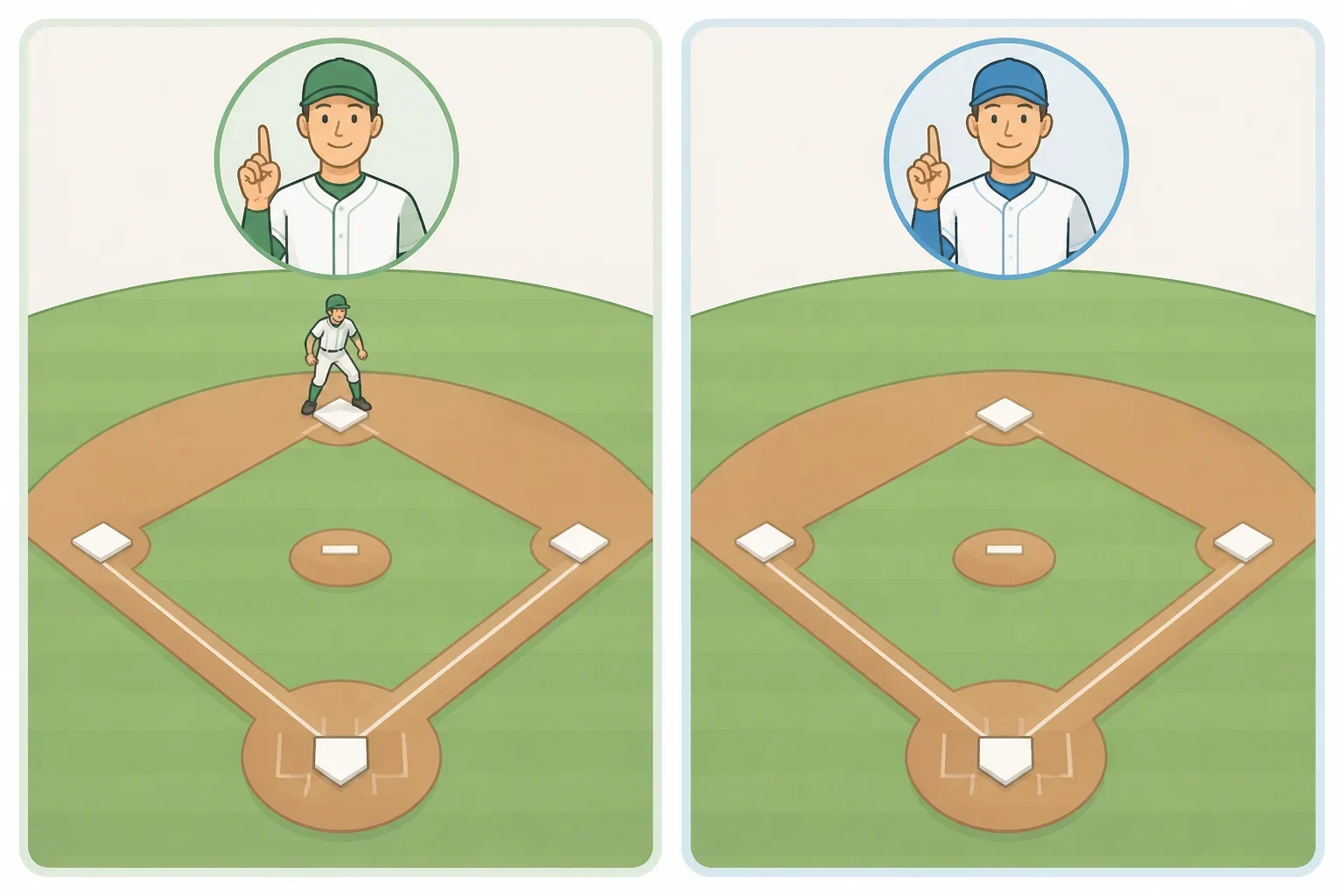
During the regular season, every extra inning starts with a runner already standing on second base, an arrangement most fans call the ghost runner or automatic runner, according to Newsweek and MLB.com. MLB introduced the rule in the pandemic-shortened 2020 season, kept it as a temporary measure through 2021 and 2022, then made it a permanent regular-season fixture in 2023, the Boston Globe reported.
The postseason never adopted it. In a regular-season 10th inning, the visiting team's leadoff hitter comes up with a runner already standing on second; in a postseason 10th inning, that same hitter starts a clean inning with nobody on base, exactly like the seventh or eighth would be, per MLB.com. That single difference is the whole answer to whether MLB playoffs use the ghost runner.
One scoring wrinkle is worth knowing here. When the automatic runner scores during a regular-season game, that run is generally charged to the pitcher as unearned rather than earned, the Boston Globe noted. Since the runner never actually reached base on a hit or a walk, official scorers treat the run as a byproduct of the rule instead of the pitcher's performance. Anyone tracking ERA closely across formats should double-check the current scoring guidance each year, since MLB has revised its extra-inning procedures more than once since 2020.
Why the regular season uses an automatic runner and the playoffs don't
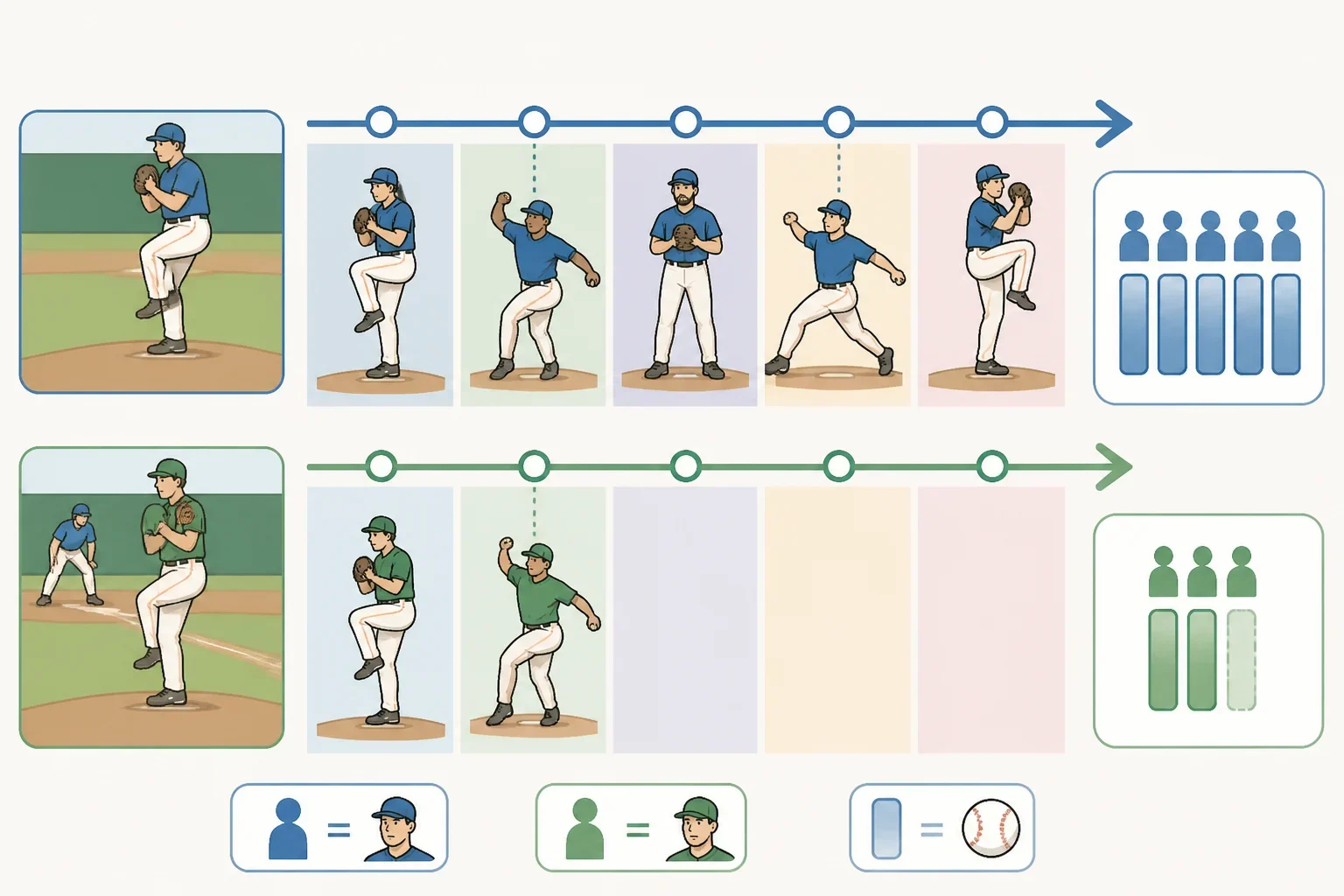
MLB built the automatic runner rule to shorten games and reduce pitcher workload across a 162-game schedule, Newsweek reported. By that measure, it has worked. In the six regular seasons that have used the rule, the longest extra-inning game ran 16 innings, a Dodgers win over the Padres in August 2021, and in the 2025 regular season, all 209 games that went to extra innings finished by the 13th, according to Bay News 9/AP.
MLB has not published an official explanation for why the postseason sticks with the old format. What exists instead is a running argument among the managers who live with the split every October. Dodgers manager Dave Roberts made his position clear after Game 3: "I think that it's baseball in its truest form and part of winning a seven-game series is if there are games like that, then to have to go through the battle of attrition with pitching. So I do like the way it is, and also for the regular season the way it's structured," he said, per Bay News 9/AP.
Blue Jays manager John Schneider was less settled on the question, even while calling himself a traditionalist. "It's kind of unique because that's how you play for 162, and then that goes away. But with that, I think you've got to structure your roster accordingly to try to handle some of those situations," Schneider said. Asked directly whether he'd want the automatic runner in October, he told Newsweek, "I don't know. I would be in favor of the challenge system that's being implemented next year." Neither manager committed to wanting the rule changed, which says something about how unsettled the debate still is.
What the 2025 World Series showed about the stakes for pitching staffs
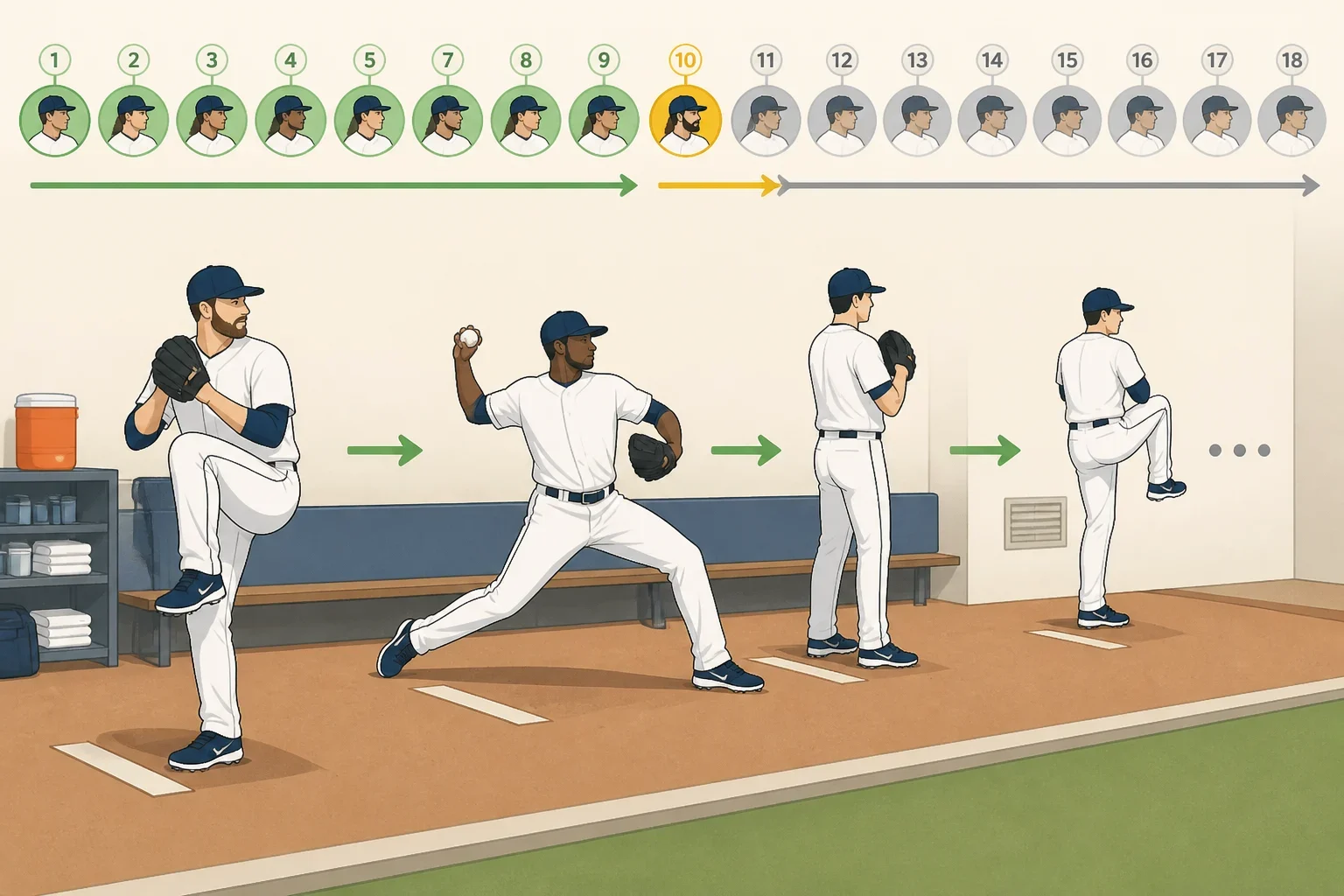
Game 3 of the 2025 World Series is the clearest recent example of what a ghost-runner-free postseason extra-inning stretch can do to a bullpen. The game ran six hours and 39 minutes across 18 innings, Newsweek reported, and both rosters were nearly out of arms by the end of it.
Will Klein became the Dodgers' Series-record 10th pitcher used in the game, doubling his previous career highs by throwing four innings and 72 pitches, per Bay News 9/AP. Behind him, Yoshinobu Yamamoto had already warmed up to pitch a potential 19th inning, just two days after throwing 105 pitches to close out a complete-game win in Game 2. Roberts said that if Yamamoto couldn't go, the next option would have been reserve infielder Miguel Rojas, who made four mop-up pitching appearances during the regular season.
Toronto's bullpen was thinning out just as fast. Shane Bieber, Toronto's scheduled Game 4 starter, was already in the bullpen by the 17th inning, and rookie right-hander Trey Yesavage, lined up to start Game 5, would have been the last arm available before a position player had to take the mound, Bay News 9/AP reported. Roberts summed up how close both teams came to an unusual finish: "There was a point where I was like, we might see two position players in the World Series going back and forth," he said.
That kind of scenario doesn't come up in a regular-season extra-inning game, where the automatic runner usually settles things well before a bullpen runs dry. It's a direct, visible consequence of how MLB's postseason extra-inning rules diverge from the format teams play under for six months of the year.
What stays the same in MLB postseason extra innings
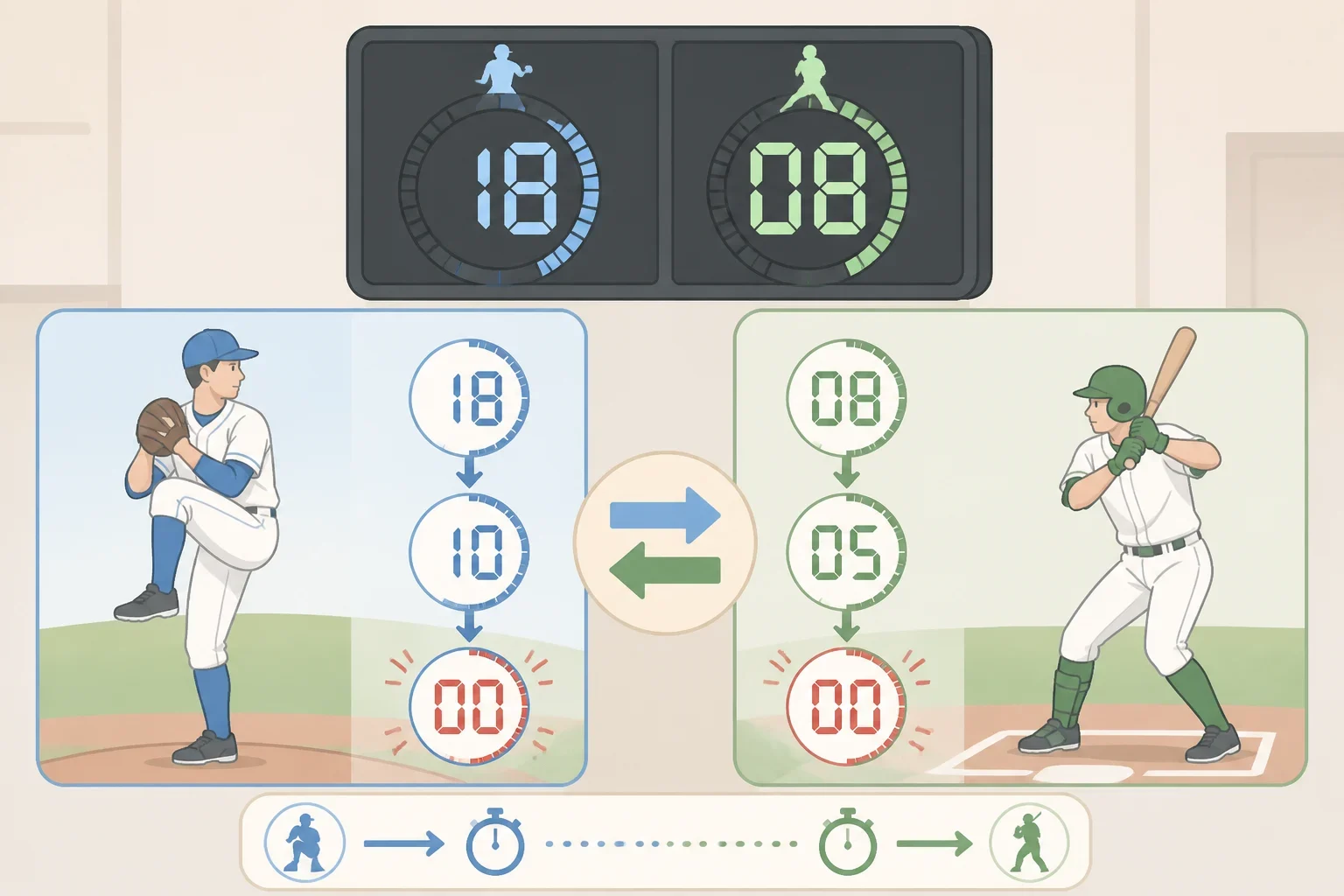
The ghost runner is the headline exception, not a sign that the playoffs drop modern pace-of-play rules altogether. The pitch timer introduced in 2023 still applies in October exactly as it does in the regular season, MLB.com confirms.
Pitchers still get 15 seconds to begin their delivery with the bases empty and 18 seconds with runners on, or the umpire calls an automatic ball, per MLB.com. Batters face the same clock from the other side: they need to be in the box and alert to the pitcher by the eight-second mark or take an automatic strike. Extra-inning postseason baseball moves at the same pace as the rest of the game. It just starts each half-inning with nobody on base.
What to remember next
MLB's extra-inning format has changed more than once since it first appeared in 2020, moving from a pandemic-era experiment to a temporary trial to a permanent regular-season rule by 2023. The postseason has stayed on the old format through all of it, and both Roberts and Schneider made clear last October that whether that should change is still an open question for the people managing through it.
Before the 2026 postseason begins, it's worth a quick check of MLB.com's official rules page to confirm the format hasn't shifted again. Given how often MLB has revisited its extra-inning rules over the past few years, that's a five-minute check worth making before a marathon October game catches a bullpen off guard.