
- MLB ABS Challenge System rules 2026: how it works
- Who can challenge, and how fast they have to do it
- How MLB ABS challenges work during a sequence
- The strike zone isn't identical for every hitter
- What the testing data actually showed
- What's confirmed, and what isn't, for October
- What to check as October plays out
MLB ABS Challenge System rules 2026: how it works
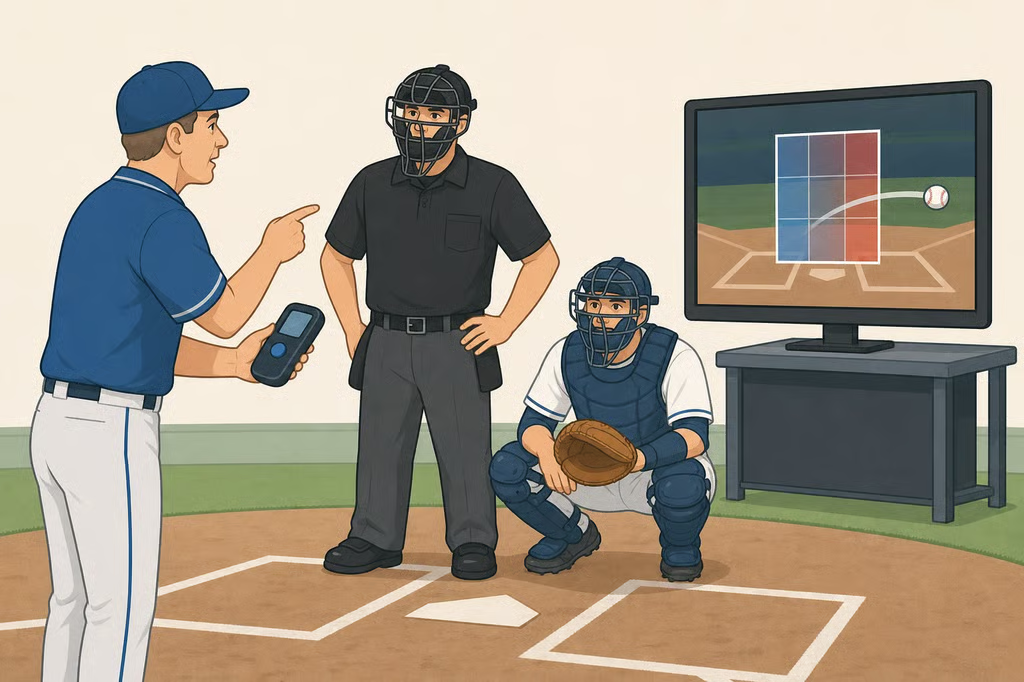
MLB's Automated Ball-Strike Challenge System has run in every game at an MLB ballpark since Opening Night, giving players a new way to contest a home-plate umpire's ball or strike call. The ABS Challenge System rules for 2026 apply leaguewide, following approval from the league's Joint Competition Committee and testing in the minors since 2022 and in MLB spring training last year, according to MLB.com.
Three regular-season games were the only exceptions this year: the Mexico City Series between the Diamondbacks and Padres (April 25-26), the Field of Dreams game between the Twins and Phillies (Aug. 13), and the Little League Classic between the Brewers and Braves (Aug. 23). None were played at a standard MLB park with the infrastructure to support the system, per MLB.com, and all three have already happened this season.
The system debuted on Opening Night when the Giants hosted the Yankees in the first live MLB broadcast on Netflix, MLB.com reports. The league has published the system's operating rules in detail. What's less settled, as of this week, is whether those same rules carry into the postseason, since the sources reviewed here don't include a postseason-specific ABS announcement.
This piece breaks down how a challenge actually works, what viewers see on screen, what the testing data showed before the system went live, and where the available reporting stops short of confirming postseason details.
Who can challenge, and how fast they have to do it
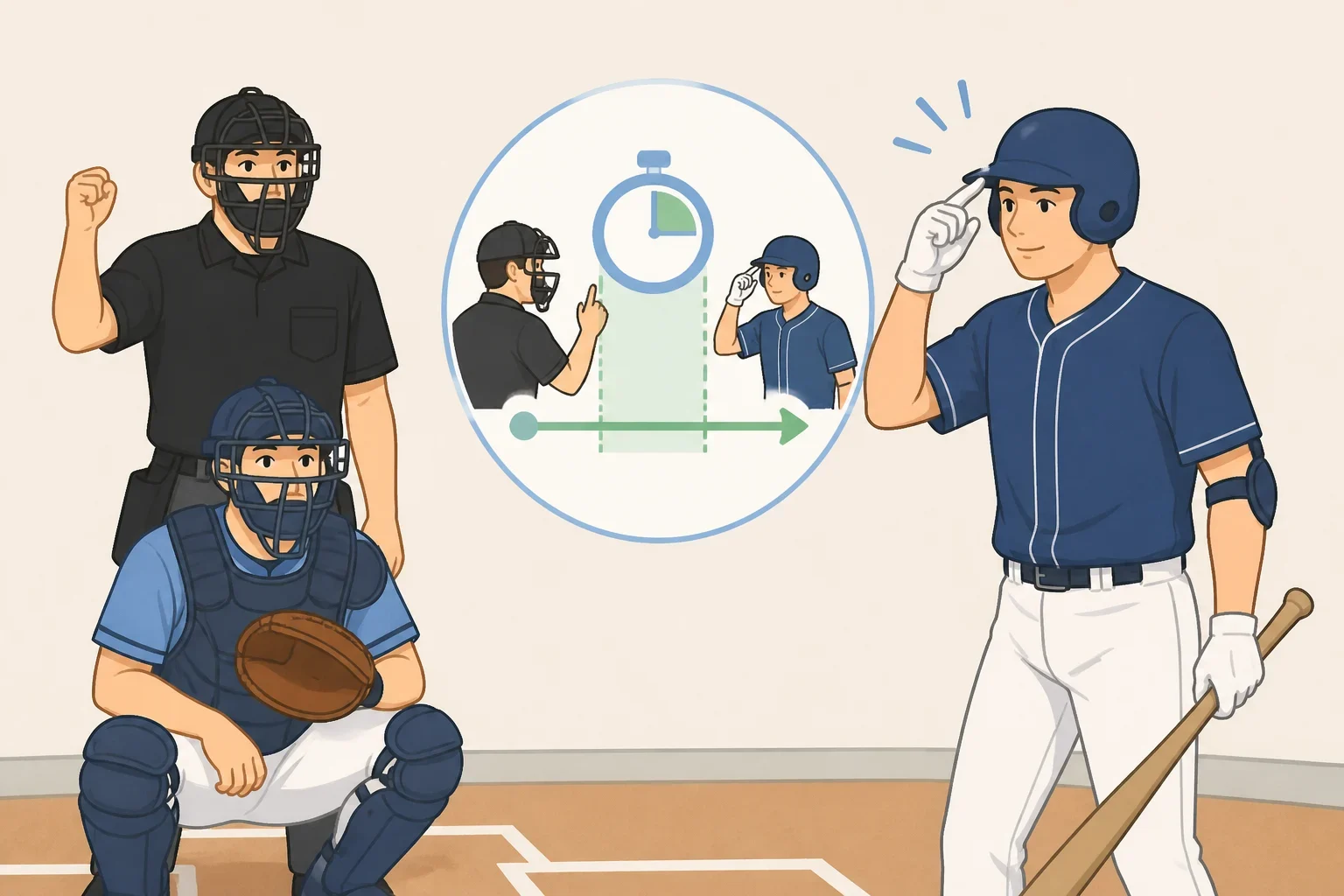
Only three people on the field can initiate a challenge: the batter, the pitcher or the catcher. A manager cannot call for one, no matter how obvious the missed call looks from the dugout, according to MLB.com.
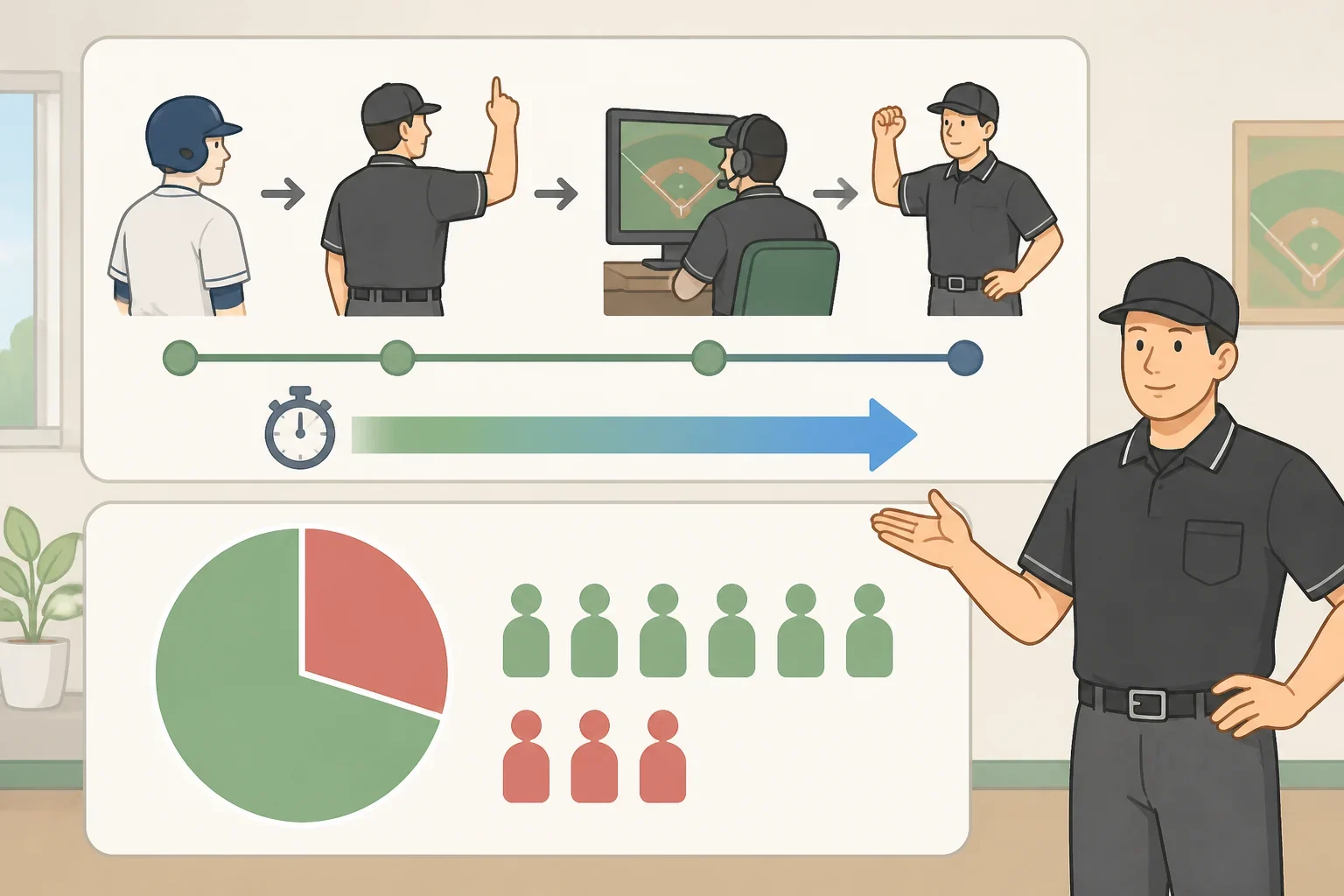
The challenge has to happen almost instantly. A player taps his cap or helmet within roughly two seconds of the umpire's call, and that tap is the official challenge, with no help allowed from teammates or coaches, per MLB.com.
Each team starts a game with two challenges. A club only loses one if the umpire's original call is confirmed; an overturned call costs nothing, MLB.com explains.
Extra innings reset the challenge count in a specific way. A team that enters extra frames with zero challenges remaining gets one fresh challenge for the 10th inning, another for the 11th if it uses the first, and so on. A team still holding a challenge heading into the 10th doesn't get a bonus; it simply keeps what it has, according to MLB.com.
How MLB ABS challenges work during a sequence
Picture a two-strike pitch on the outside corner that gets called a strike. The batter taps his helmet before stepping out of the box.
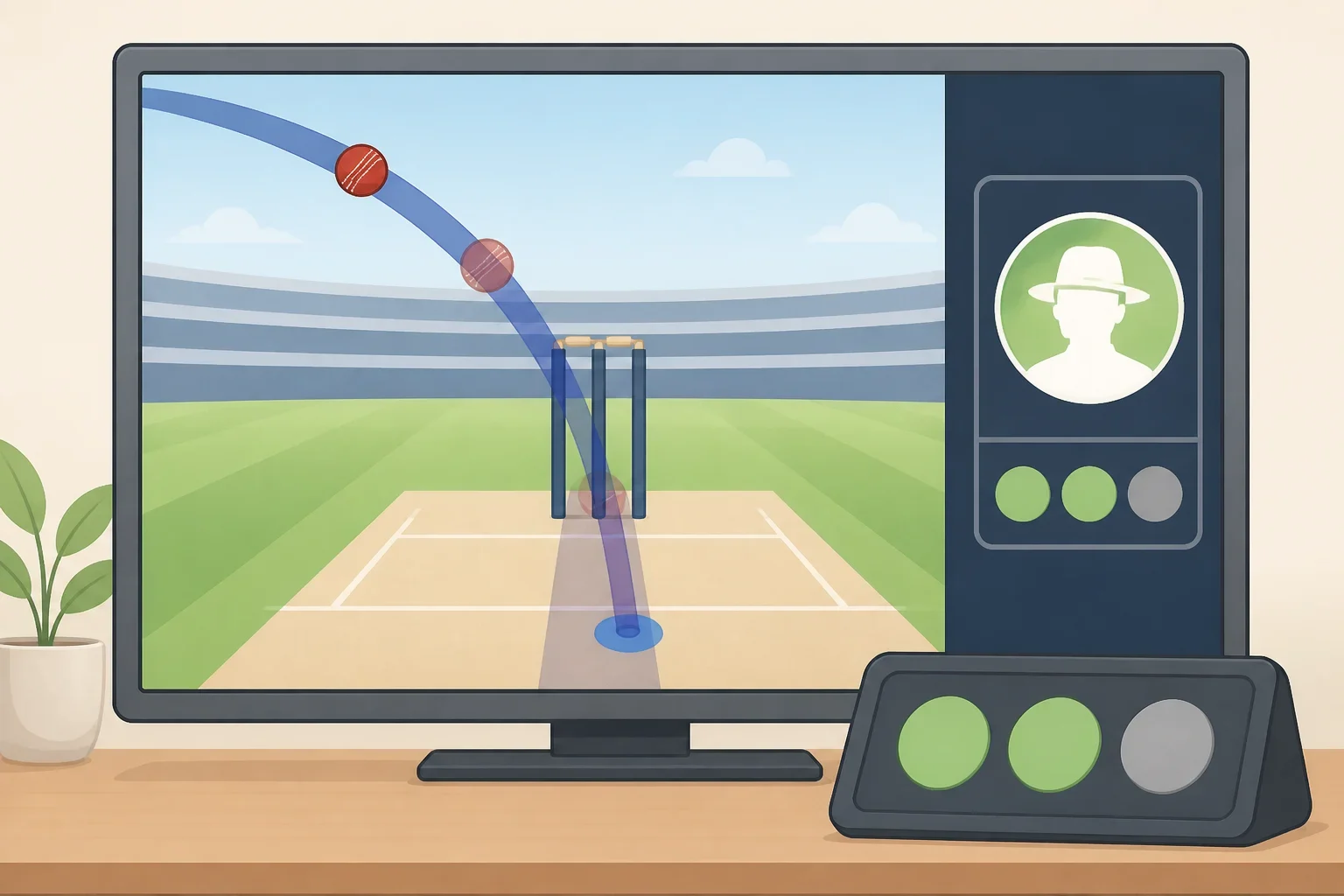
Within seconds, an animated graphic showing the pitch's tracked location appears on the ballpark videoboard and on the broadcast, nearly instantaneously, so everyone in the stadium and watching at home sees the same result, MLB.com reports. Clubs are required to display each team's remaining challenge total on the scoreboard, labeled with the code "ABS," per MLB.com.
If a challenge and a conventional replay review both come up on the same play, the ABS challenge is resolved first. Only after that does an umpire check whether either manager wants to initiate a standard replay review, and then the pitch clock restarts, according to MLB.com. It's a brief pause, not an extended delay.
Technology hiccups are rare but accounted for. During spring training testing last year, only four pitches out of 88,534 couldn't be tracked due to glitches, MLB.com notes.
When a pitch is tracked but the graphic can't display on the board, the ABS operator relays the result to the home-plate umpire verbally, who informs both dugouts. When a pitch can't be tracked at all, the original call stands, regardless of whether the scoreboard graphic is working, per MLB.com.
The strike zone isn't identical for every hitter
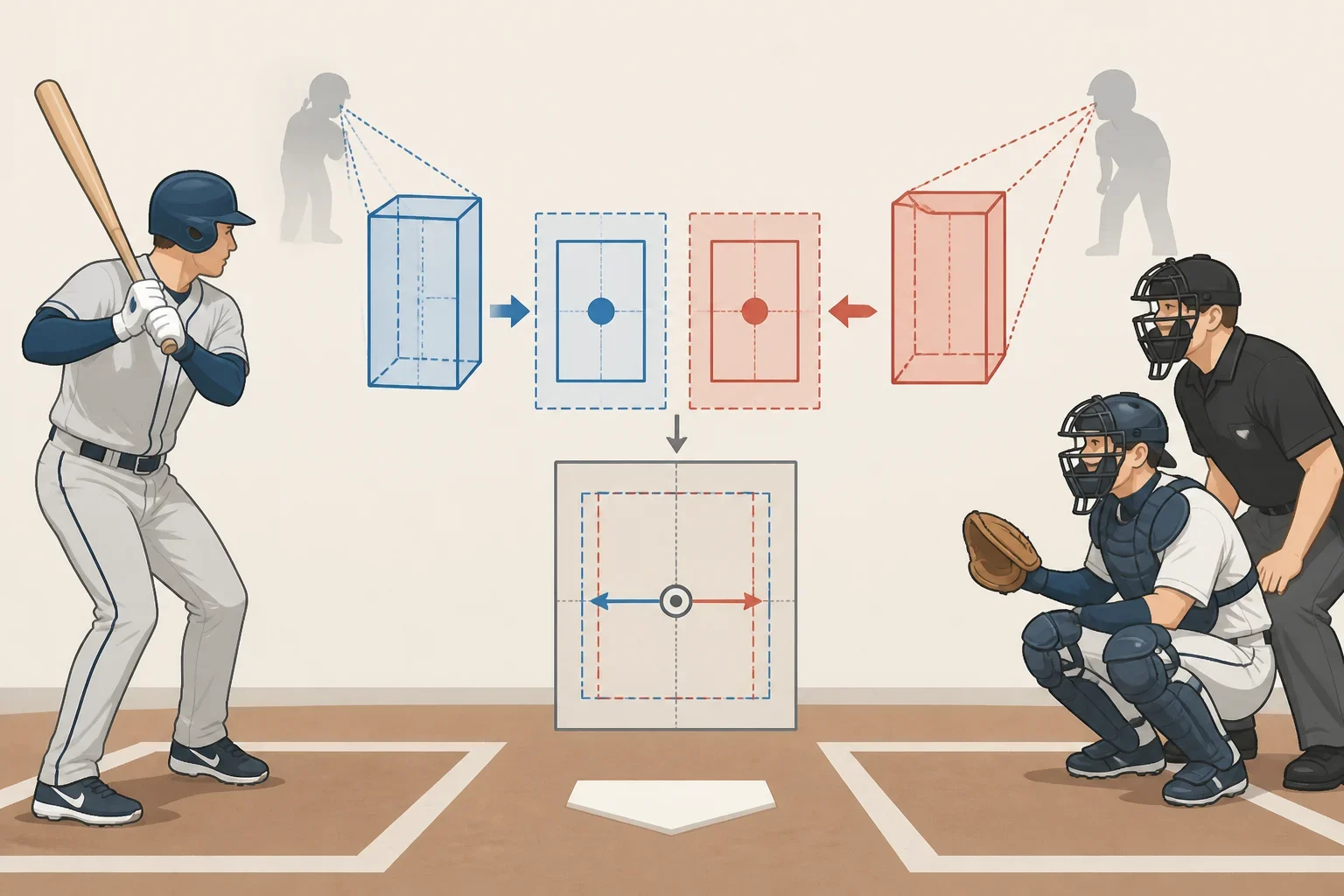
ABS doesn't check a pitch against one universal box. It measures the pitch against that specific batter's own zone, calculated from his height, according to MLB.com. The zone's dimensions, per MLB's explainer:
- 17 inches wide, matching the width of home plate
- Top of the zone set at 53.5% of the batter's height
- Bottom of the zone set at 27% of the batter's height
- Depth of 8.5 inches measured from the center of the plate toward both the front and back edges
MLB says the umpire-called zone has generally run more rounded and more forgiving to pitchers, topping out around 55.6% of a batter's height and bottoming out near 24.2%, per MLB.com. In 2-2 counts specifically, MLB found the umpire-called zone covered about 449 square inches compared to 443 for the ABS zone, a small but real difference.
Despite the rulebook describing the strike zone as a three-dimensional box, the ABS zone used for challenges is two-dimensional, measured at the center of the plate rather than the front edge where TV broadcasts used to draw it, according to MLB.com. Moving that measurement point to the plate's center produced results that lined up more closely with how the zone has traditionally been called. MLB's testing suggests the ABS zone may slightly reduce strikeout rates and slightly increase walk rates across the league.
Fans watching at home shouldn't expect the Gameday app or the broadcast strike-zone box to update live, either. MLB has delayed pitch-location data and the live strike-zone feed by a few seconds, and clubs are barred from running their own ball-tracking systems during games, per MLB.com. The league also reviews video from all challenges to monitor for suspicious behavior, per MLB.com.
What the testing data actually showed
Before the system touched a regular-season game, MLB ran it through 288 spring training games last year. Players averaged 4.1 challenges per game, and each challenge took about 13.8 seconds to resolve, adding roughly 57 seconds of total game time on average, according to MLB.com. That 57 seconds gave back only a small portion of the 26 minutes the average game had already shed between 2022 and 2025, per the same source.
Players challenged just 2.6% of all called pitches during that spring training trial, and 52.2% of those challenges succeeded, a higher overturn rate than the roughly 50% rate seen in Triple-A testing a year earlier, MLB.com reports. Pitchers and catchers won their challenges more often than hitters did (54.4% versus 50.0%), and overturn rates tended to drop as games went on, from 60% in the first three innings down to 43% in innings seven and eight before ticking back up to 46% in the ninth.
Pitch counts barely moved under the new system. Triple-A testing showed pitches per plate appearance dipping only slightly, from 3.92 to 3.90, while the MLB spring training figure held flat at 3.92, according to MLB.com.
MLB's own spring training polling found 72% of surveyed fans said the challenge system improved their experience, and 69% said they'd like the league to move toward full automated ball-strike calling rather than the current challenge-only format, per MLB.com. Those figures reflect fans MLB surveyed during exhibition games, not an independent poll.
That data all comes from spring training and Triple-A testing, not October baseball with a playoff spot on the line. It shows challenges tend to be quick and relatively infrequent, but it doesn't guarantee players will use them the same way, or as sparingly, when a single call could decide a series.
What's confirmed, and what isn't, for October
MLB's explainer states the system runs in every game at an MLB ballpark. That phrasing strongly implies postseason use at standard home venues, though it never uses the word "postseason" directly, according to MLB.com. As of this week, the sources reviewed here do not include a postseason-specific ABS rules memo or operations announcement.
The pitch clock offers one useful precedent for how postseason procedure has held up before. In 2023, the clock's first postseason, between-inning breaks ran 30 seconds longer than they did during the regular season, a built-in adjustment that carried over once October started, per Sports Illustrated. That example shows MLB has adjusted clock procedure for the postseason before without touching the underlying rule. Whether anything similar applies to ABS challenge procedure for the 2026 postseason isn't addressed in the sources reviewed for this piece.
What to check as October plays out
Watch the "ABS" line on the scoreboard each half-inning; it shows how many challenges each team has left, not whether a prior challenge succeeded. Only the batter, pitcher or catcher can call for one, and they have to do it almost instantly, within about two seconds of the call.
Baseball Savant will add ABS information to its public data, including which catchers are most successful at challenging calls, per MLB.com. That's worth checking after the World Series for a fuller season-long picture. For anything specific to postseason procedure, check MLB's official channels directly rather than assuming this year's regular-season ABS rules carry over unchanged.