
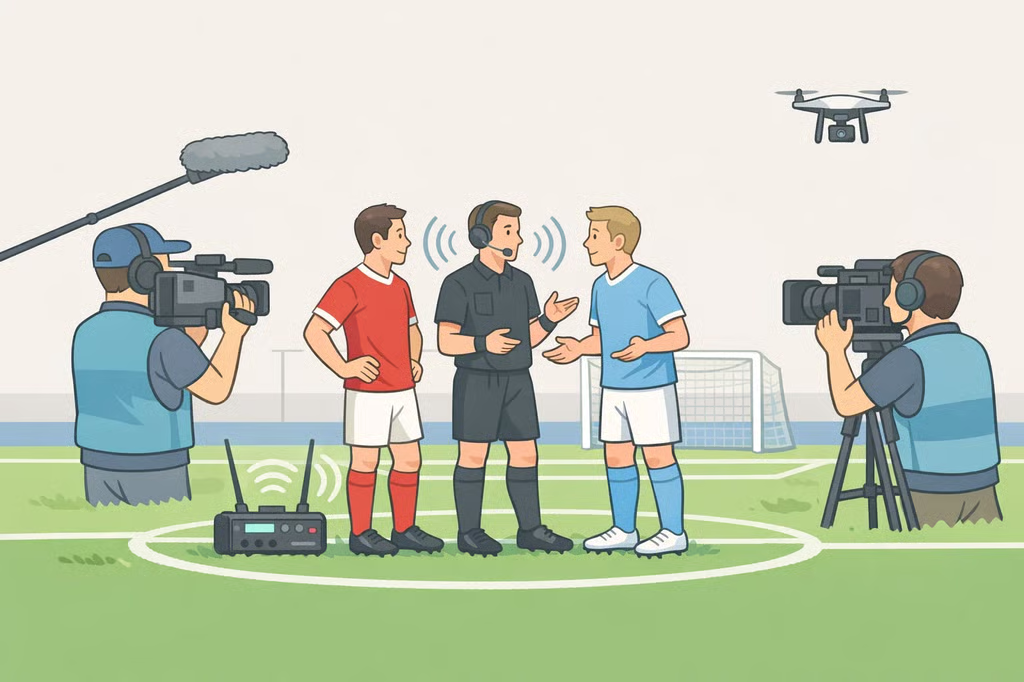
Premier League Referee-Player Conversations Broadcast Live
Premier League referee-player conversations broadcast live will reach Sky Sports and TNT Sports viewers for the first time this season, opening a small window into on-field officiating exchanges that have never aired during live coverage before, according to The Independent. The change could debut Friday night, when defending champions Arsenal host newly promoted Coventry City at the Emirates Stadium, though the report frames that fixture as a possible first use rather than a confirmed one.
The permission itself is narrow. Sky Sports and TNT Sports will be permitted to air one or two on-field incidents per match round, and any exchange tied to a decision sent to the Video Assistant Referee still cannot be broadcast live under International Football Association Board rules (The Independent). With only one or two clips cleared for an entire round of fixtures, most matches broadcast that weekend would be expected to carry none of this audio, though the report itself does not state that figure directly.
How the Premier League referee audio allowance works
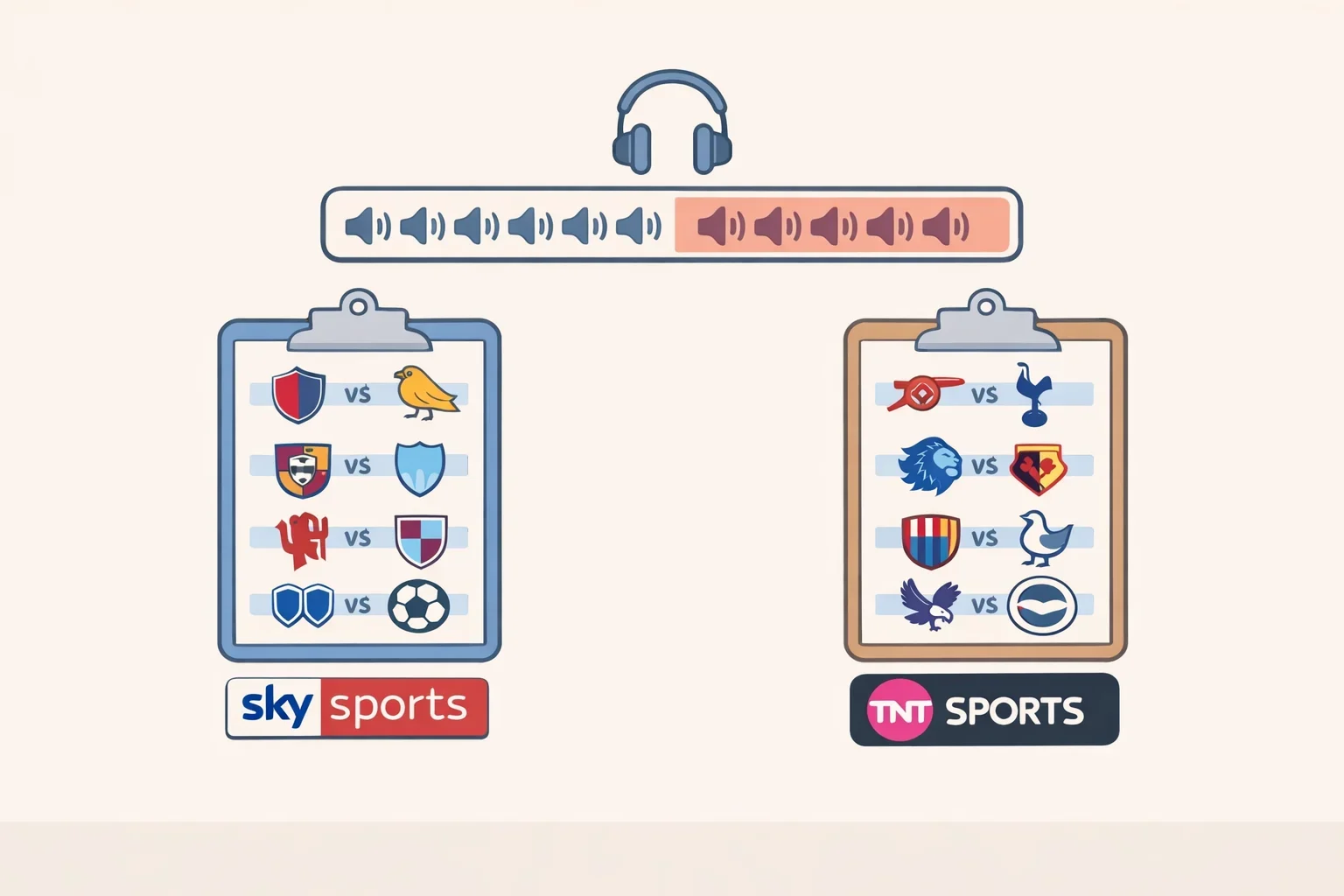
The report does not clarify whether that one-or-two-incident allowance is shared by Sky Sports and TNT Sports or applies separately to each broadcaster (The Independent). That distinction matters. A shared quota means the two broadcasters compete for the same handful of clips across a round. Separate quotas would roughly double the total number of exchanges that could reach air.
The report also does not identify which types of on-field exchanges will be selected, or whether team captains will be the primary participants in them. Non-VAR on-field incidents fall within the reported permission, but which specific moments get chosen, and who makes that call, has not been confirmed.
Friday's Arsenal v Coventry City opener is the fixture most likely to test the new arrangement first, simply because it is the season's opening broadcast. The Independent's report says the audio "could" air there, not that it will, and nothing in current reporting locks that match in as the confirmed debut.
Why VAR conversations stay off the live broadcast
IFAB's Laws of the Game block live audio broadcast of any incident once it has been referred to VAR, and that restriction sits above whatever allowance Sky Sports and TNT Sports receive this season (The Independent). A referee's on-field explanation of a non-VAR incident can be cleared for live audio under the new allowance. Once that same type of incident is sent upstairs for review, the audio protection applies, regardless of how the on-field version was handled.
IFAB secretary and chief executive Lukas Brud addressed the broader question of VAR audio directly in 2023. "I categorically say no, they shouldn't," Brud told BBC Radio 5 Live Breakfast, adding that broadcasting VAR audio live would be "chaotic" to listen to and could create "an unsafe environment for referees" (BBC Sport). Current reporting on the Premier League's new arrangement gives no indication that position has shifted.
IFAB has approved something narrower than live audio: testing whether referees can announce VAR decision outcomes after a review concludes. FIFA trialled that transparency measure at select competitions, including the 2023 Women's World Cup (BBC Sport). Announcing a result to the stadium and viewers is different from broadcasting the deliberation itself, and reporting doesn't confirm the announcement trial as a standing Premier League practice this season.
Brud's comments followed a wider debate about VAR reliability. PGMOL had acknowledged that standards "fell short of expectations" in a separate refereeing incident around that time and released a set of "key learnings" meant to reduce the risk of similar errors (BBC Sport). The same BBC report also cited a Burnley-Bournemouth match in which VAR took more than five minutes to rule out a late goal for offside, an example of the sort of extended review that would remain unheard by viewers under IFAB's rule.
Other tests of officiating access: Ref Cams and a blocked microphone plan
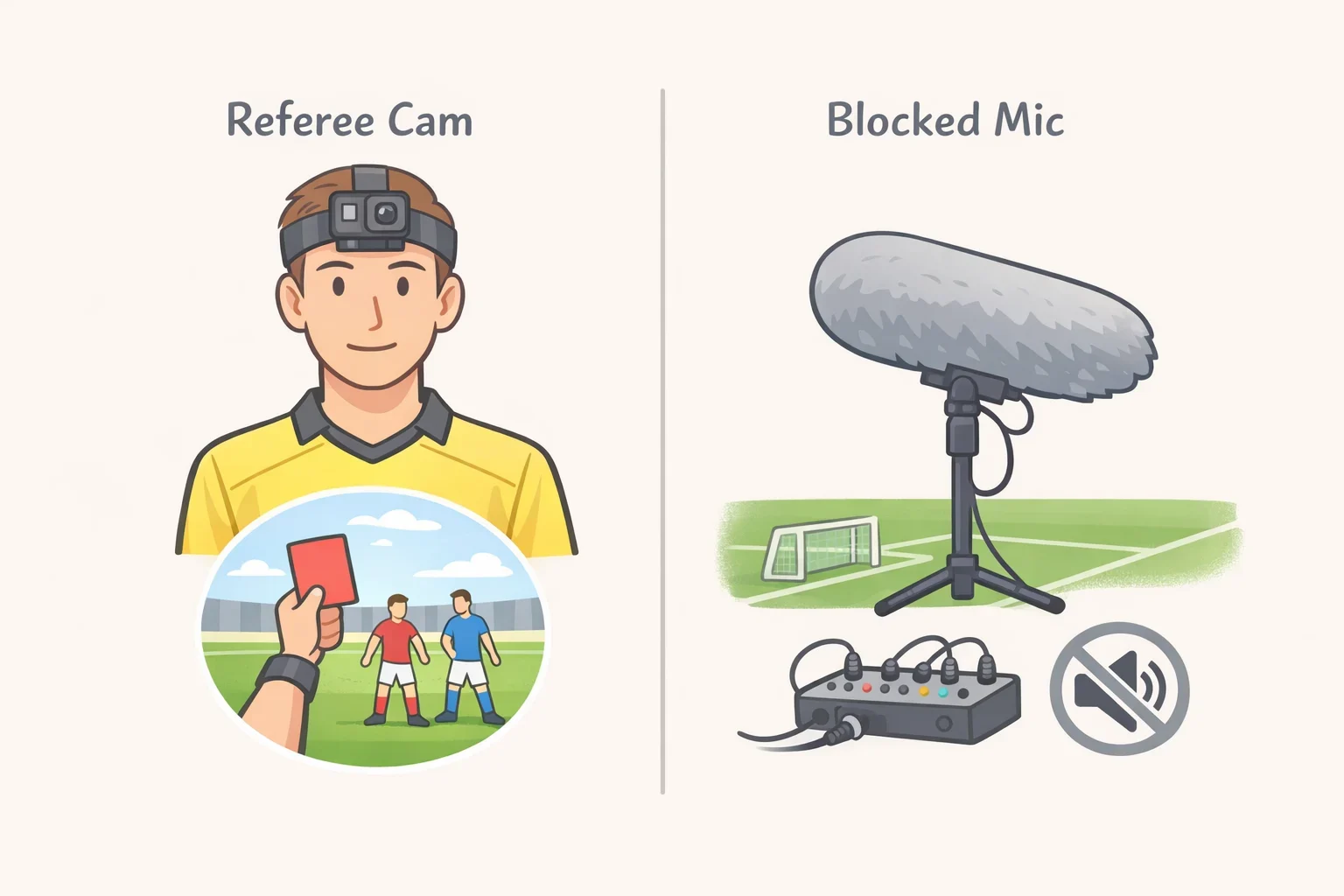
This isn't the Premier League's first attempt at closer broadcast access to officials. Ahead of the 2025-26 season, the league announced plans to test referee Ref Cams in selected matches during that season's opening round of fixtures, with an eye toward making the footage a permanent part of live TV coverage if the trial worked (The Guardian). That report describes plans to test the technology, not confirmed results, and nothing in current reporting establishes whether the trial succeeded or whether this season's referee-player audio permission grew out of it.
IFAB has also blocked broadcast microphone plans elsewhere in the sport, though in a different context. Sky Sports once planned to air live audio from Hibernian manager Nick Montgomery during a Scottish Premiership match against Hearts, with his assistant wearing a body cam so viewers could hear his touchline coaching (STV News). The Scottish FA said it did not block the plan itself but checked it with IFAB after learning about the proposal, and was told the intended use wasn't permitted under Law 4, which restricts electronic communication for team officials to matters of player welfare, safety, or tactical and coaching reasons (STV News). That case involved a manager's touchline microphone under a different law than the one governing referee VAR audio, and it offers no direct evidence about how the Premier League's new referee-player arrangement will be administered.
What's confirmed and what isn't
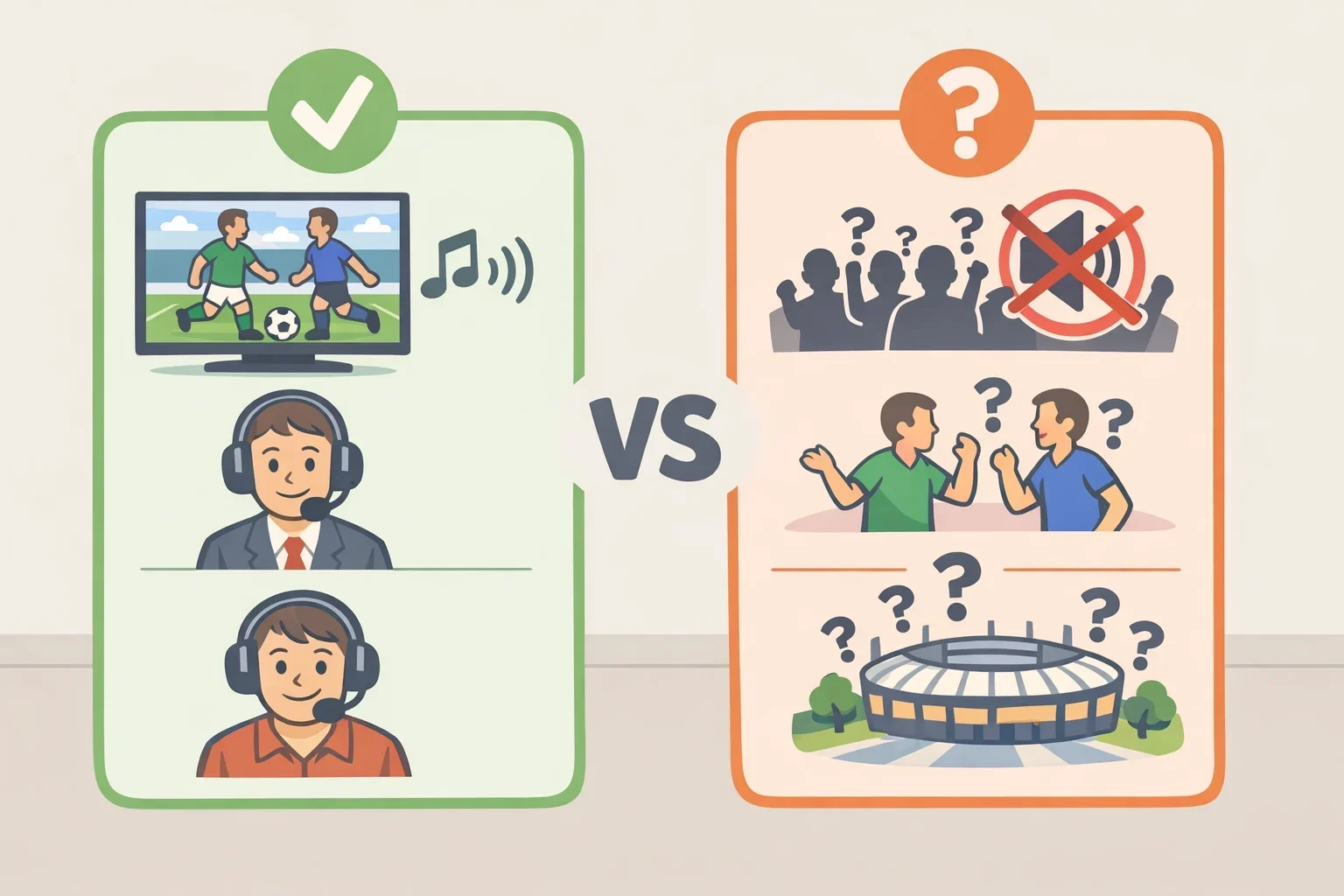
Sky Sports and TNT Sports can air one or two on-field referee-player incidents per match round this season, and any incident sent to VAR is excluded from live audio, regardless of how the on-field version was handled (The Independent). Friday's Arsenal v Coventry City match is the fixture most likely to carry the first clip, though the report stops short of confirming it will.
How the quota splits between the two broadcasters, who selects which incident airs, and whether clips reach viewers live or after a short delay remain open questions. The available reporting does not confirm those details, and the Premier League, PGMOL, and IFAB have not addressed them publicly as of this week. The season's opening broadcasts will be the first real test of how the allowance gets applied in practice.