
Trump Iran war threats and walk-backs: a fourth pause
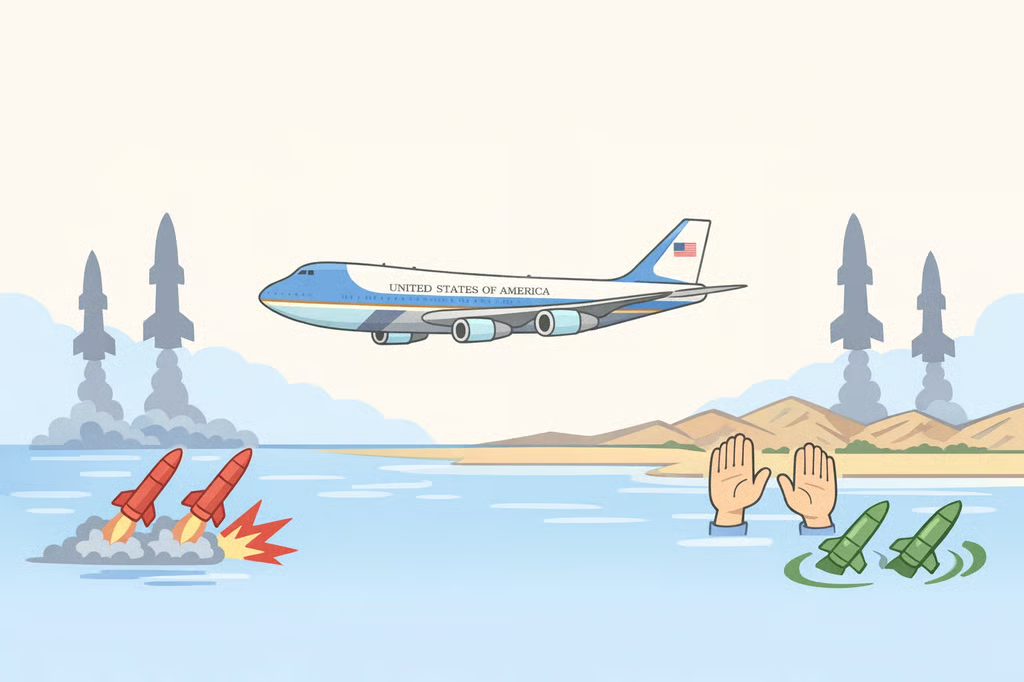
President Trump said late Saturday he was seeing signs of progress toward ending the war with Iran and was calling off a planned wave of "massive" strikes, AP reported. Aboard Air Force One on Sunday, he told reporters that talks to end the war would begin Monday afternoon, covering the Strait of Hormuz and Iran's nuclear program, per AP and BBC. Iran's Foreign Ministry disputed that account Monday: spokesperson Esmaeil Baghaei told reporters, "We currently do not have negotiations with America," per NBC News.
This marks at least the fourth round of Trump Iran war threats and walk-backs since fighting began Feb. 28, following similar cycles in April, May and June. AP has documented a recurring shape to these episodes: a warning of overwhelming force followed by a last-minute reversal, sometimes credited to Gulf allies, AP reported. What has varied each time is how much of the claimed diplomatic breakthrough behind the pause was ever independently confirmed.
The pattern behind Trump's Iran war threats and walk-backs

The table below separates what Trump has claimed from what has been publicly reported and what actually followed, since those three things have not lined up the same way twice.
Episode Trump's claim Publicly reported mechanism Outcome April Strikes on bridges and power plants if Iran didn't capitulate; Trump warned "a whole civilization will die" (BBC) Two-week ceasefire announced under two hours before the deadline; face-to-face talks in Pakistan led by Vice President JD Vance (BBC) Talks ended without a deal (BBC) May 18 Days of threats ahead of a major planned strike (AP) Trump credited unnamed Iranian officials and Gulf allies with persuading him toward restraint (AP) No confirmed diplomatic outcome identified in the available reporting June Threat to hit Iran "VERY HARD" and seize its Kharg Island energy base (AP) Memorandum of understanding signed outlining a process for talks (NBC News) Reprieve lasted until early July, when Trump declared the ceasefire "over" and strikes resumed (NBC News) August (current) Trump said talks on Hormuz and the nuclear program would begin Monday (AP, BBC) Iran reported separate discussions with Oman over a temporary shipping route through Hormuz (NBC News) Disputed as of Monday; Iran's Foreign Ministry said no U.S. negotiations were underway (NBC News)
The April pause came less than two hours before a deadline Trump had set for Tehran to capitulate or face strikes on bridges and power plants, AP reported. That reversal produced a real face-to-face meeting in Pakistan, though it did not result in a deal, BBC reported.
By May 18, after days of renewed threats, Trump said "serious negotiations" were underway and credited Gulf allies with persuading him to hold off, AP reported. No named meeting, document or channel appears in that reporting, a gap in the available coverage rather than proof no such channel existed.
In June, Trump threatened to hit Iran "VERY HARD" and seize its energy base on Kharg Island to "assume total control" of the country's oil and gas markets, then said he was calling off strikes after claiming talks had progressed with senior Iranian officials, AP reported. The two sides signed a memorandum of understanding that same month laying out a process for talks, NBC News reported. The reprieve lasted until early July, when Trump declared the ceasefire "over" and strikes resumed, according to the same report.
What's confirmed and what Iran disputes this week
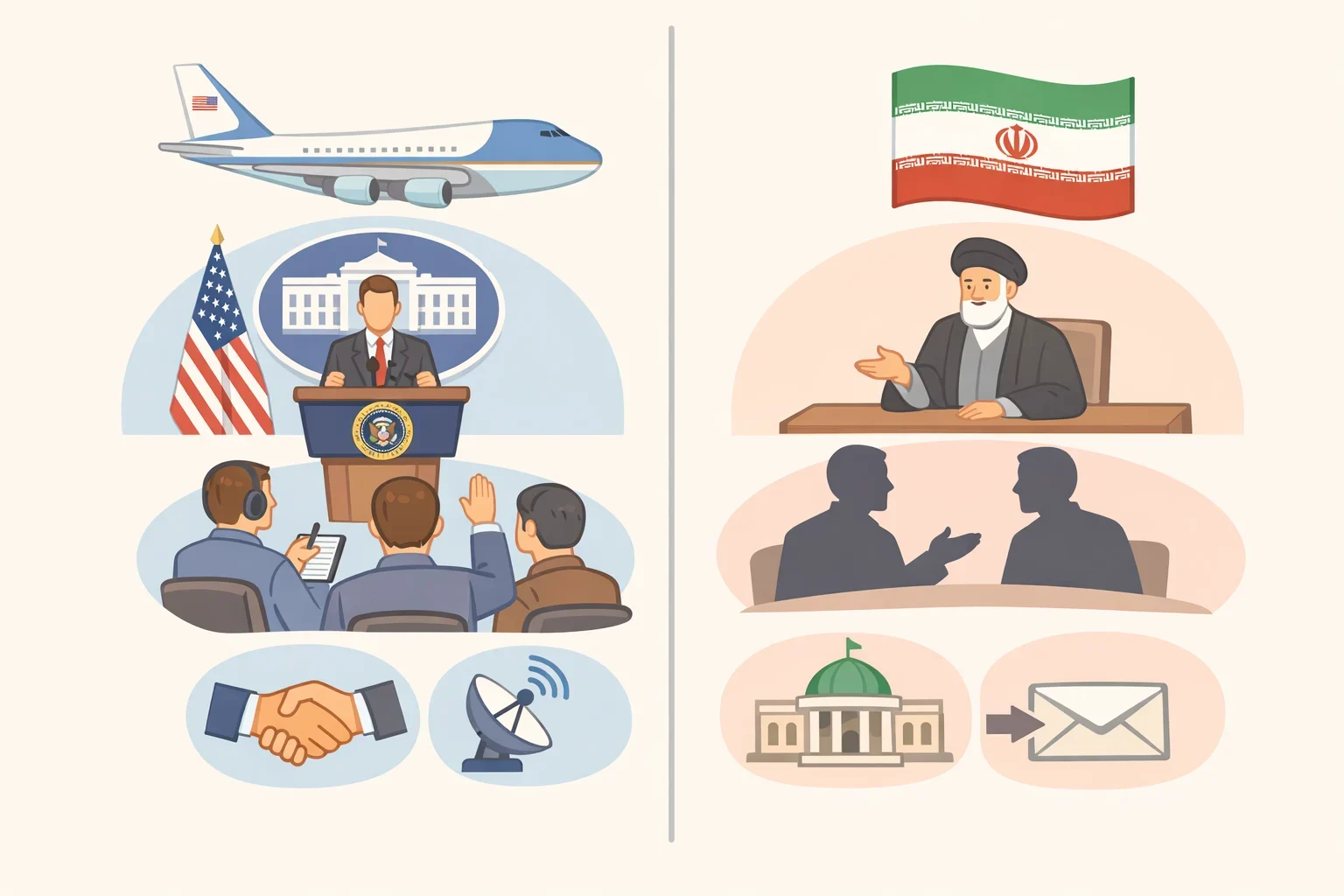
Trump's reversal came after the State Department urged Americans across the Middle East on Saturday to consider leaving the region or prepare for short-notice departures, warning of flight disruptions and security risks, per NBC News. After that warning, Trump said on social media he saw signs of progress and was calling off the planned strikes for now.
Aboard Air Force One on Sunday, Trump said the talks would cover the Strait of Hormuz and Iran's nuclear program, telling reporters, "There's a deal on Hormuz, and there will be a deal on the nuclear," per BBC. He did not name who would take part, and he declined to set a deadline, saying, "We're ready to go anytime we want... I'm not looking to kill people."
He separately described the paused operation as potentially "the biggest attack since World War II," while stressing the U.S. was merely "holding" it and could resume "anytime we want," according to NBC News.
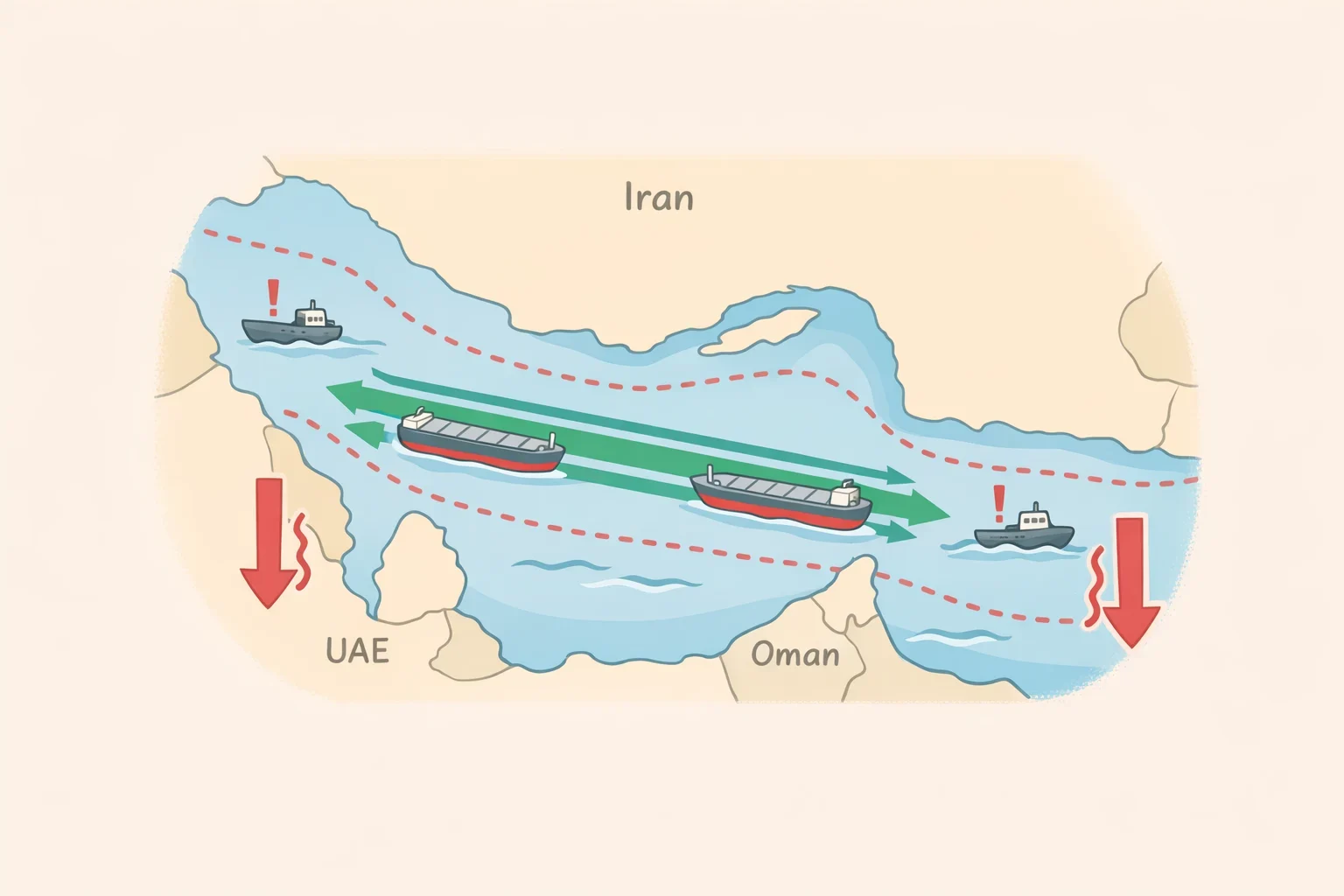
Baghaei's Monday denial went beyond a general dispute over wording. He said Iran had no negotiations underway with the United States and no plans to host foreign delegations or send negotiators abroad in the coming days. He described one narrower set of talks instead: discussions with Oman over "an understanding" on a temporary commercial shipping route through Hormuz, laid out as a single path with separate entry and exit lanes, per NBC News and BBC. That is narrower than the broader U.S.-Iran talks Trump claimed, and the reporting does not establish a settlement between Washington and Tehran.
Trump responded on Truth Social by calling Iran's leadership "unbelievably duplicitous," writing that Iran "asked for a meeting, some would say 'beg,'" after Iran denied any negotiations were happening, per BBC. None of the AP, BBC or NBC News reporting cited here identifies a specific U.S.-Iran negotiating channel behind this week's claim, unlike April's confirmed Pakistan meeting or June's signed memorandum.
Why Hormuz and Gulf allies sit at the center of the pressure
Trump told reporters that Saudi Crown Prince Mohammed bin Salman, along with leaders of the UAE and Qatar, urged him against strikes over the weekend because they believed a deal was close. That account comes from Trump himself and has not been independently verified beyond his own remarks, per BBC. "It would have been disastrous for them, and they didn't want us to do it," Trump said of Iran. "And frankly, Saudi Arabia didn't want it either. They thought that a deal is imminent."
The pressure Trump described centers on a waterway that usually carries about 20% of the world's crude oil and liquefied natural gas, per BBC. Vessel-tracking data from Kpler showed only 51 crossings through the Strait of Hormuz between July 30 and Aug. 2, a roughly 28% drop from the 71 crossings recorded over the prior four days. Crossing counts track ship movements, not the volume of oil or gas each vessel carries, so the drop does not by itself measure how much energy shipping actually fell.
Oil prices fell sharply Monday morning in Asia trading after Trump's announcement, with Brent crude down 4.5% to $83.98 and U.S. crude down 4.6% to $80.74, BBC reported. The report did not tie that price move to any confirmed U.S.-Iran agreement.
Iran's foreign minister, Abbas Araghchi, held calls over the weekend with Saudi counterpart Prince Faisal bin Farhan and Pakistan's army chief, Asim Munir, to discuss diplomatic efforts, according to Iranian state media cited by NBC News.
Poll finds broad doubts about the war as Kennedy warns of inflation risk
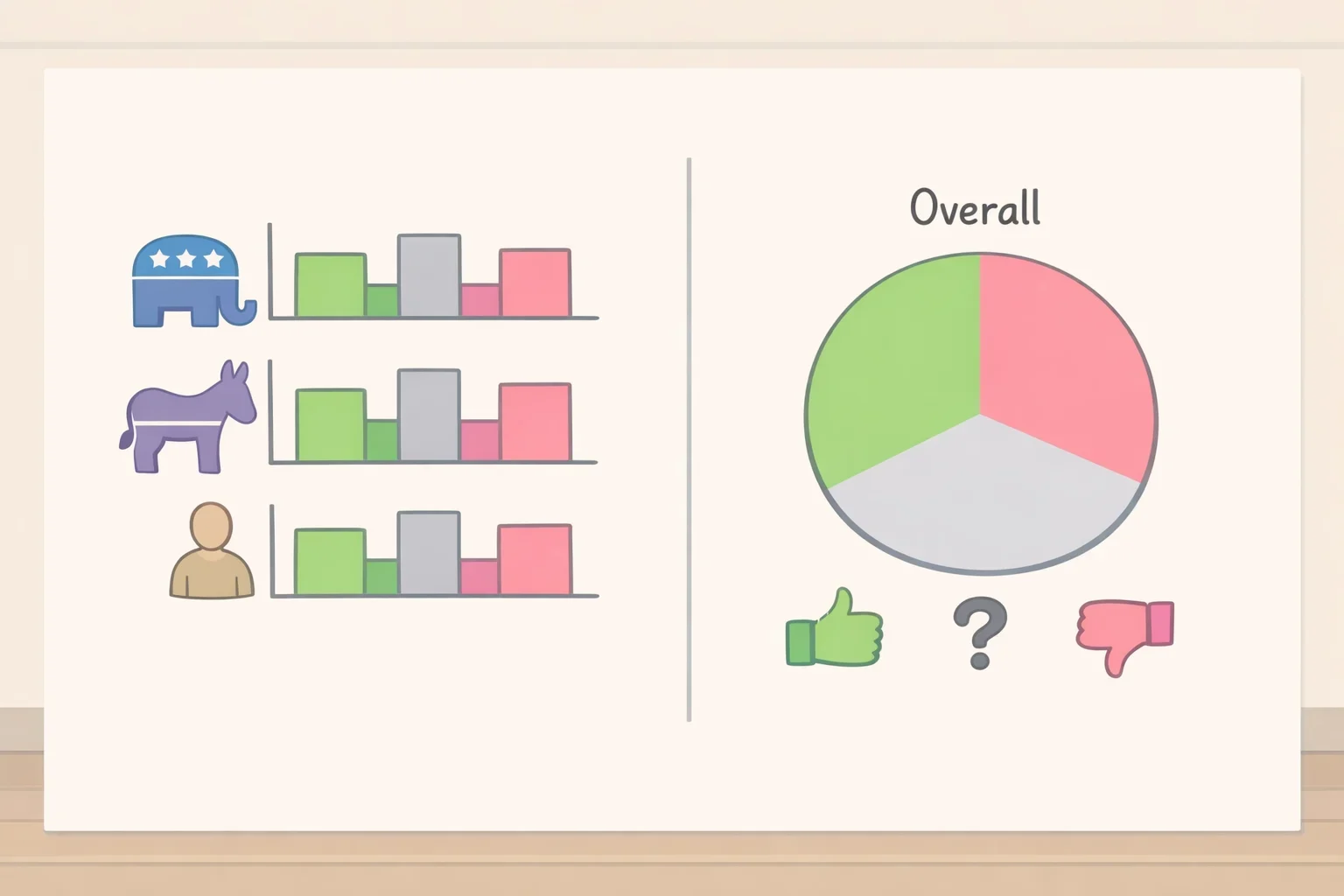
An AP-NORC poll published last week found about two-thirds of U.S. adults say the war has not been worthwhile, including roughly 37% of Republicans, AP reported.
Sen. John Kennedy, R-La., said on NBC's "Meet the Press" that further escalation risks "a lot of inflation for the American people," arguing that tightening sanctions and targeting Iran's nuclear program, rather than new strikes, might be the better bet for now, AP reported. "They're all hellish choices," Kennedy said. "But for the moment I'd maintain the status quo."
As of Monday, the publicly confirmed record stays narrow. Iran and Oman are discussing a temporary shipping arrangement through Hormuz, and Trump said he was pausing the strikes he had threatened last week. Trump said talks with Iran on Hormuz and its nuclear program would begin Monday afternoon; Iran's Foreign Ministry said no such negotiations were underway and that it had no plans to send negotiators abroad. No participants, formal negotiating channel or written agreement between Washington and Tehran had been publicly identified as of Monday. Readers tracking this story should watch for the same three markers that separated April's Pakistan talks and June's signed memorandum from May's unconfirmed pause: named participants, a defined negotiating channel, and whether any resulting arrangement survives more than a news cycle or two.