
- WNBA Security Errs on Transgender Athlete Shirts at Fever-Dream Game
- WNBA security asked fans to cover shirts at the Fever-Dream game
- What the statements confirm, and what remains unaddressed
- Two clothing disputes in three weeks, per FOX 5 Atlanta
- Where this leaves the transgender eligibility question
- What fans should check before wearing message shirts to a game
WNBA Security Errs on Transgender Athlete Shirts at Fever-Dream Game
The WNBA said yesterday that its own security staff wrongly told at least three fans to cover shirts referencing transgender athletes in women's sports during Sunday night's game between the Indiana Fever and Atlanta Dream at State Farm Arena in Atlanta. Security intervened on both sides of the debate, not just one, according to NBC News.
Two fans wore shirts arguing that women's and girls' sports should be limited to people assigned female at birth. Another fan wore a shirt supporting transgender people. Security asked the fans identified in the reports to cover up, according to AP.
The league's response was narrow and tied to that one night. "This should not have happened," the WNBA said, adding that the fans "should have been free to wear the shirts," according to ESPN. That statement corrects a single security decision at one game. It does not describe a new leaguewide apparel policy, and readers shouldn't treat it as one.
WNBA security asked fans to cover shirts at the Fever-Dream game
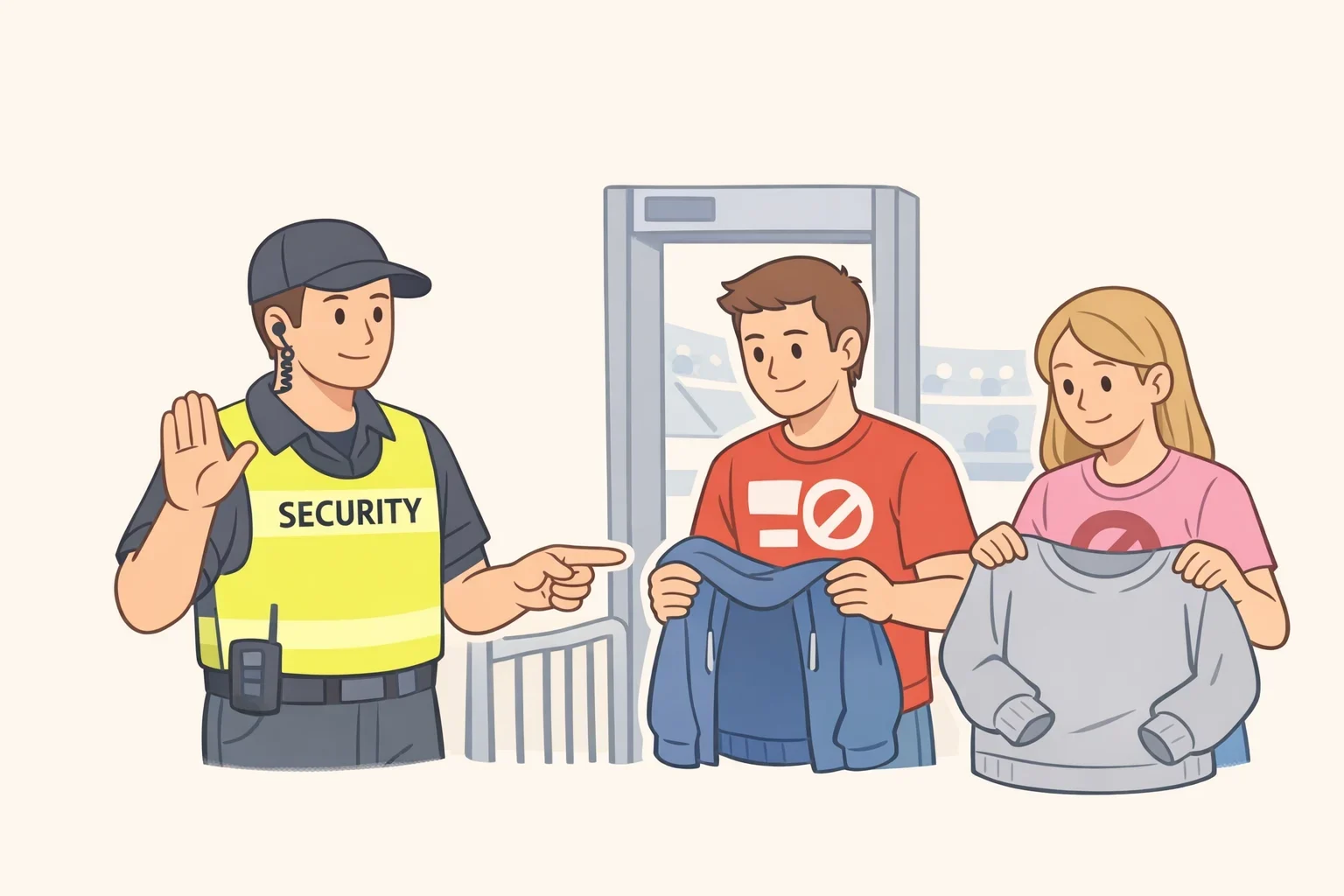
The WNBA described the personnel involved as league security, not team staff. "The WNBA is aware of interactions at [Sunday] night's game in Atlanta in which fans were asked by league security to cover their shirts," the league said, according to NBC News.
One of the confrontations, reported only by FOX 5 Atlanta, involved a mother and her 17-year-old daughter, identified by the outlet as Kasey Thomason and Annie Thomason, wearing XX-XY Athletics shirts. Security called the shirts "offensive" and told them to change into Dream apparel or cover up during overtime, threatening ejection if they refused. That detail hasn't been corroborated in the wire coverage from NBC News, AP or ESPN.
The league has since told the security workers involved directly that requiring the shirts be covered was the wrong call, according to AP. The reports do not identify any other action taken against the workers.
What the statements confirm, and what remains unaddressed
The Atlanta Dream distanced the team from the decision. "The Atlanta Dream believes in creating a safe and inclusive environment for everyone. Unfortunately, at last night's game, WNBA security took actions that fell short of that standard," the team said, adding, "At no point was Dream personnel involved in the decisions made by WNBA security," according to NBC News.
As of yesterday, officials had not announced specific discipline for the security staff involved, according to FOX 5 Atlanta.
The WNBA and Dream statements cited in the reports don't say what instruction security originally received, name a written fan-conduct policy, or explain how a similar situation would be handled at a future game. The cited statements also don't explain what guidance security should have followed instead of telling fans to cover up. That's a gap in what's publicly known, not proof that no such policy exists anywhere in the league's operations.
Two clothing disputes in three weeks, per FOX 5 Atlanta
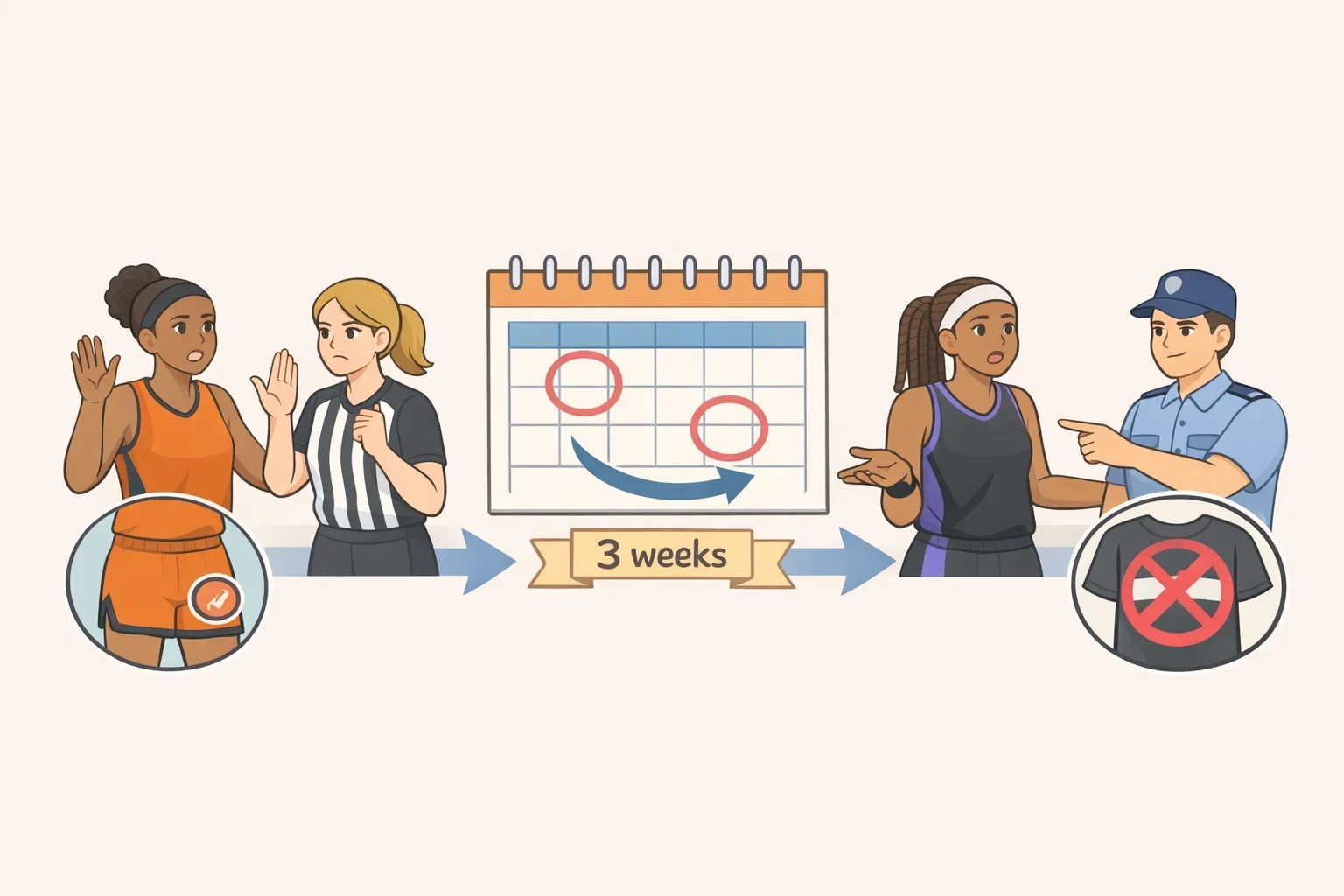
FOX 5 Atlanta describes Sunday's confrontation as the second clothing dispute in less than three weeks connected to the debate over transgender participation in women's sports. Fever guard Sophie Cunningham drew national attention several weeks ago after voicing support for excluding transgender women from women's sports, according to FOX 5 Atlanta.
Less than three weeks ago, Seattle Storm minority co-owner Celeste Keaton confronted two teenage girls wearing similar apparel at a game. The league fined Keaton an undisclosed amount and suspended her for five home games, the outlet reported.
The two incidents involved different people in different roles. Keaton was a team executive disciplined for her own conduct toward fans, while Sunday's confrontations involved league-employed security directing what fans could wear. FOX 5 Atlanta connects the two only as recurring flashpoints around the same issue this season, not as evidence of a single leaguewide enforcement problem.
Where this leaves the transgender eligibility question
The apparel dispute is separate from who is actually eligible to play. The WNBA has faced ongoing debate over whether transgender women should be allowed to participate in the league, but no transgender woman has ever played in it, according to NBC News.
The league's collective bargaining agreement restricts play to women but contains no specific language addressing gender identity or sex assigned at birth, per the same reporting. Some players who were assigned female at birth have since come out as transgender or nonbinary, a separate situation from the eligibility question referenced on the shirts. Yesterday's statement addressed spectator apparel enforcement at one arena; it didn't touch, clarify or change any rule about who is allowed to play.
What fans should check before wearing message shirts to a game
The WNBA's response concerned the reported interactions at one game. The statements cited in the reports don't describe a standardized conduct rule that applies at every arena, based on ESPN's reporting.
Fans planning to bring message-based apparel to a game, on either side of the debate, can take a few concrete steps before heading in:
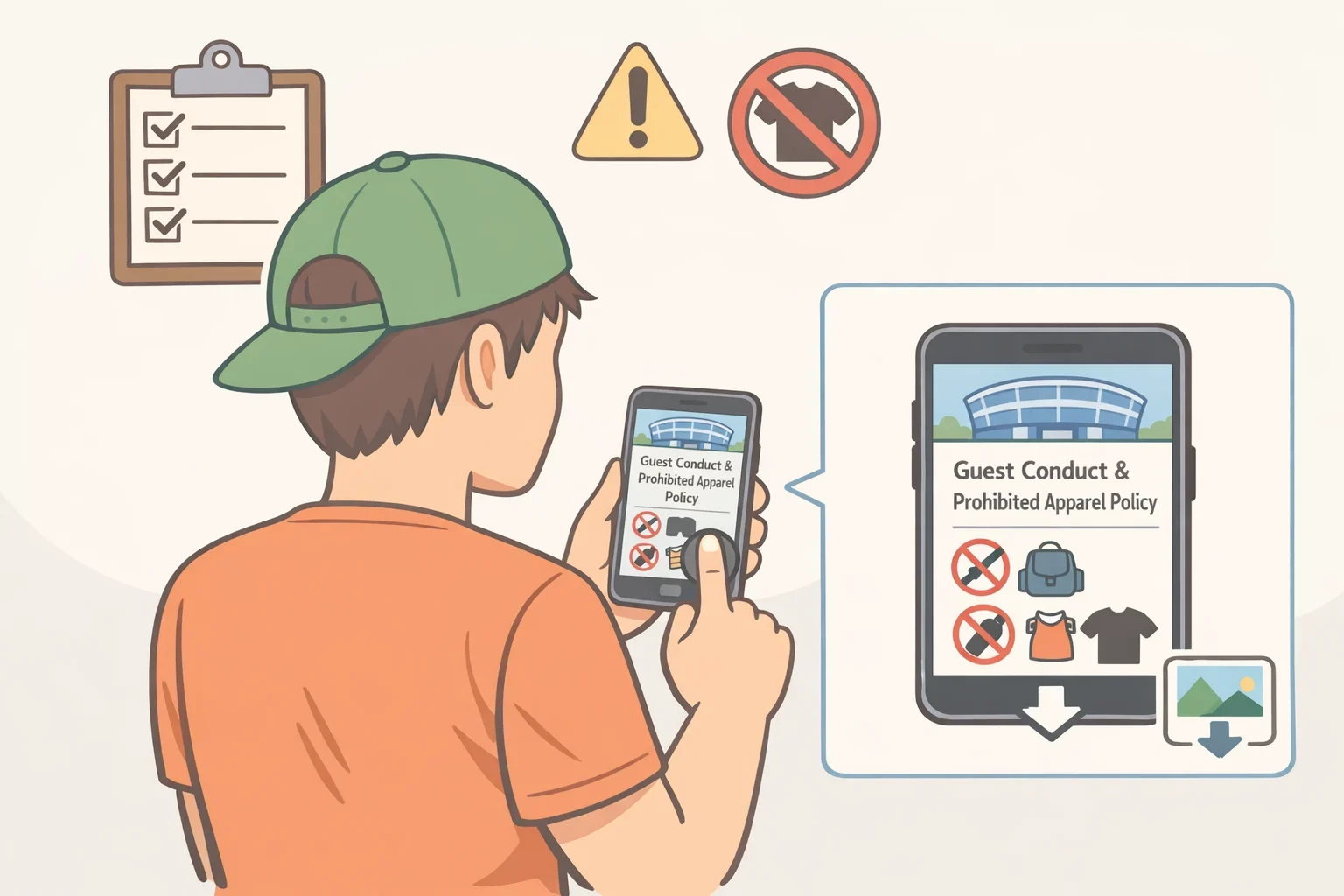
- Look up that specific arena's posted guest-conduct or prohibited-apparel policy in advance, rather than assuming a general "no offensive clothing" clause settles how message shirts will be treated.
- Ask guest services directly whether the policy treats political or issue-based messaging differently from general "offensive" conduct, since that distinction may not be spelled out anywhere in writing.
- Save a screenshot or printed copy of whatever policy language guest services provides, in case a dispute comes up at the gate or in the stands.
Checking ahead of time can clarify a venue's stated position, but it can't guarantee how an individual security worker acts on a given night. This incident shows that a fan's experience in the arena can still diverge from what a league statement says afterward. Anyone headed to an upcoming Fever, Dream or other WNBA game should confirm that specific venue's current policy and hold onto documentation of it, since this correction applies to one game and doesn't guarantee the same outcome at a different building or a future date.