
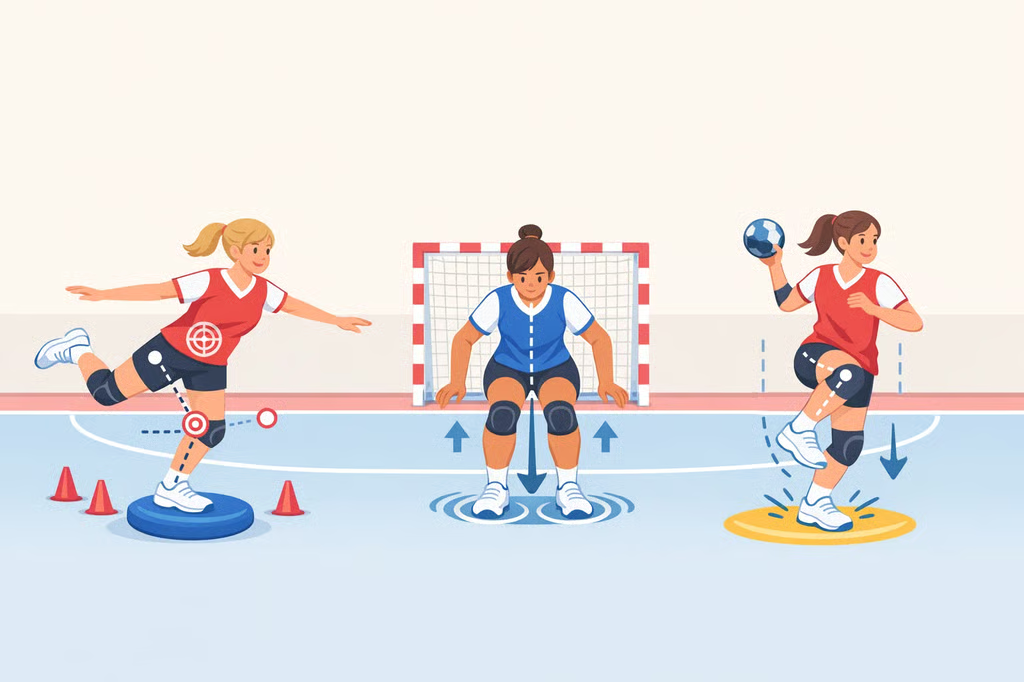
- ACL Injury Prevention Training for Female Handball Players
- What ACL injury prevention training for female handball players has actually tested
- How injury-rate evidence from soccer differs from the handball findings
- What the frequency and duration figures do and don't show
- How program delivery and adoption were studied in other sports
- What coaches and parents can take from this now
ACL Injury Prevention Training for Female Handball Players
A randomized controlled trial published earlier this year tested whether eight weeks of ACL injury prevention training for female handball players could shift the neuromuscular and biomechanical risk factors linked to ACL tears. The trial followed 35 elite preadolescent female handball players, ages 11 to 13, a group the researchers note faces elevated ACL injury risk during adolescence (PubMed, 2026). It found no significant between-group difference in any of the five risk markers it measured, at either the eight-week mark or a 16-week follow-up (PubMed, 2026).
That result answers a narrow question, not a broad one. The studies cited here do not include a four-week trial in female handball players, and none establish a minimum effective program length for this population. That gap matters for coaches and parents in cutting and pivoting sports, especially since separate research on soccer players shows real promise for prevention programs that include balance training (PubMed, 2025).
This article walks through what the handball trial actually measured, how its result differs from the soccer injury-rate data, and what the cited research does and doesn't establish about program length, delivery, and adoption.
What ACL injury prevention training for female handball players has actually tested
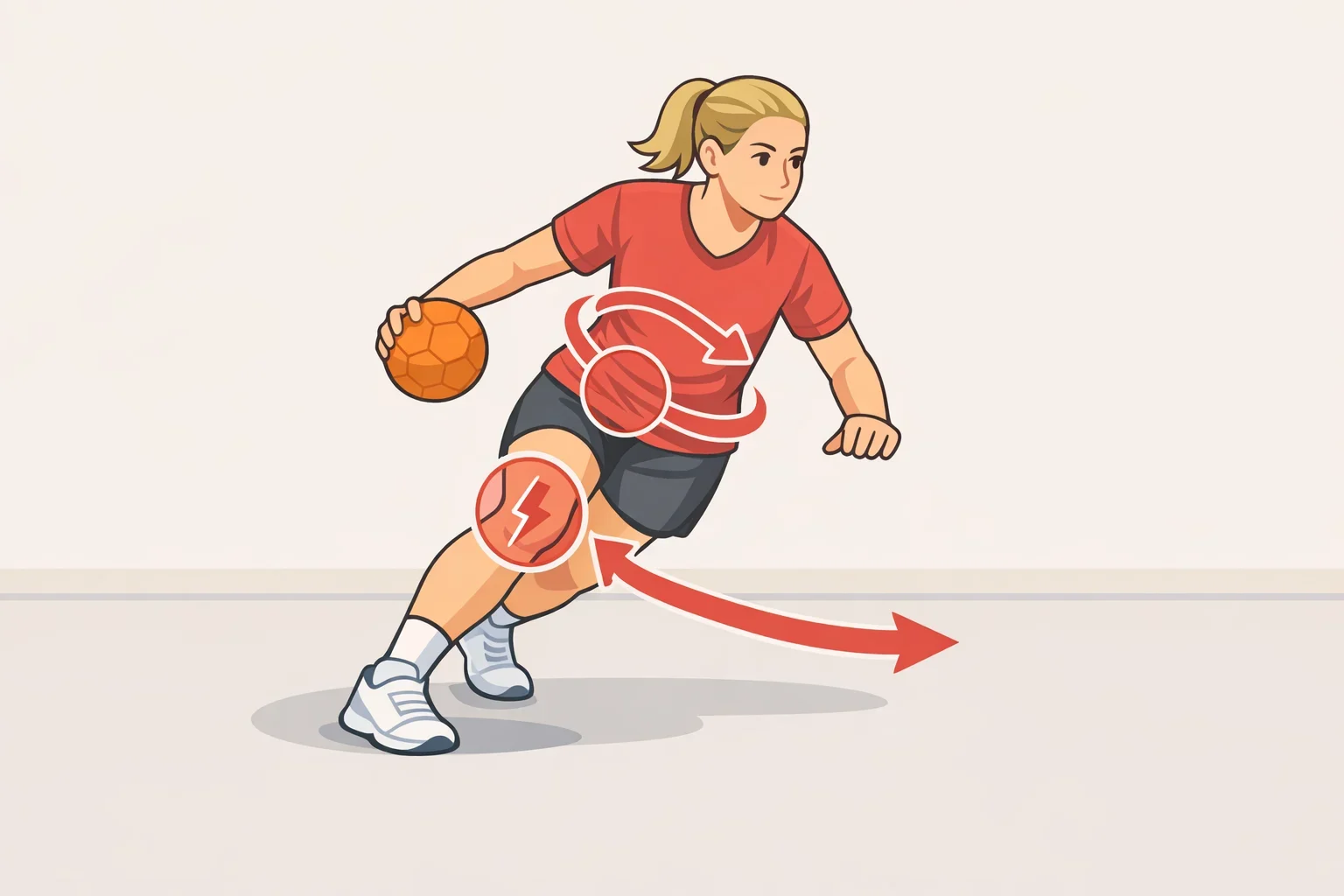
The trial randomized 35 elite preadolescent female handball players to either a targeted ACL injury prevention program (18 players) or a control group doing shoulder-focused exercises (17 players). Both groups trained under supervision for 15 minutes, twice weekly, over eight weeks (PubMed, 2026).
Researchers assessed players performing a handball-style side-cutting maneuver at baseline, immediately after the eight-week program, and again 16 weeks from baseline (PubMed, 2026). They tracked five specific ACL injury risk factors: semitendinosus (hamstring) muscle pre-activity, isometric hip external-rotation strength, hip flexion, knee internal rotation at initial contact, and peak knee-abduction moment (PubMed, 2026).
None of those five markers differed significantly between groups, either right after the program or at the 16-week check-in, and no retention effects appeared (PubMed, 2026). That means the training didn't produce a measurable shift in these specific biomechanical markers, not that ACL injury risk itself was tracked or ruled out. The study authors concluded the eight-week program as implemented wasn't sufficient to produce meaningful change in this age group, and suggested that greater training volume, different exercise selection, or a longer intervention may be needed (PubMed, 2026).
The sample was small, elite, and age-specific, 35 players between 11 and 13, which limits how far these particular results extend to recreational players or older age groups (PubMed, 2026).
How injury-rate evidence from soccer differs from the handball findings
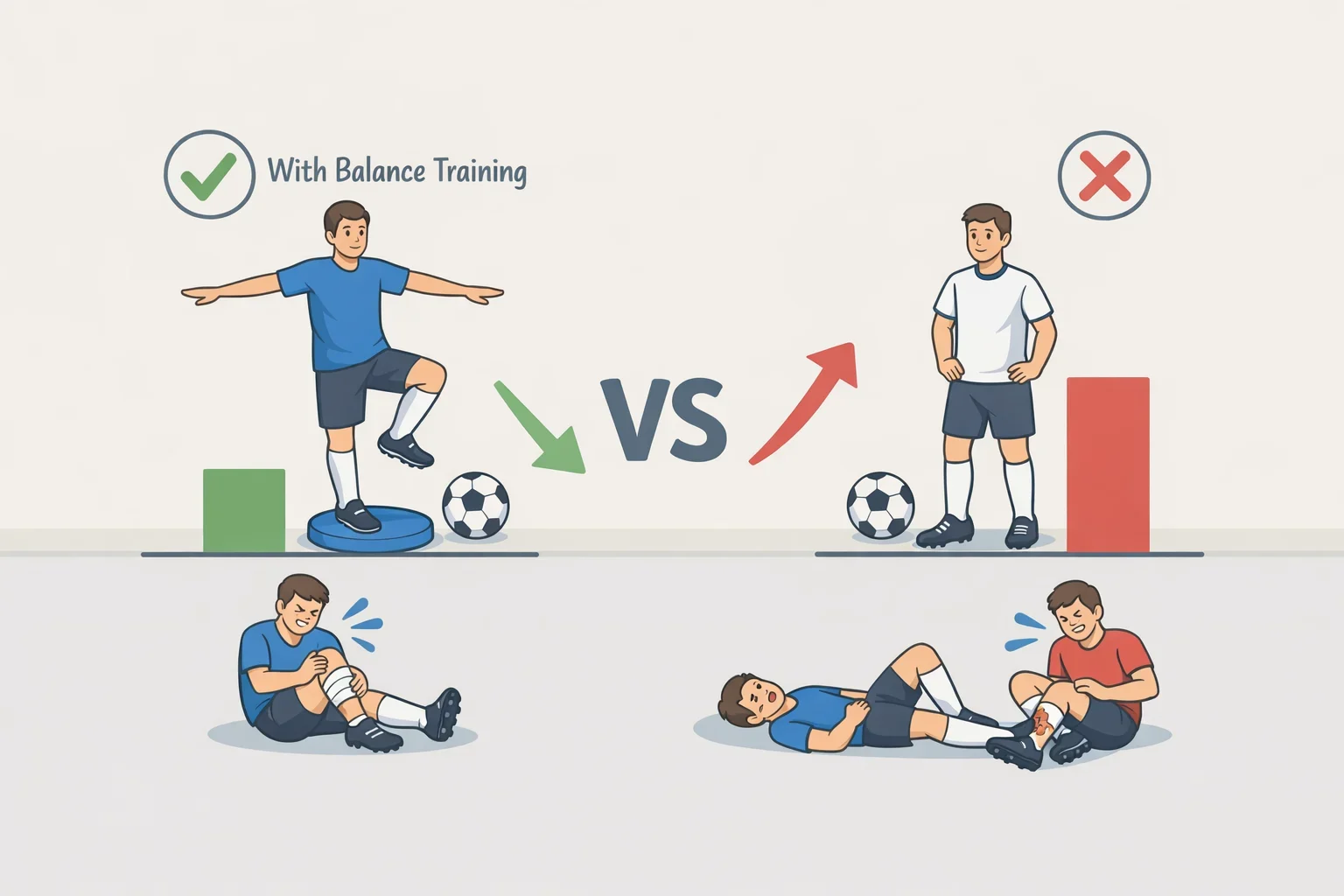
Those outcomes differ in a basic way: the handball trial measured surrogate biomechanical markers in a testing setting, while a separate body of soccer research measured whether players actually tore an ACL during real play. That difference is why a null result in one doesn't override findings from the other.
A systematic review and meta-analysis published last year pooled eight studies covering 20,336 soccer players and 1,512,099 exposure hours, identifying 190 ACL injuries (PubMed, 2025). Programs that included balance training were linked to a 58% lower injury rate per 1,000 exposure hours than controls, with a 95% confidence interval for the incidence-rate ratio of 0.27 to 0.66 (PubMed, 2025). The reduction held across sexes in the pooled soccer studies: 61% for female participants and 50% for male participants, with low heterogeneity across the trials (PubMed, 2025).
That's real injury-rate evidence rather than a biomechanics proxy, but it comes entirely from soccer populations. Nothing in that dataset confirms the same reduction would appear in preadolescent female handball players, whose movement demands, age range, and program details differ from the trials pooled in the review.
The American Academy of Orthopaedic Surgeons states that injury-prevention training can reduce primary ACL injury risk in athletes participating in high-risk sports generally, without specifying which sport, age group, or program length drives that effect (AAOS, 2022).
What the frequency and duration figures do and don't show
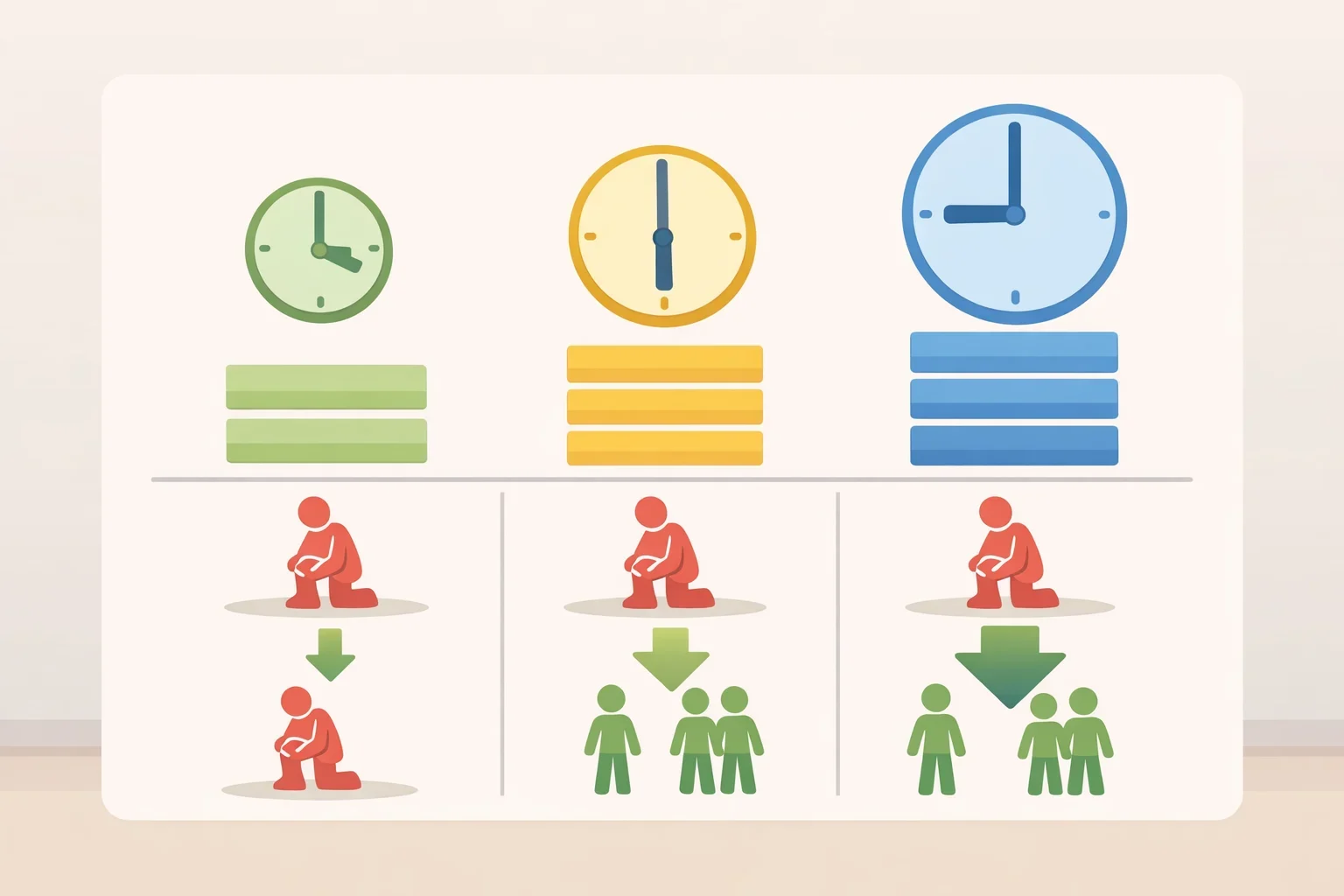
Within the soccer meta-analysis, programs run three or more times weekly were associated with a 57% injury-rate reduction, compared with 43% for programs run less often, both measured against control groups (PubMed, 2025). Total weekly training time made a smaller difference: 20 or more minutes a week was associated with a 50% reduction versus 46% for less than 20 minutes a week (PubMed, 2025). These are subgroup associations within soccer prevention trials, not dose-response evidence, and frequency or duration alone don't fully explain who benefited.
The handball trial ran roughly 30 minutes a week (15 minutes, twice weekly) for eight weeks, a volume within the range associated with benefit in the soccer research, though the two sports differ in exercise content and how exposure was defined. It still produced no measurable change in risk markers (PubMed, 2026). That mismatch is a central reason the cited research hasn't pinned down a minimum number of effective weeks: the soccer figures describe programs that already worked in that sport and population, not a formula proven to transfer to a different sport, age group, or sex.
How program delivery and adoption were studied in other sports
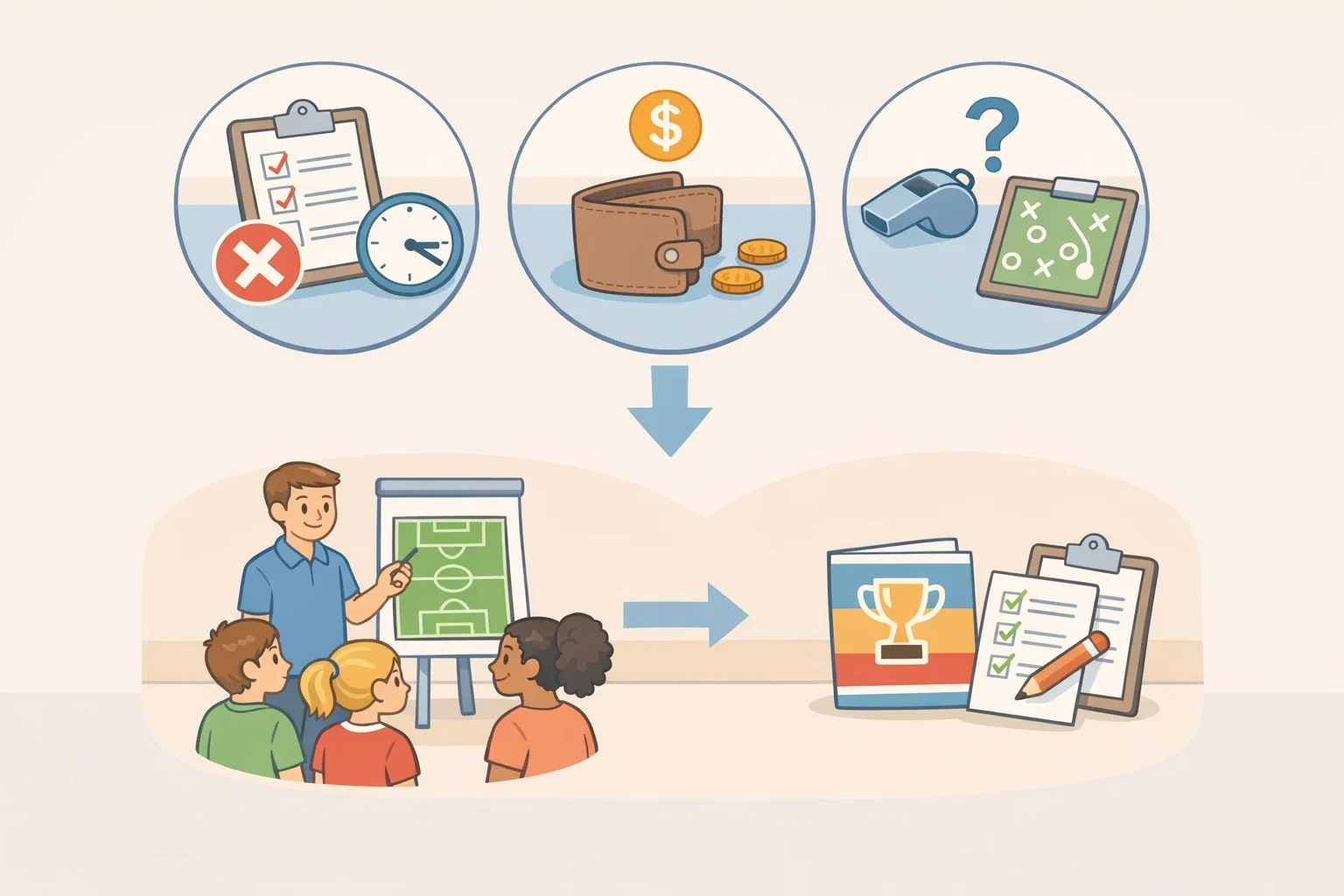
A separate randomized trial of 42 elite male under-21 soccer players compared coaching cues during a standard ACL prevention program. Cues focused on the outcome of a landing movement improved hip and knee flexion kinematics during landing more than cues focused on body mechanics, over an eight-week intervention (PubMed, 2023). That trial measured landing kinematics, not ACL injury rates, in a different sport, sex, and age group than youth handball.
A 2024 review of 68 youth team-sport studies found the biggest barriers to adopting neuromuscular warm-up programs were time constraints, lack of buy-in, and limited awareness of their benefits, while workshops paired with take-home resources were the strongest facilitators of adoption (PubMed, 2024). The review reported injury reductions of 36% to 72% in the relevant implementation strategies, while noting that few studies measured real-world effectiveness (PubMed, 2024).
The cited studies examine delivery and adherence separately; they do not show whether either matters more than program length (PubMed, 2023; PubMed, 2024). None of this evidence has been tested in preadolescent or adolescent female handball players specifically.
What coaches and parents can take from this now
The available evidence supports consistent implementation of prevention warm-ups in youth sport generally, but it does not establish an ideal duration and does not prove that any specific program prevents ACL injuries in youth female handball players. Some prevention programs have reduced injury rates in the populations studied, mainly soccer, but that outcome hasn't been confirmed in handball.
Recreational players, older adolescents, and athletes returning to sport after a prior ACL injury carry different risk profiles that this research doesn't address and should be guided individually by a qualified coach or athletic trainer. Athletes with current knee symptoms, swelling, instability, or a previous ACL injury should seek individualized guidance from a qualified sports-medicine professional before starting or changing any training program.
What the evidence leaves open is more instructive than what it settles: one eight-week program in one narrow group of elite preadolescent handball players didn't move the biomechanical markers researchers tracked, and no study reviewed here has tested whether a shorter, longer, or differently designed program would do better in that same population.