
- 2026 NCAA women's volleyball rule changes explained
- What changed for the 2026 season
- How the NCAA volleyball center-line rule changes in 2026
- NCAA volleyball challenge rules: what's new for center-line calls
- Division II and III get more substitutions per set
- The NCAA volleyball bench-switching rule for 2026
- Other 2026 women's volleyball rules worth knowing
- What to check before you watch a match
2026 NCAA women's volleyball rule changes explained
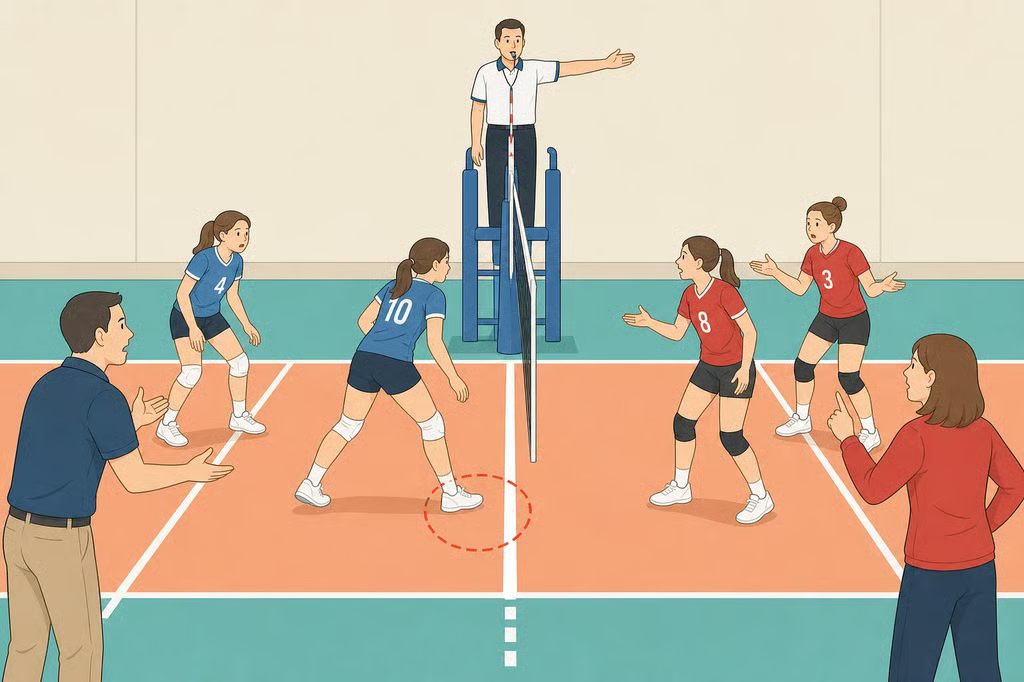
Starting with the 2026 season, NCAA women's volleyball officials call an automatic fault any time a player's foot completely crosses the center line, and for the first time, coaches can challenge that specific call, according to the NCAA. It's the headline change in a broader set of 2026 NCAA women's volleyball rule changes approved by the Division I Women's Volleyball Oversight Committee and the Divisions II/III Playing Rules Oversight Panel.
The same package raises the per-set substitution limit for Divisions II and III from 15 to 18, while Division I holds at 15, per the NCAA. Fans and coaches watching this season will see four concrete differences on the court: a bright-line center-line fault call, a "C" hand signal replacing the challenge card, a division-specific substitution ceiling, and teams that stay put on their bench through the entire fifth set instead of switching at 8 points.
This guide covers NCAA women's volleyball only, not men's volleyball, beach volleyball, high school ball or international FIVB competition. It walks through the new center-line standard, how the challenge fits the existing review system, the substitution gap between divisions, the bench-switching change, and a roundup of smaller items from the same rules package.
What changed for the 2026 season
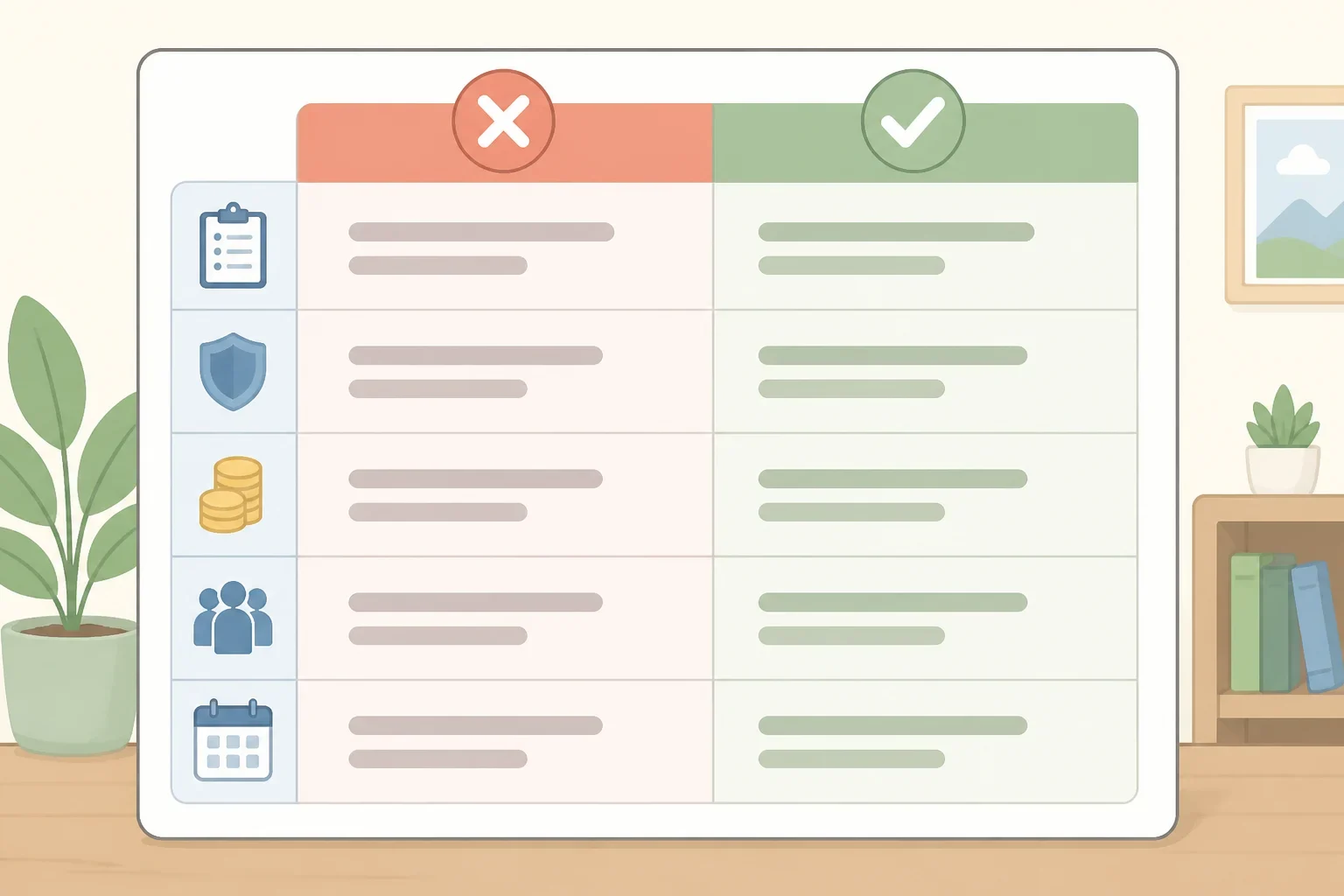
Change Before 2026 Starting 2026 Applies to Center-line fault Fault only if it caused interference or a safety hazard Automatic fault any time a foot completely crosses the line NCAA women's volleyball Center-line challenge Not challengeable under any circumstance Challengeable; officials may also review a net fault in the same look NCAA women's volleyball Substitutions per set 15 15 in Division I; 18 in Divisions II and III D-II/D-III change; D-I unchanged Bench switching After every set, plus at 8 points in set five Only after set two; teams stay put through all of set five NCAA women's volleyball
Source: NCAA
How the NCAA volleyball center-line rule changes in 2026
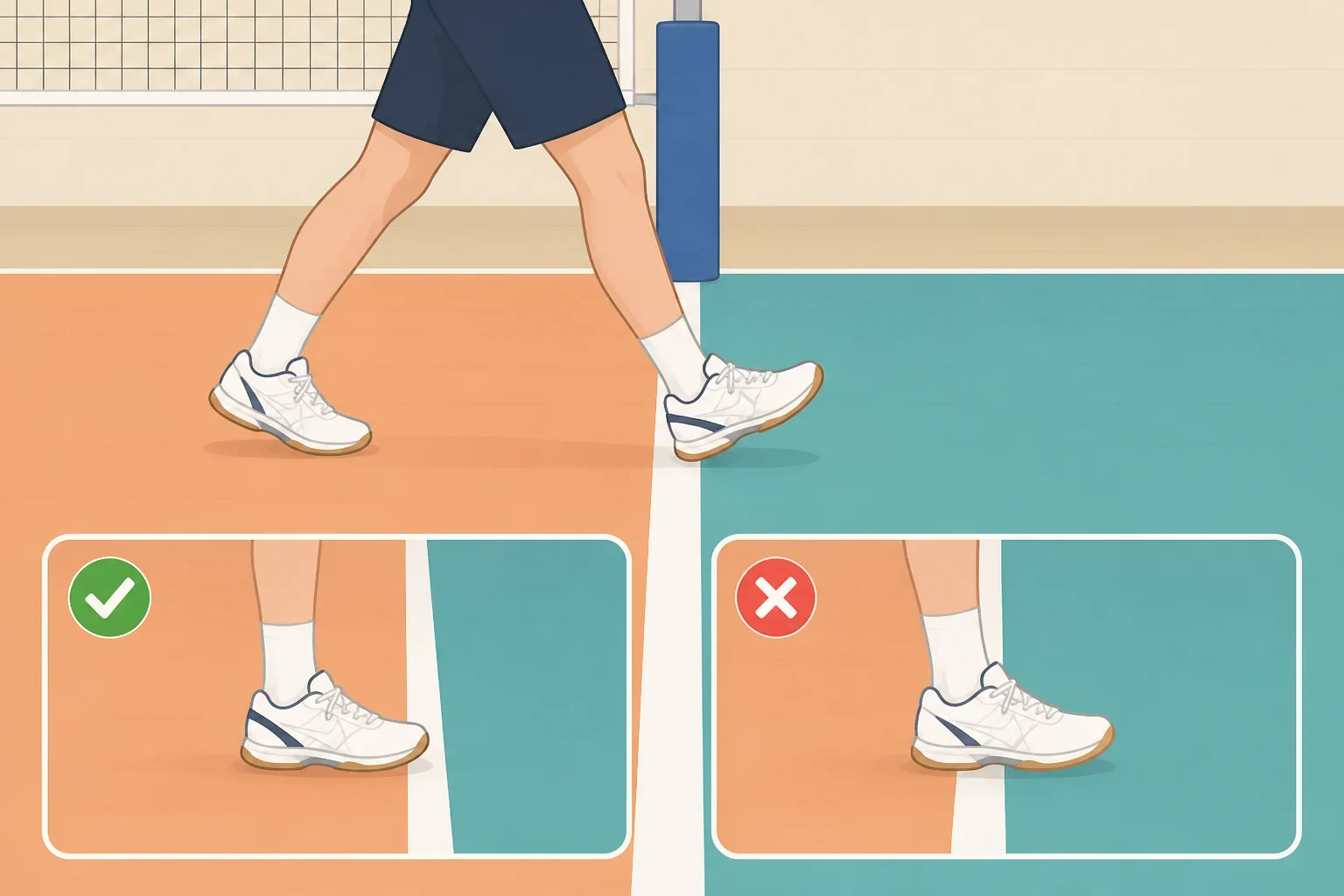
Under the old standard, a foot completely crossing the center line wasn't automatically a fault. Officials had to determine whether interference or a safety hazard occurred, per the NCAA, and that call couldn't be reviewed.
Starting this season, that judgment call disappears. A foot that completely crosses the line is a fault on its own, whether or not it touches an opponent, per the NCAA. The change also moves the NCAA closer to the international center-line rule, the NCAA notes.
Keylor Chan, chair of the Division I rules subcommittee and women's volleyball coach at Samford, said the rule has swung back and forth for years. "It's always about safety when you talk about the center line," Chan said, according to the NCAA, speaking earlier this year when the changes were still proposals. "We are trying to take the subjectivity out for the referees and for the safety of our athletes," Chan added, per the same source.
NCAA volleyball challenge rules: what's new for center-line calls
Center-line faults simply weren't reviewable before 2026. The NCAA's own language is direct on this: such calls could not be challenged under any circumstance, the NCAA explains. That changes this season. Coaches can now challenge whether an opponent's foot completely crossed the line, and officials can check for a net fault during that same review instead of requiring a separate challenge, per the NCAA.
That option folds into the video review process coaches already use to dispute other calls, rather than creating a separate procedure for teams to track.
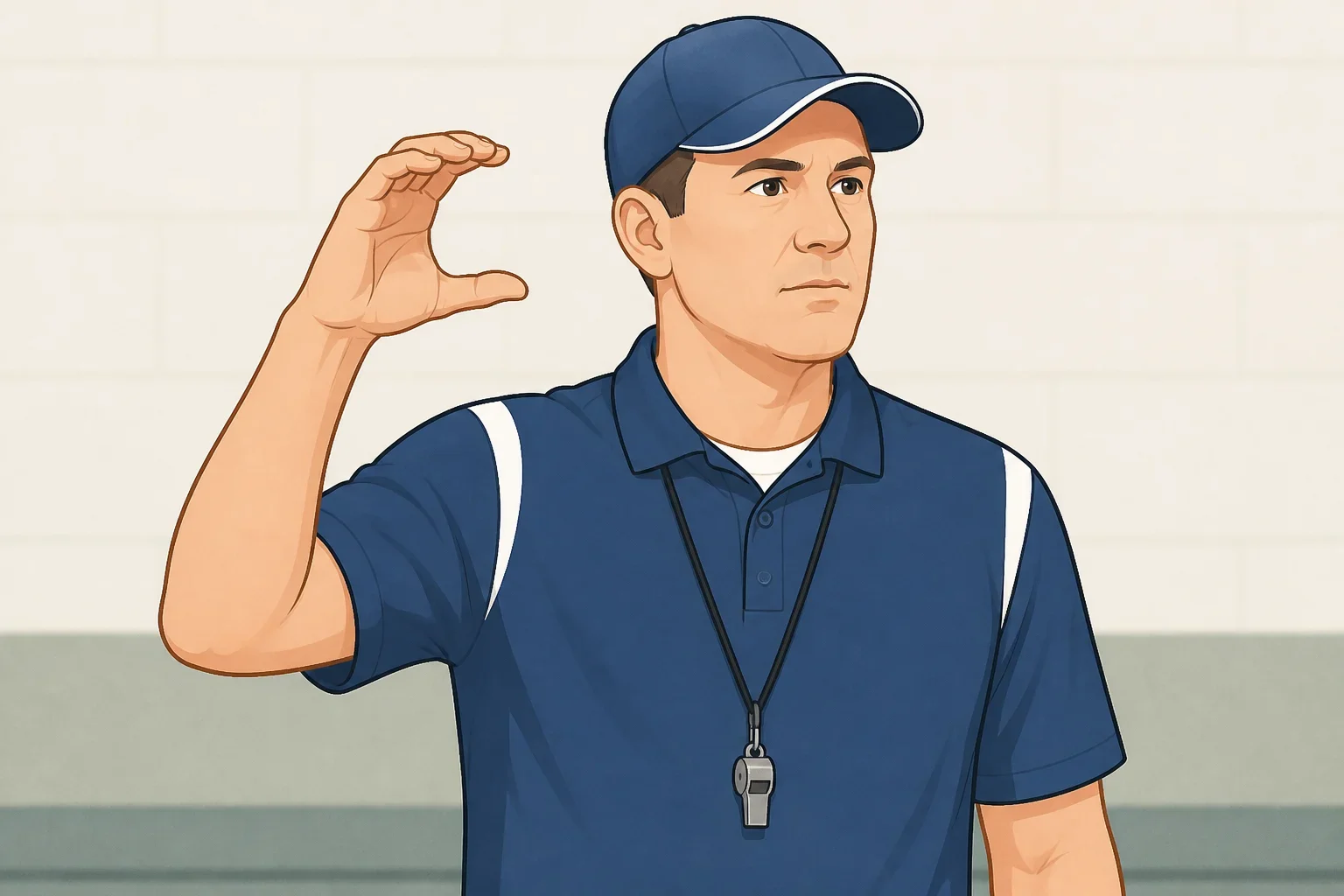
Two procedural details are new for 2026. Coaches can no longer request a challenge once a timeout has already started, the NCAA notes. Instead of presenting a card, coaches now request a review by forming a "C" with their hands, per the NCAA.
Division II and III get more substitutions per set
Division I's substitution limit stays at 15 per set. Divisions II and III move to 18, up from 15, according to the NCAA. It's a per-set limit in both cases, not a match total.
Julia Rowland, chair of the Division II/III committee and deputy athletics director at Coker, tied the increase to growing roster sizes. "With rosters increasing over the past few years, we felt like this was a good move to give our student-athletes more opportunities to participate," Rowland said, according to the NCAA, describing the rationale around the same time the changes were proposed. Rowland added that the extra substitutions give coaches "more opportunities to get creative with their lineups," and that the committee wanted Divisions II and III to stay aligned on the number rather than drift apart.
Division I matches won't show that 18-substitution ceiling. It's strictly a Division II and III change, and the two divisions moved together on purpose.
The NCAA volleyball bench-switching rule for 2026
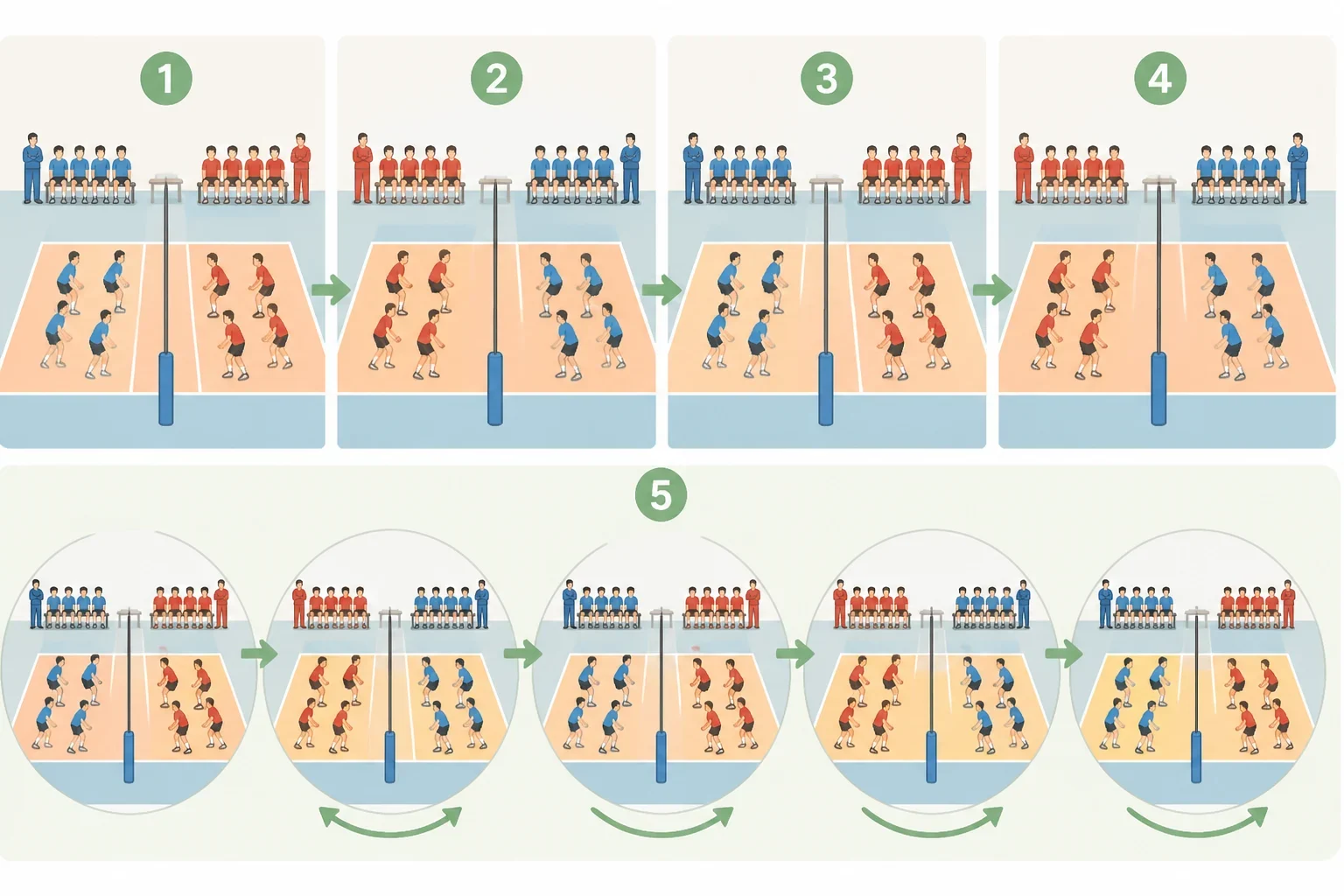
Teams used to switch benches after every set, then again in the fifth set once either team hit 8 points. Starting this season, teams switch only after the second set, then stay on their sides for the rest of the match, including the entire fifth set, per the NCAA. The stated goal is pace of play, cutting down on the delays that come with repeated bench swaps, the NCAA says.
Viewers will notice this most in a deciding fifth set. After the coin flip that sets serve, receive and side, teams stay on whichever side they land on for the entire set, with no mid-set swap to track.
Other 2026 women's volleyball rules worth knowing
The center-line and substitution changes are the headline items, but the same rules package includes several smaller updates:
- Serving-team players can't raise their hands above their heads until the served ball crosses the net, a new screening-related restriction, per the NCAA.
- Players may go around the net pole to play back a ball that crossed into the opponent's free zone outside the antenna, as long as there's at least two meters of space behind the referee's stand; going under the net is still prohibited, the NCAA notes.
- Officials can now correct scoring discrepancies through the stats crew or the Challenge Review System without a coach filing a formal protest, according to the NCAA.
- If a disqualified player fails to sit out the required next match, both that player and the head coach serve a two-game suspension; if a disqualified coach fails to sit out, the head coach alone serves the two-game suspension, per the NCAA.
- An optional timeout format adds a technical or media timeout when a team reaches 15 points in sets one through four, regardless of whether a team has already used a timeout, the NCAA explains. That technical timeout runs a maximum of 90 seconds, compared with the standard 75-second team timeout, and the fifth set doesn't use the 15-point technical timeout at all, per the NCAA.
- Two commercial logos, no larger than 10 feet by 10 feet, are approved for the 2026 season, one between the attack line and end line at each end, as long as they don't interfere with required court markings, per the NCAA.
- An experimental rule can be used for conference games to allow electronic transmission of live video to the bench for coaching purposes only, the NCAA notes. The NCAA describes this as an experimental option for conference games, so its use may vary by conference.
What to check before you watch a match
The challenge sequence matters more than most fans realize. A coach has to request the review before the referee's timeout begins, using the "C" hand signal instead of a card, and that same review can also catch a net fault without a separate challenge, per the NCAA. Miss that window and the play stands.
Confirm which division is playing before assuming a substitution ceiling; the per-set limit isn't the same across NCAA levels this season. If a broadcast or program shows an unusual timeout pattern or an on-bench video setup, check with that specific conference, since the 15-point technical timeout and live-video-to-bench options are optional rather than standard for 2026.
The division determines the substitution limit, while the conference determines whether either optional format shows up. What applies everywhere, regardless of division or conference, is the new center-line fault standard, the challenge option that comes with it, the "C" hand signal, and the revised bench-switching procedure.