
NFL Practice Squad Elevation Rules: How the Three-Game Limit Works
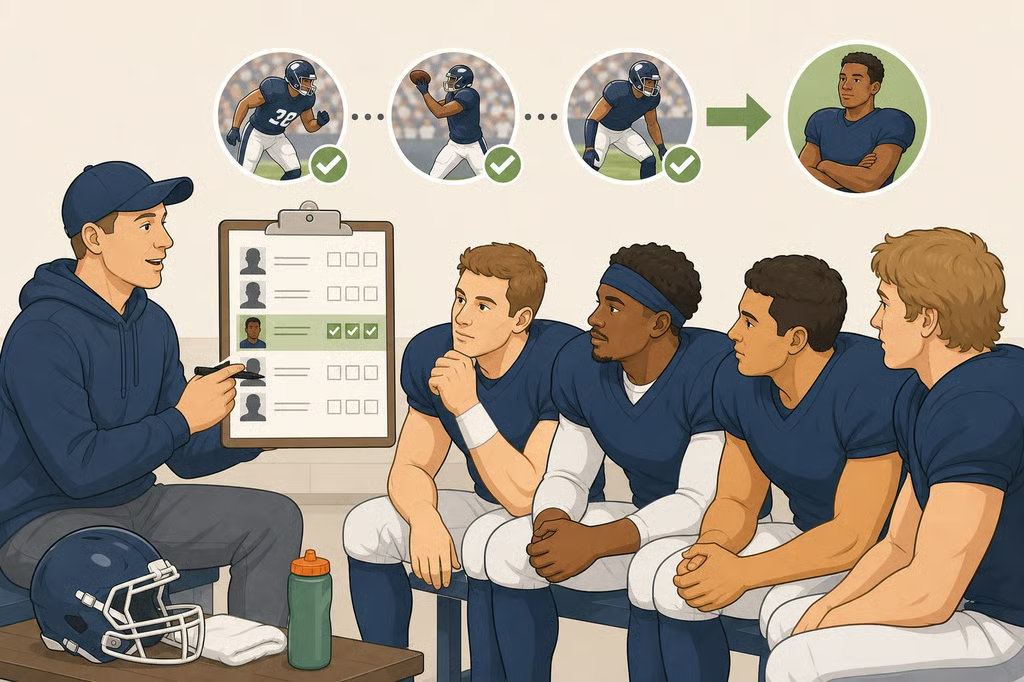
Every NFL team can elevate up to two practice squad players for a given regular season game, and any single player can be elevated this way a maximum of three times before the club has to sign him to the 53-man active roster to use him again, according to Sports Illustrated (two years ago). That's the core mechanic behind the NFL practice squad elevation rules, and it decides how many times a team can lean on the same practice squad player before a roster move is required.
Practice squads carry 16 players, and the practice squad has become a more significant part of roster management than it used to be, according to USA Today (last year). Teams add veteran players to the practice squad in-season fairly often, and lean on that option especially as they get closer to the postseason, per the same report.
The next sections cover who's eligible, how an elevation actually plays out on Sundays, and where the three-game count runs into questions this article can't fully settle.
Who the elevation rule applies to
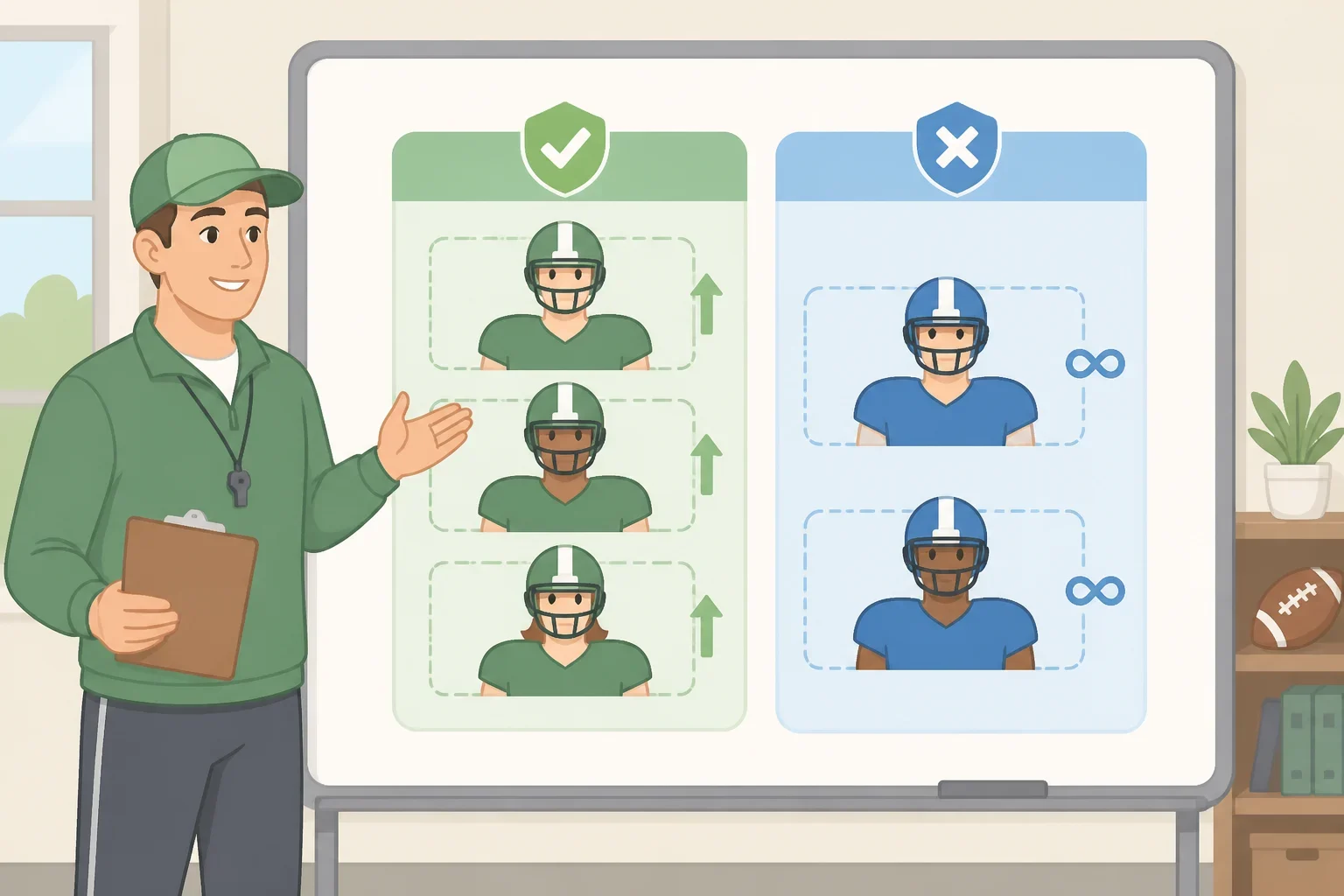
A team can designate eligible practice squad players for elevation, but not every practice squad spot works the same way. Ten of the 16 standard spots must go to players with two or fewer accrued NFL seasons, while the other six carry no experience limit, according to Sports Illustrated (two years ago).
A 17th practice squad spot also exists, but only for a player enrolled in the NFL's International Player Pathway Program, so a roster count of 17 isn't an error once that exception applies, per the same source. That extra spot doesn't change the elevation math: it just means one more player is on the practice squad in the first place.
How NFL practice squad elevations work on game day
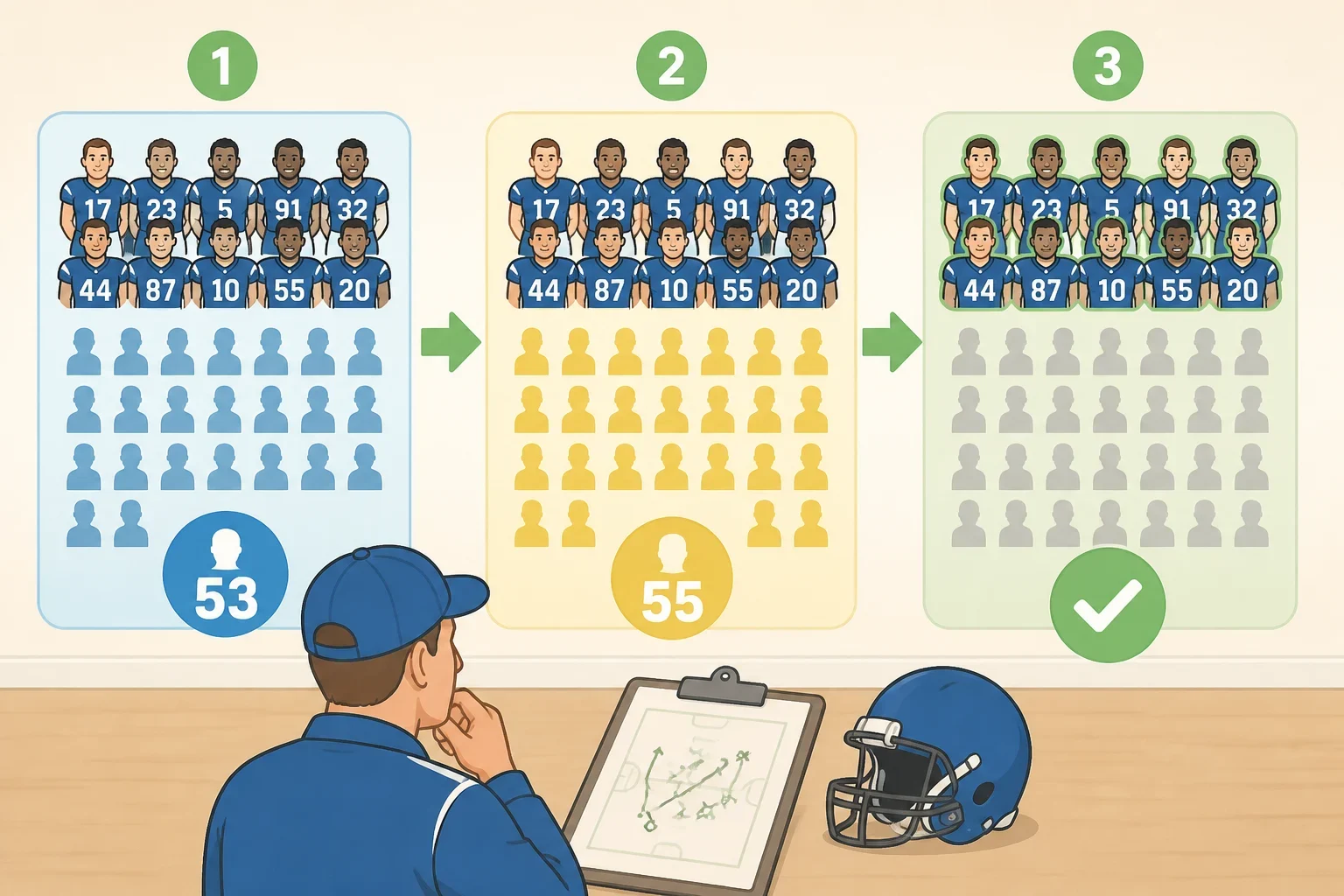
An elevation temporarily bumps a team's game-day roster from 53 to 55 players. Only 48 of those players can actually be declared active for the game, which means seven get declared inactive roughly 90 minutes before kickoff, according to Sports Illustrated (two years ago).
That distinction matters for anyone tracking a specific player. Being elevated gets a name onto the 55-man game-day list, but it doesn't guarantee he's one of the 48 who actually suits up. A team might elevate a running back as insurance for an injured starter, then declare him inactive anyway if the starter ends up playing. The elevation still counts toward his season total either way, since the count tracks the transaction rather than whether he took a snap.
How the three-elevation limit works
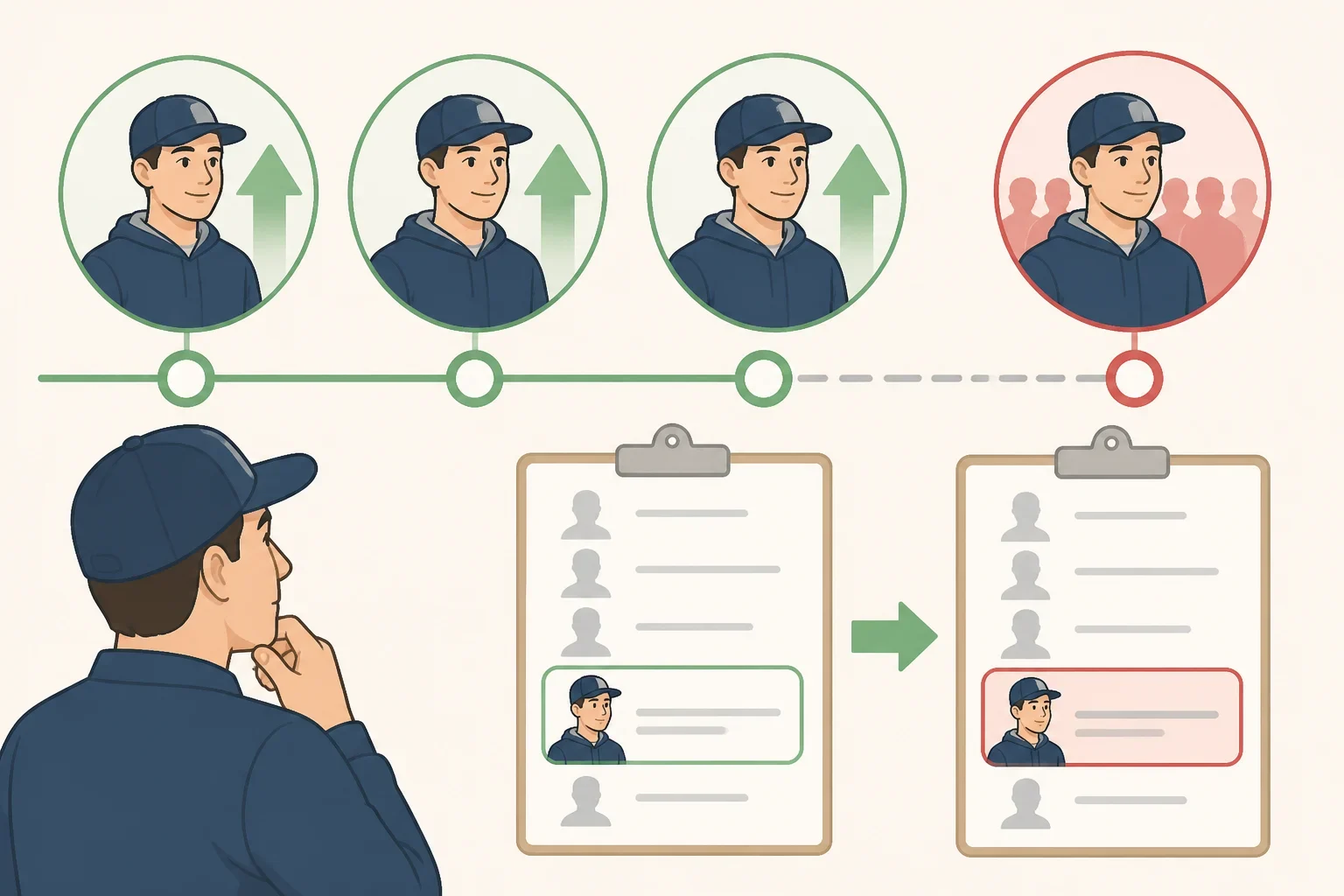
Once a player has been elevated three times in a season, he can't be elevated a fourth time. The team has to sign him to the 53-man active roster to use him again, according to Sports Illustrated (two years ago).
The count tracks the transaction, not the box score. A practice squad running back elevated for Weeks 1, 5, and 9 has used all three elevations no matter how many snaps he played in those games, and a fourth appearance requires an active-roster move rather than another elevation.
Signing him to the active roster does more than clear the way for a fourth game. It moves him off the practice squad and into one of the team's 53 active spots, letting the club use him going forward without relying on another standard elevation. That's not the same as a permanent roster guarantee; like any active-roster player, he can still be released or moved later. It's simply the confirmed path past the three-elevation ceiling under the sources checked for this piece.
Exceptions that need verification
A few details about how elevations work show up in secondary sources but haven't been confirmed against a primary NFL rule source for this article. Readers relying on any of these for a specific transaction should check the team's own announcement or the current NFL Operations manual first.
Wikipedia's practice squad entry states that a standard elevation must be made the day before the team's game, and that an elevated player reverts to the practice squad automatically afterward, without clearing waivers. Both claims are plausible and match how the transaction is generally described, but neither has been matched against official NFL transaction rules here, so treat them as likely rather than confirmed.
The same Wikipedia entry traces the elevation cap's history to the 2020 collective bargaining agreement, which allowed two elevations per player per season, before it expanded to three starting in 2022. That timeline didn't turn up in the more heavily sourced reporting used for this piece, so it's worth noting as background rather than treating it as settled.
Postseason counting is a bigger open question. Sports Illustrated describes the three-elevation cap in the context of regular season games specifically, without saying whether playoff appearances count toward the same total. Field Gulls describes the limit as covering "regular or postseason" games combined, which would read differently for a player elevated late in the year heading into January. The two sources simply don't agree, and this article can't resolve which version currently governs.
Field Gulls also describes a possible second path past the three-elevation cap: instead of signing the player to the active roster, a team can let him pass through waivers and re-sign him to the practice squad, after which he becomes eligible for another three elevations. Sports Illustrated only confirms active-roster signing as the way past the limit and doesn't mention a waiver-and-re-sign option. That gap means the waiver route should be treated as a reported interpretation from one source, not as a confirmed workaround.
Why the emergency third-quarterback rule got vetoed
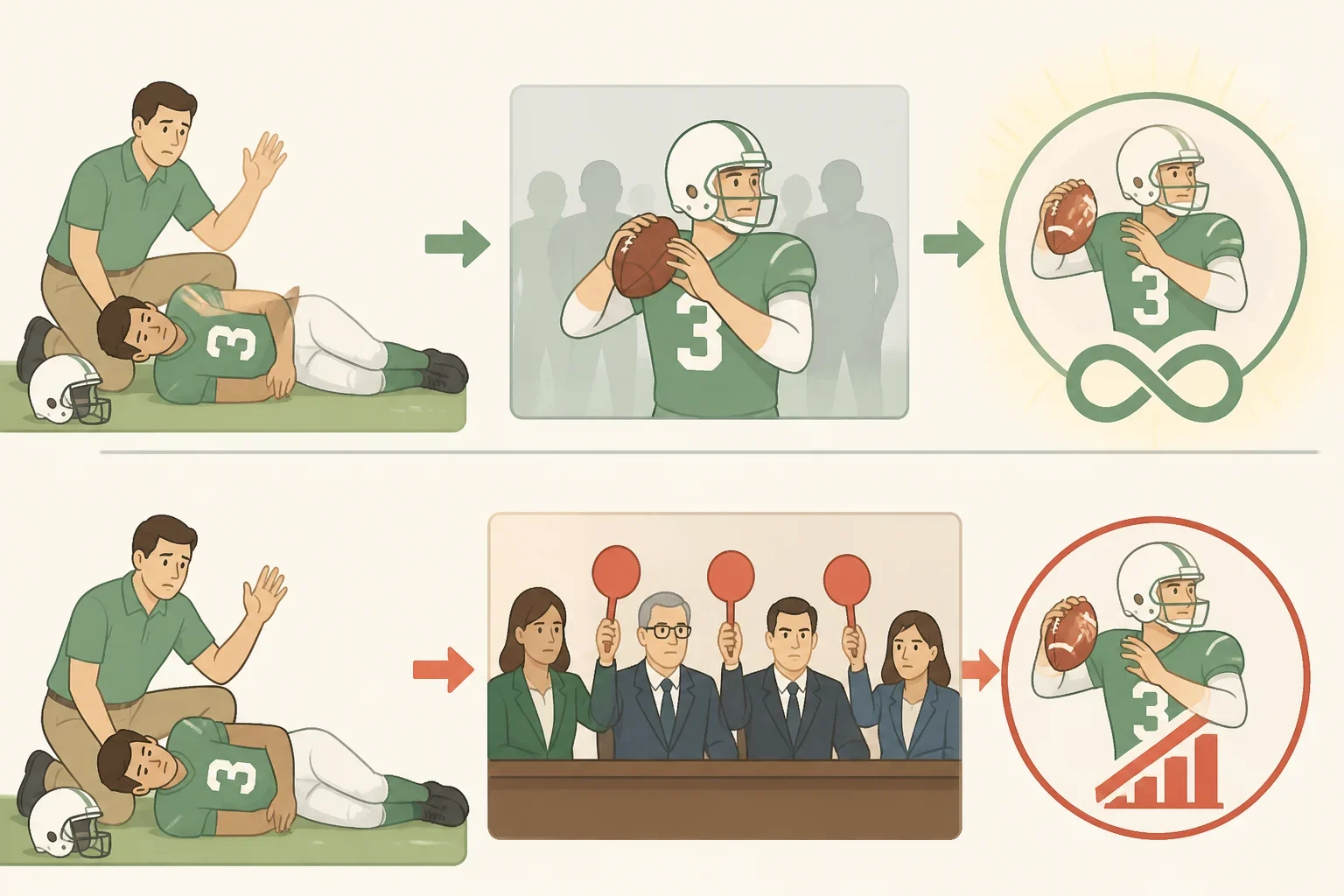
The three-elevation cap got tested in a narrower way two years ago. The NFL had approved a rule letting teams elevate a "bona fide" emergency third quarterback from the practice squad an unlimited number of times, but the NFLPA rejected it, NFL Network's Tom Pelissero reported, according to NFL.com (two years ago). Pelissero characterized the union's objection as treating the carve-out as a form of "legal stashing," per the same report.
With the veto in place, the rule reverted to standard terms: an emergency third quarterback still has to be on the 53-man roster or use one of the two standard elevations available that week, and if elevated he has to be active for the game rather than held in reserve, per the same report. Some clubs responded by keeping an extra quarterback on their initial 53-man roster once cutdown day arrived that year, according to the same source.
The reported proposal concerned a quarterback-specific exception. It doesn't establish a broader anti-stashing rationale behind the three-elevation cap that applies to every other roster spot, and that general cap was already in place, per Sports Illustrated's description of the standard elevation rules, before the quarterback proposal ever came up.
What to check next
Before assuming how a specific player's elevation count works, check the team's official transaction announcement and look at the exact wording. "Elevated from practice squad" and "signed to active roster" describe two different moves, and only the second one is confirmed here as the way past the three-elevation limit.
If the question involves a player heading into the postseason, or whether a waiver-and-re-sign move can reset his count, don't rely on a single source to settle it. Check the current NFL Operations manual or the team's own announcement, since the available reporting checked for this piece doesn't agree on either point.