

- Amanda Staveley West Ham Takeover Bid Explained: Pre-Emption Rules
- How West Ham's pre-emption process works
- What each ownership outcome would actually change
- Daniel Kretinsky West Ham stake sale: what it changes
- Where Sullivan and Staveley's financing stand
- What the West Ham ownership battle means for the season
Amanda Staveley West Ham Takeover Bid Explained: Pre-Emption Rules
Vanessa Gold's family has agreed to sell its 25.1% stake in West Ham to a consortium led by Amanda Staveley, but the Amanda Staveley West Ham takeover bid will not be resolved before the Hammers open their Championship campaign on August 16. West Ham's shareholder rules give existing owners first refusal on the sale, a process BBC Sport reported could take around two months to play out.
West Ham's articles of association give existing shareholders the right to match that price before Staveley's group can complete the purchase, BBC Sport reported. David Sullivan's reported 38.8% holding is not part of the proposed sale, and his continued position means the pre-emption process alone will not settle who effectively controls the club.
Three shareholders sit at the center of the dispute:
- David Sullivan holds 38.8% and remains West Ham's largest shareholder. He resigned as a director and joint chairman earlier this year, before the publication of investigations by The Times and BBC Panorama into sexual misconduct allegations he strongly denies, Sky Sports reported.
- Daniel Křetínský bought 27% of the club in 2021 and trimmed that stake by just over 2% earlier this month, BBC Sport reported.
- Vanessa Gold's family has agreed to sell its 25.1% holding, worth in the region of £150m, to Staveley's consortium, Hammers News reported.
None of that sale is final. It is a proposed transfer of a minority stake, and the club's shareholder rules give others a chance to intervene before it closes.
How West Ham's pre-emption process works
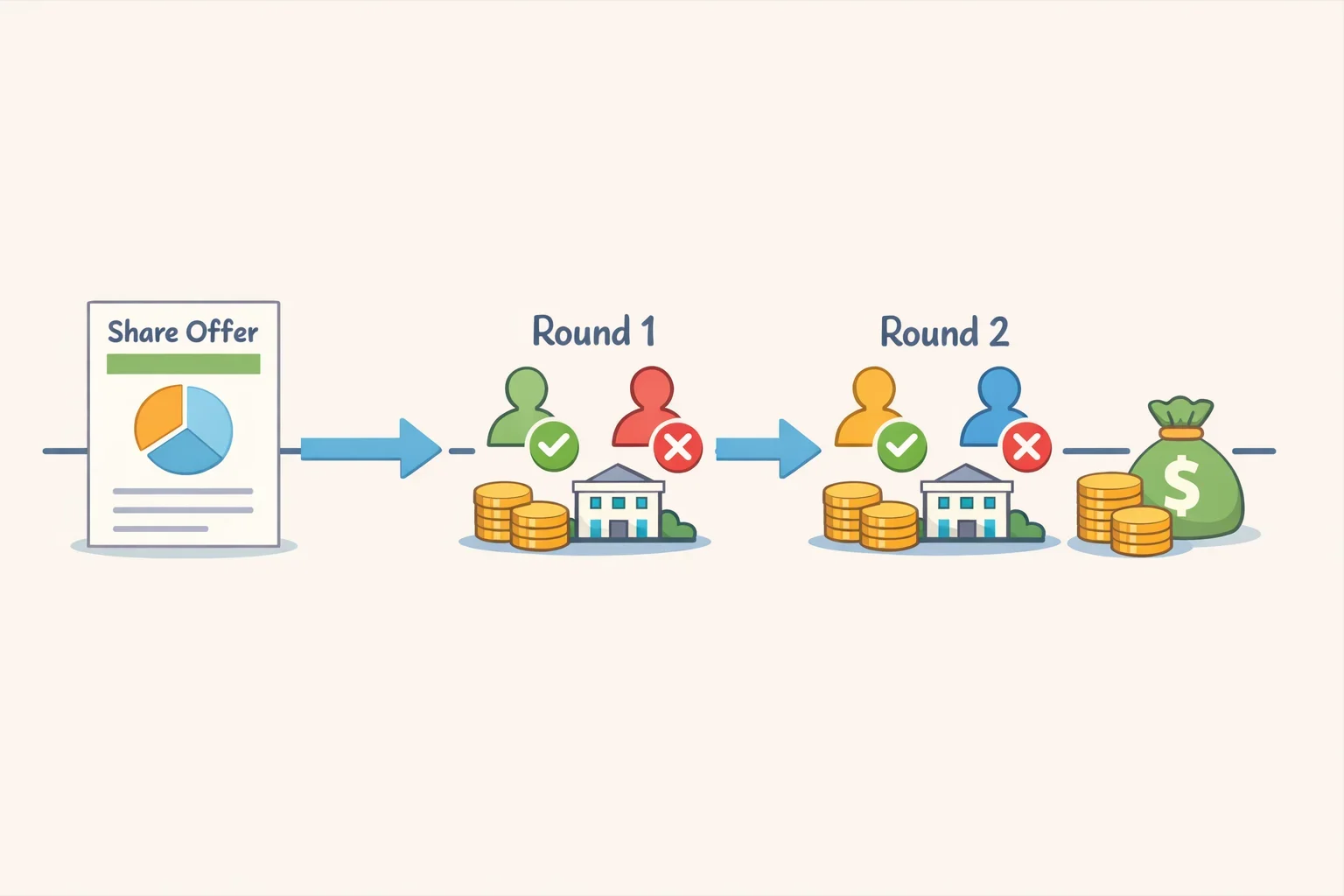
West Ham's articles of association include a pre-emption clause: any share sale must be offered to existing shareholders first, giving them the chance to match the price before an outside buyer can complete the deal, BBC Sport reported.
BBC Sport reported the process runs in two rounds and could take around two months in total, while Hammers News reported a now-obligatory 60-day window applies to the sale. The two figures describe the same general timeline rather than identical legal terms, and either one pushes resolution well past the August 16 opener.
Under this structure, Staveley's consortium can complete the purchase only if no other shareholder chooses to match the offer. Křetínský could instead exercise his own pre-emption right and take the stake himself. Sullivan could in theory also make an offer, though BBC Sport reported it remains unclear whether he would be allowed to, given the unresolved allegations against him, which he denies.
Acquiring Gold's stake could give Křetínský a much larger holding, but BBC Sport reported that crossing 50% would require him to make an offer for the remaining shares, a threshold his recent stake sale would allow him to avoid if he goes on to match Gold's sale.
What each ownership outcome would actually change
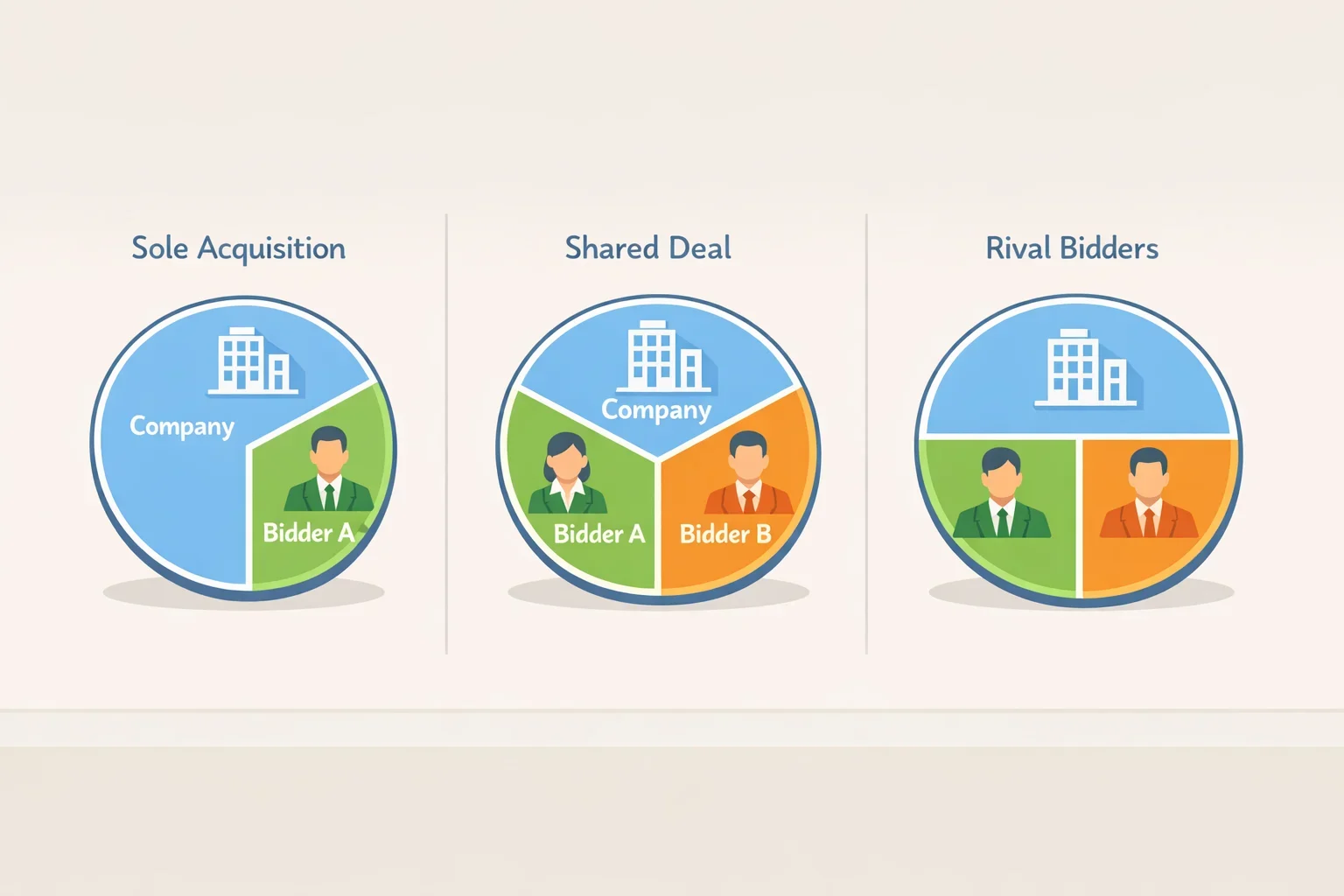
None of the three scenarios reported so far hands anyone immediate control of the club.
- If Staveley's consortium completes the purchase, it secures a substantial 25.1% minority position. i reported that her ambitions would stay limited regardless, because Sullivan and Křetínský would still hold a combined majority between them.
- If Křetínský matches the offer instead, his overall holding grows while staying below the reported 50% mark, keeping him clear of the obligation to bid for the rest of the club, per BBC Sport.
- If Sullivan were permitted to bid, his existing 38.8% stake could make him a major factor in the outcome, though the supplied reports do not establish that he intends to make an offer for Gold's shares.
Daniel Kretinsky West Ham stake sale: what it changes
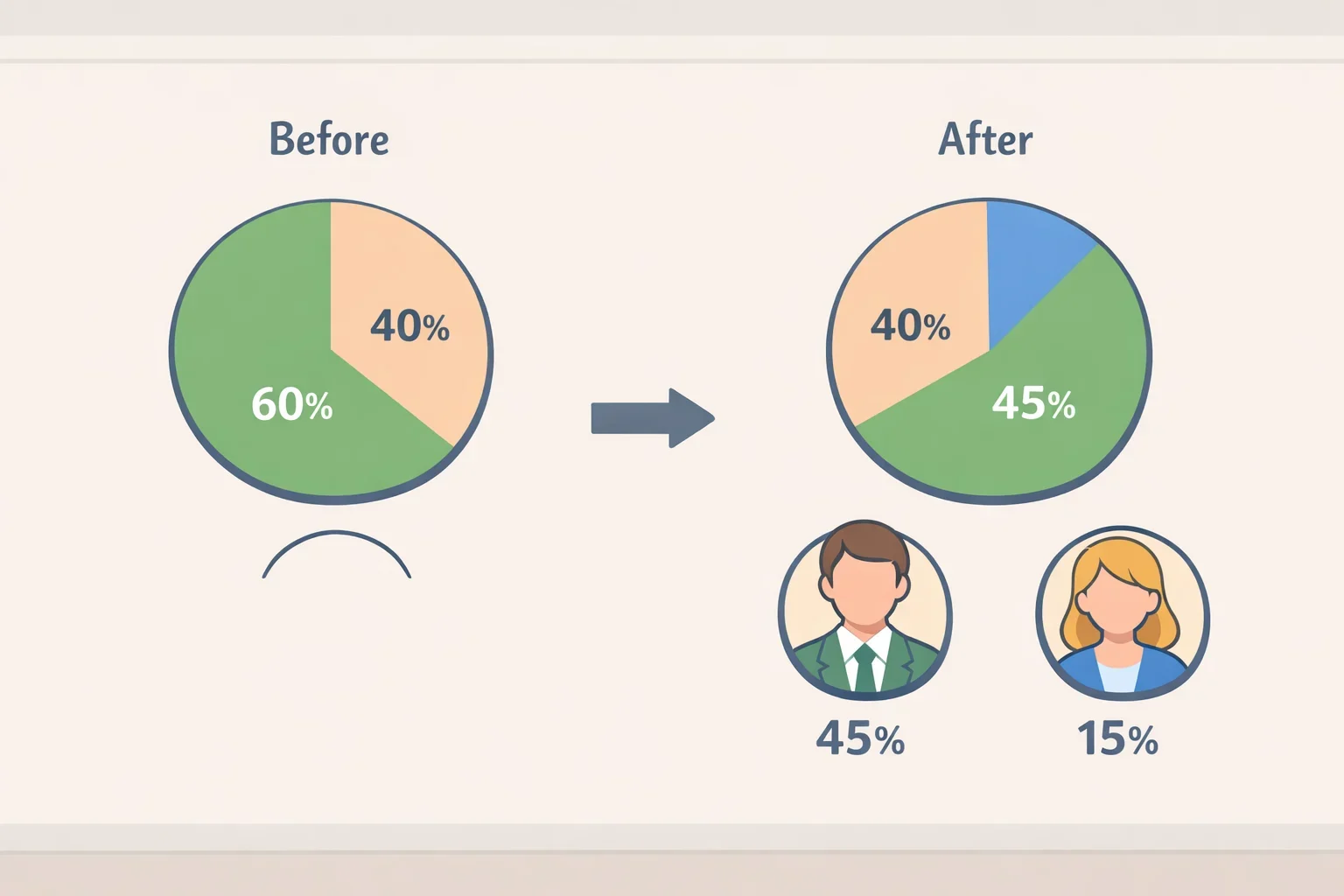
Křetínský sold just over 2% of his holding to Czech businessman Jakub Havrlant earlier this month. BBC Sport reported the move matters because it lets him acquire Gold's 25.1% stake without pushing his own total above 50%.
Křetínský has spoken out against the Staveley deal and said he was "considering his options" after Gold's family announced its plans, BBC Sport reported. He had reached an agreement with Gold announced in June, but that deal collapsed amid the fallout from the Sullivan allegations.
Announcing the Havrlant sale, Křetínský said he was "delighted" Havrlant had joined the ownership group, adding that he "brings exceptional experience as an investor and digital innovator," according to the same BBC Sport report. That statement concerned Havrlant's arrival as a shareholder, not confirmation that Křetínský intends to match Staveley's bid for Gold's stake, and Křetínský noted the Havrlant sale itself remains "subject to the pre-emption process."
Where Sullivan and Staveley's financing stand
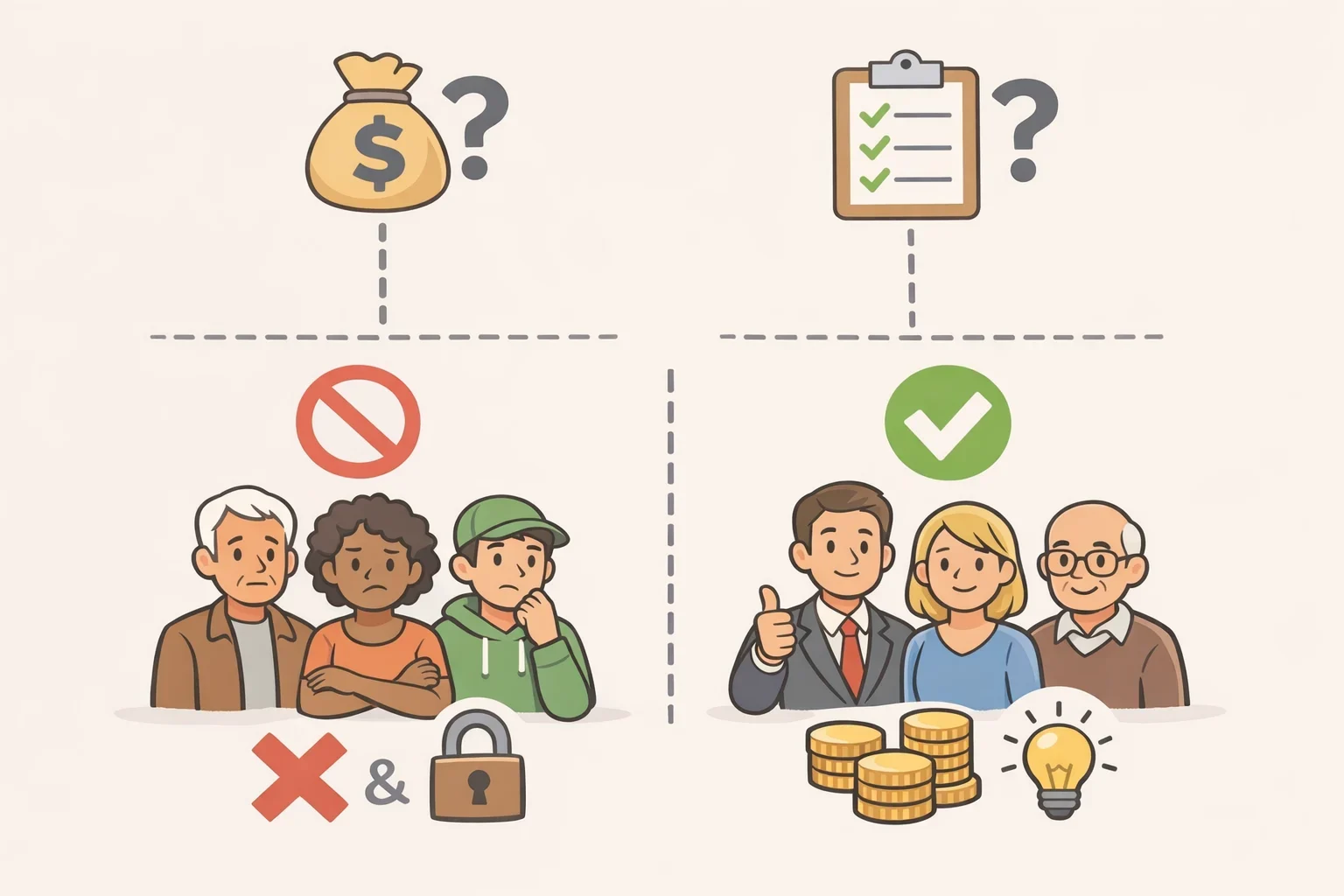
i reported that Křetínský is increasingly central to the situation, given his opposition to the Staveley deal and his position as a shareholder. The same report described Sullivan's continued 38.8% stake as a significant obstacle to any shift in control, since he remains West Ham's largest shareholder.
i estimated Staveley's personal holding at around £150m and reported that her investment vehicle, PCP, would likely need to bring in wealthier partners to have a meaningful role at the club. That reporting stops short of confirming the bid is fully financed.
The supplied reports do not identify a move by Sullivan to acquire Gold's shares. Whether he would even be allowed to make an offer is a separate question tied to the misconduct allegations against him, which he denies, BBC Sport reported.
Away from the pre-emption fight, West Ham's Fan Advisory Board has asked Sullivan not to attend home matches this season, warning his presence could become a "distraction" and a potential security concern, Sky Sports reported.
What the West Ham ownership battle means for the season
West Ham's official communication, reported by Hammers News, stated that day-to-day operations and the team would be unaffected by the ownership dispute. That statement came alongside Křetínský's own comments accusing Gold of "destabilising" the club, also reported by Hammers News.
The transfer window has looked lopsided during the standoff. Crysencio Summerville, Mateus Fernandes and Freddie Potts have left for a combined £150m, while only one player, winger Keiber Lamadrid, has arrived, i reported, noting that player trading appears to have been affected by the standoff. That framing describes an observed pattern rather than a confirmed cause.
More than 50,000 supporters have renewed or purchased season tickets for the 2026-27 campaign, Hammers News reported. The West Ham United Fan Advisory Board, which represents supporters in dealings with the club, said that commitment deserves transparency from the boardroom: "Supporters deserve certainty that those entrusted with the stewardship of West Ham United are acting decisively, responsibly and in the best long-term interests of the club," the FAB said in a statement carried by Hammers News. That statement reflects supporters' concerns rather than an independent finding that the ownership dispute has affected football operations.
As of this week, the pre-emption process on Gold's shares remains open, and BBC Sport reported it is expected to take about two months in total, extending well beyond the August 16 opener. The next thing to watch is confirmation from the shareholders or the club on whether Křetínský has matched the offer or Staveley's consortium has cleared the process to proceed.