
New NHL Emergency Backup Goalie Rules: What Changes in 2026-27
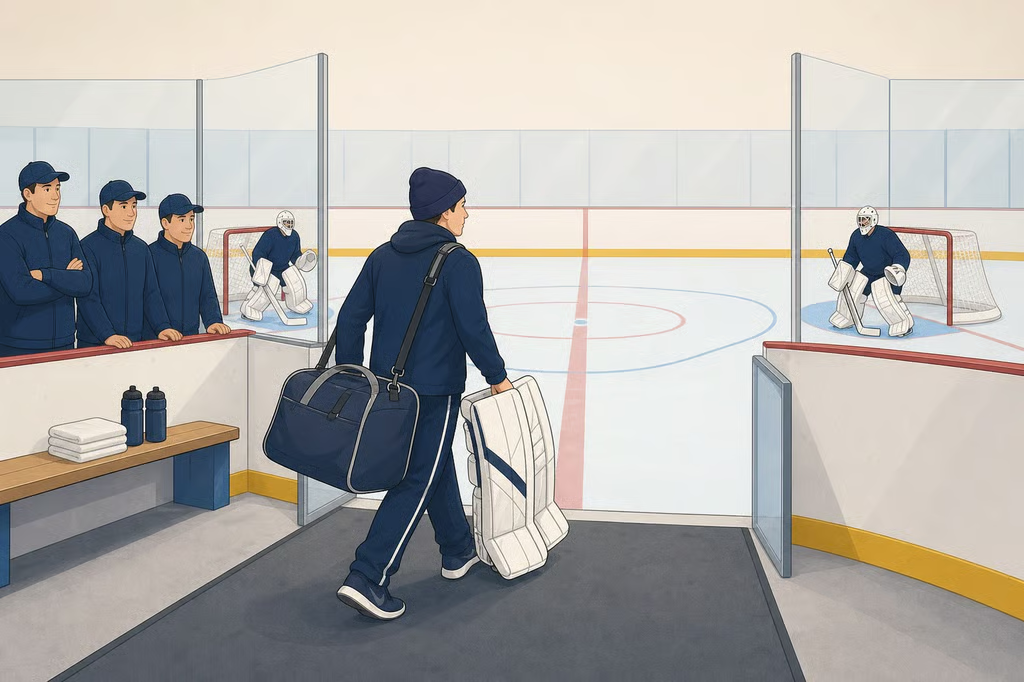
The new NHL emergency backup goalie rules take effect with the start of the 2026-27 season, ending a system that turned a Zamboni driver and an accountant into unlikely folk heroes. Every NHL franchise must now employ and travel with its own emergency backup goaltender rather than relying on a single local amateur shared by both teams in an arena, according to the Ottawa Citizen, reporting three weeks ago.
Under the old model, the home team supplied one EBUG for the night, and either club could call on that same person if both of its rostered goalies became unavailable during a game, the Edmonton Journal reported seven months ago. The change is part of a new Collective Bargaining Agreement that also expands the regular season to 84 games for the first time since the 1993-94 season, per the Ottawa Citizen.
Here's what the team-employed EBUG requirement actually covers, who still qualifies to strap on the pads in an emergency, and how the rule connects to the rest of this year's CBA changes.
How the new NHL EBUG rules work
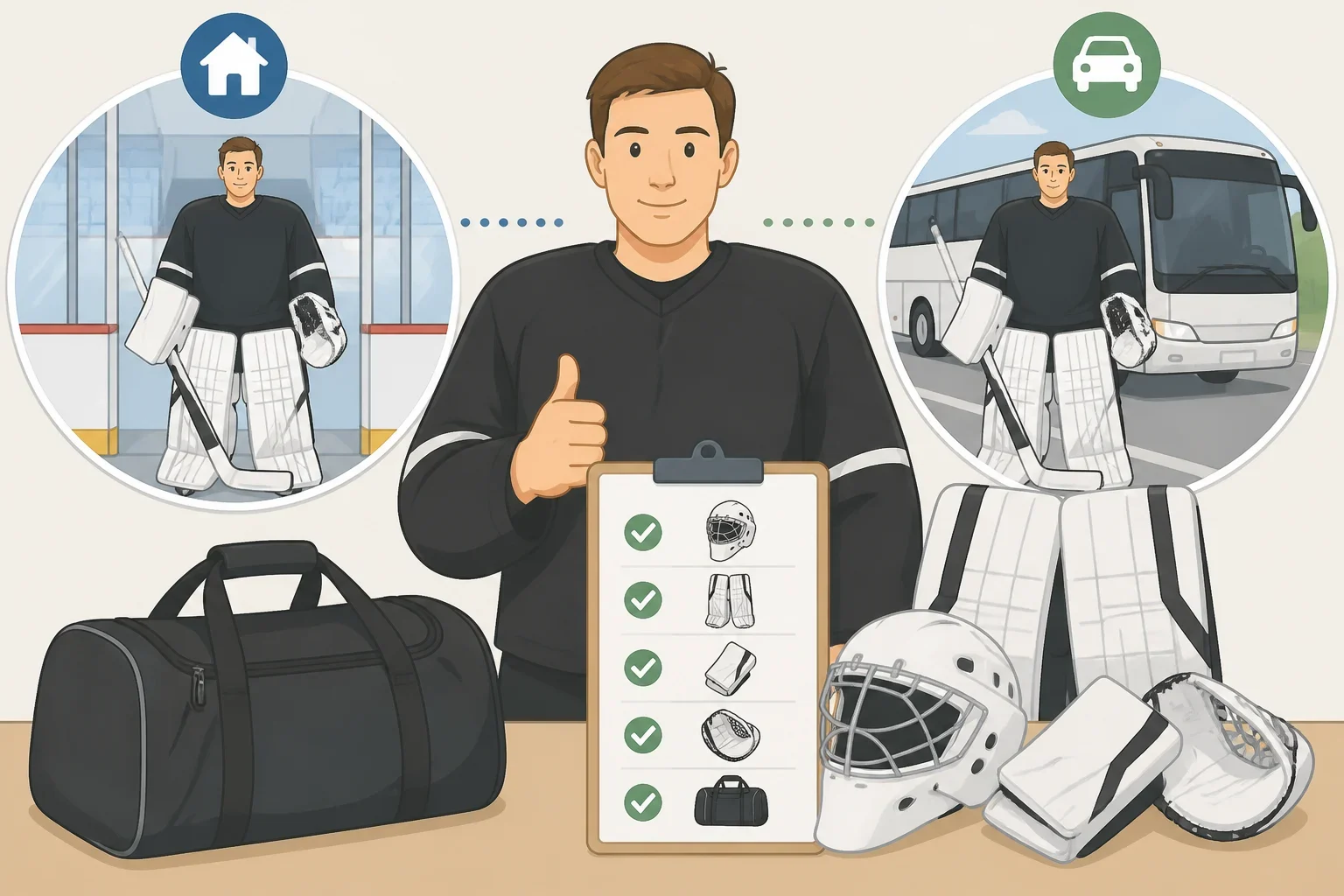
Each franchise now has to employ its own emergency backup goaltender and bring that person on road trips, instead of leaning on whichever backup the home team happened to have on hand, the Ottawa Citizen reported. That's the core of the new NHL emergency backup goaltender rules for 2026-27.
These EBUGs are team employees who must be approved by the league and present at both home and road games, according to a Buffalo Sabres explainer published on NHL.com 14 months ago. The Edmonton Journal described the role as regular and paid, one that includes practicing with the club rather than just holding a ticket in the stands, as the paper reported seven months ago.
A goaltender who actually gets into a game wears jersey No. 00, the Ottawa Citizen noted. That detail only applies once a backup is on the ice; it isn't a number fans should expect to see on a roster sheet most nights.
Who is eligible to be an NHL emergency backup goaltender
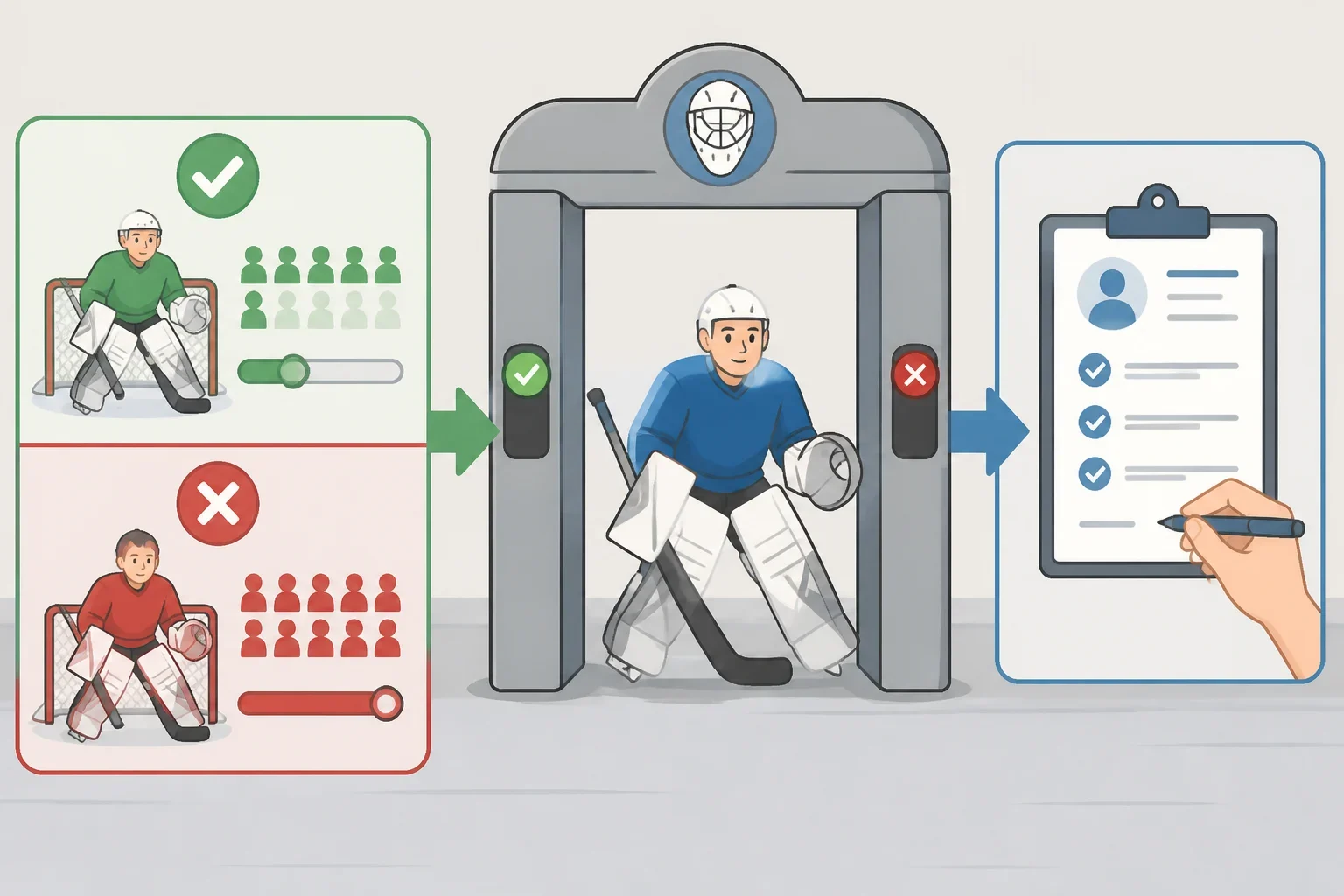
A candidate cannot have played an NHL game under a standard contract and cannot have played professional hockey in any of the prior three seasons, according to the Ottawa Citizen and a Buffalo Sabres explainer published on NHL.com. Reporting differs, though, on the professional-games ceiling attached to those conditions.
The Ottawa Citizen describes the limit as barring anyone who has "appeared in more than 80 professional games," and the Edmonton Journal separately frames it as a candidate having "no more than 80 games of pro experience," per that report. Both readings would let a goalie with exactly 80 professional games still qualify. The Buffalo Sabres explainer on NHL.com states the cutoff differently, barring anyone with "80 or more" professional games, language that would exclude a goalie sitting at exactly 80. Available reports disagree on whether the limit excludes exactly 80 professional games.
The trigger for actually using an EBUG in a game comes from NHL Rulebook Section 5.3, which reads: "If both listed goalkeepers are incapacitated, that team shall be entitled to dress and play any goalkeeper who is eligible," Pittsburgh Hockey Now reported five months ago. Even with a team-employed EBUG practicing alongside the roster all season, that goaltender still needs a short-term Amateur Tryout Agreement or Professional Tryout to become eligible for the specific game he plays in, per the same report. The games-played limits and the tryout paperwork point to the same thing: this remains an emergency-only role, not a conventional third goalie who might dress on any given night.
Old system vs. new system
The concept traces to March 3, 2015, when Florida Panthers starter Roberto Luongo left a home game against Toronto with an injury and backup Al Montoya went down with a groin injury of his own, leaving the team without a healthy goaltender, Pittsburgh Hockey Now recounted. The following season, the NHL required every team to keep a list of local emergency goalie options available to both clubs, the arrangement fans have known for the past decade.
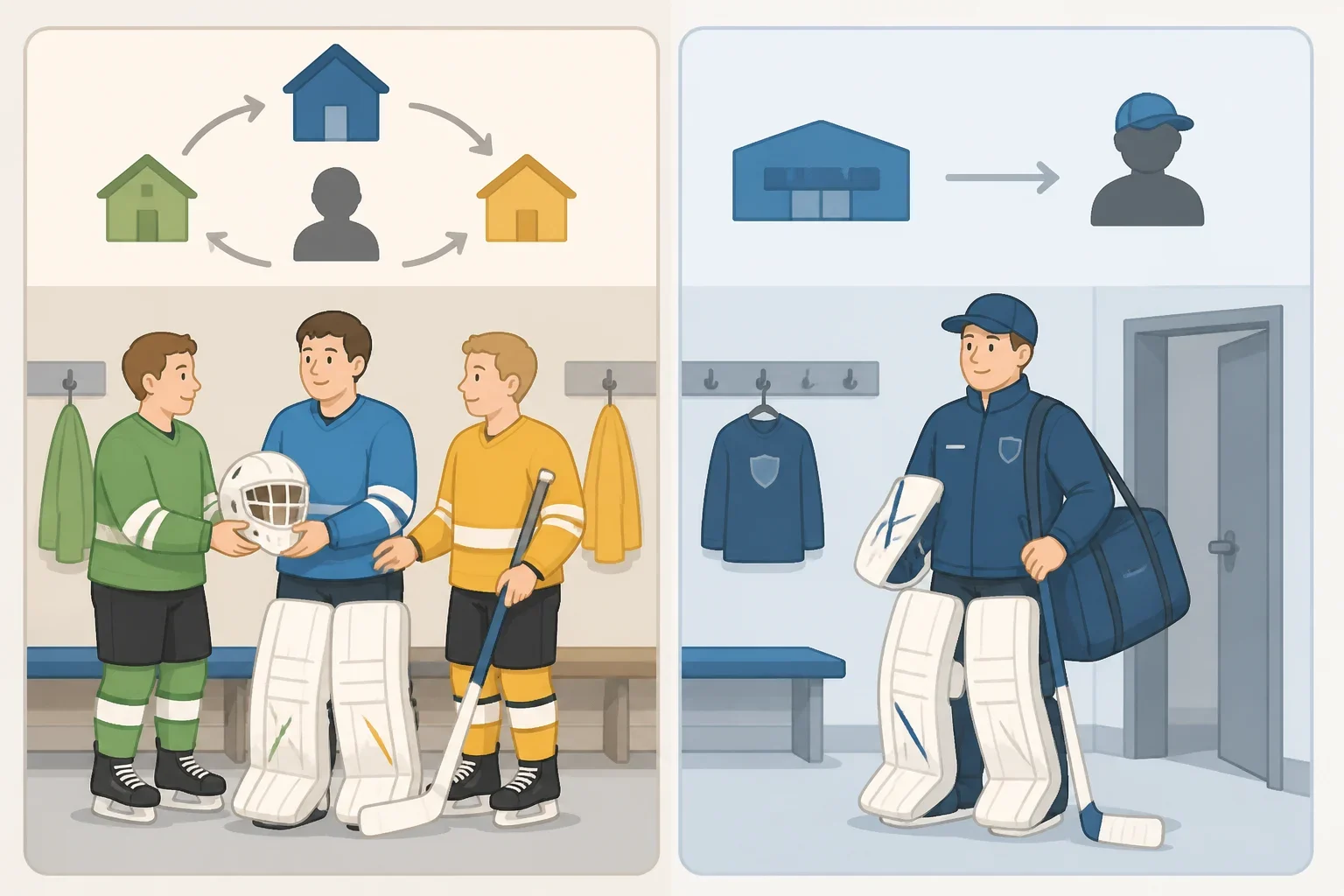
Under that system, an amateur EBUG could be called down from the stands, sign a temporary contract on the spot, and be ready to play for either team, home or away, with essentially no notice, the Edmonton Journal explained. Teams could use an emergency goalie twice a season before facing roster penalties, and a professional tryout contract paid a flat $500 stipend for the appearance, per the Edmonton Journal.
The practical difference for 2026-27 comes down to three things:
- Old system: one local amateur, arranged by the home team, available to either club on short notice.
- New system: each club employs and travels with its own league-approved EBUG, who practices with the team and is present at both home and road games.
- Activation: both rostered goalies must still be incapacitated under Rule 5.3, and the EBUG still signs a same-game tryout agreement before he can play.
The old arrangement produced some of hockey's most improbable nights. Then-42-year-old Zamboni driver David Ayres made eight saves on ten shots across 28 minutes and 41 seconds of action in a 2020 Carolina win over Toronto, and accountant Scott Foster stopped all seven shots he faced in 14:01 of ice time for Chicago in a 2018 win over Winnipeg, earning first-star honors, Pittsburgh Hockey Now reported.
A recurring Pittsburgh emergency goalie identified in that reporting as Comunale described the readiness the job demanded: "I keep my phone handy during intermissions just in case there was an injury that was not obvious during the previous period," he told Pittsburgh Hockey Now. A Buffalo Sabres explainer published on NHL.com framed the new rules as the end of EBUGs being "just-got-off-their-day-job folk heroes" like Foster and Ayres.
Why every team now needs its own team-employed EBUG
The EBUG overhaul lands alongside an 84-game regular season, only the third schedule of that length in NHL history, the Ottawa Citizen reported. The Edmonton Journal connected the two changes directly, reporting that a full-time EBUG can help run practices and give a rostered goalie an occasional day off as the longer schedule adds strain, per that report, a workload rationale the paper laid out rather than a stated reason from the league office.
The EBUG change arrived alongside several other CBA adjustments this year. Preseason schedules shrank to four games per team, down from six, with the Ottawa Senators and Montreal Canadiens playing a fifth ahead of a Kraft Hockeyville game in Trois-Rivières, according to the Ottawa Citizen. Contract-term maximums also shifted starting Sept. 16, 2026: seven years for a player re-signing with his current club, six years for a player signing with a new team as an unrestricted free agent, per the same report.
Players making their NHL debut in 2026-27 or later must wear neck guards or protective undershirts covering the neck, while that protection stays optional for anyone with prior NHL experience, the Ottawa Citizen noted. The paper also reported that the NHL and Canadian Hockey League finalized a separate agreement allowing 19-year-old first-round draft picks to be loaned to the AHL, citing comments deputy commissioner Bill Daly made to The Hockey News.
None of those changes touch goaltending directly, but they show the EBUG rule arrived as one piece of a broader operational reset rather than an isolated tweak.
What's still unclear entering the season
Some practical details haven't surfaced in reporting yet. Exact pay structures for the new EBUG role, and how these goaltenders travel to road games, remain unspecified in the available coverage. Reporting also hasn't detailed the finer administrative steps for a mid-season call-up beyond the standard tryout agreement.
What to remember for 2026-27
Every NHL team now carries its own league-approved emergency goaltender for home and road games. That goaltender still can't have played an NHL game under a standard contract or played professional hockey in the prior three seasons, and reports differ on whether hitting exactly 80 professional games would also disqualify him.
Check team broadcasts or rosters this season for a goaltender listed at jersey No. 00. An in-game appearance would still require both rostered goalies to be unavailable under Rule 5.3, so it remains an emergency measure by rule, not a routine occurrence.