
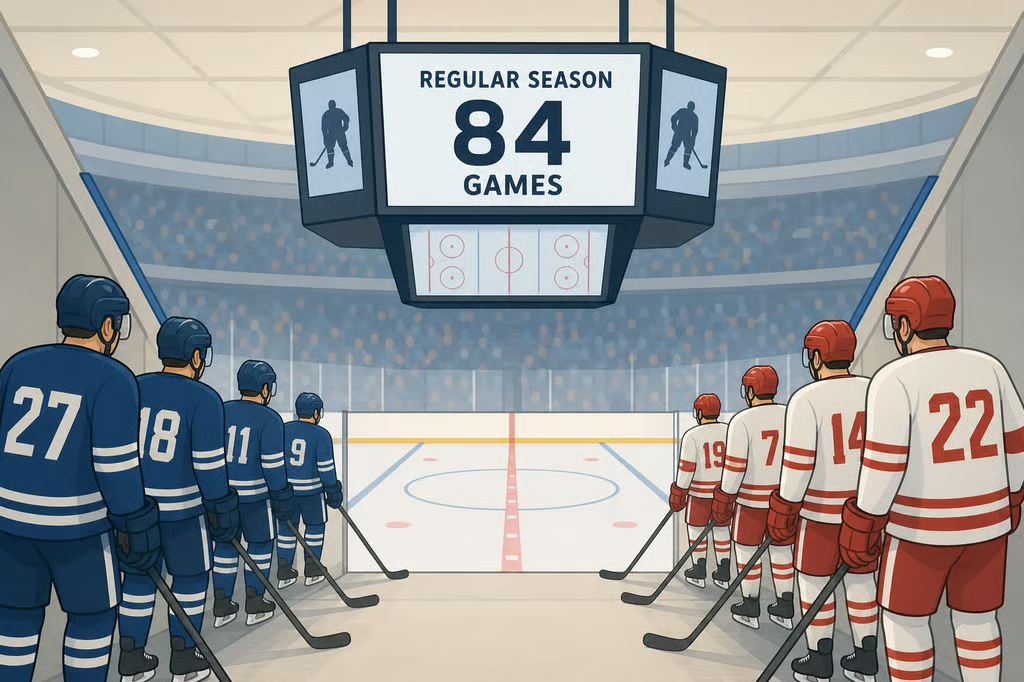
Why are NHL teams playing 84 games in 2026-27?
Why are NHL teams playing 84 games this season instead of the usual 82? Two extra games trace back to the NHL's new collective bargaining agreement with the players, and the league used them to correct an uneven split in divisional matchups that some franchises had flagged under the old 82-game format, according to ESPN. It's the first increase to the league's regular-season length since the NHL adopted an 82-game schedule in 1995-96, according to the same ESPN report.
The season opens Sept. 29 with a nationally televised tripleheader on ESPN, and the added games have already reshaped training camp and preseason planning for all 32 clubs, according to NHL.com's schedule release. Across the league, the schedule adds up to an all-time high of 1,344 regular-season games played over 194 days, according to NHL.com's stats pack.
What follows breaks down why the league added the games, how those two extra dates land on a team's calendar, and what a four-game preseason means for the coaches and players getting ready for opening night.
Why the NHL added two games to the 2026-27 schedule
The jump to 84 games came out of the NHL's new CBA, agreed to by owners and players in their most recent round of labor talks. The agreement took effect Sept. 16 and runs a four-year term, according to ESPN.
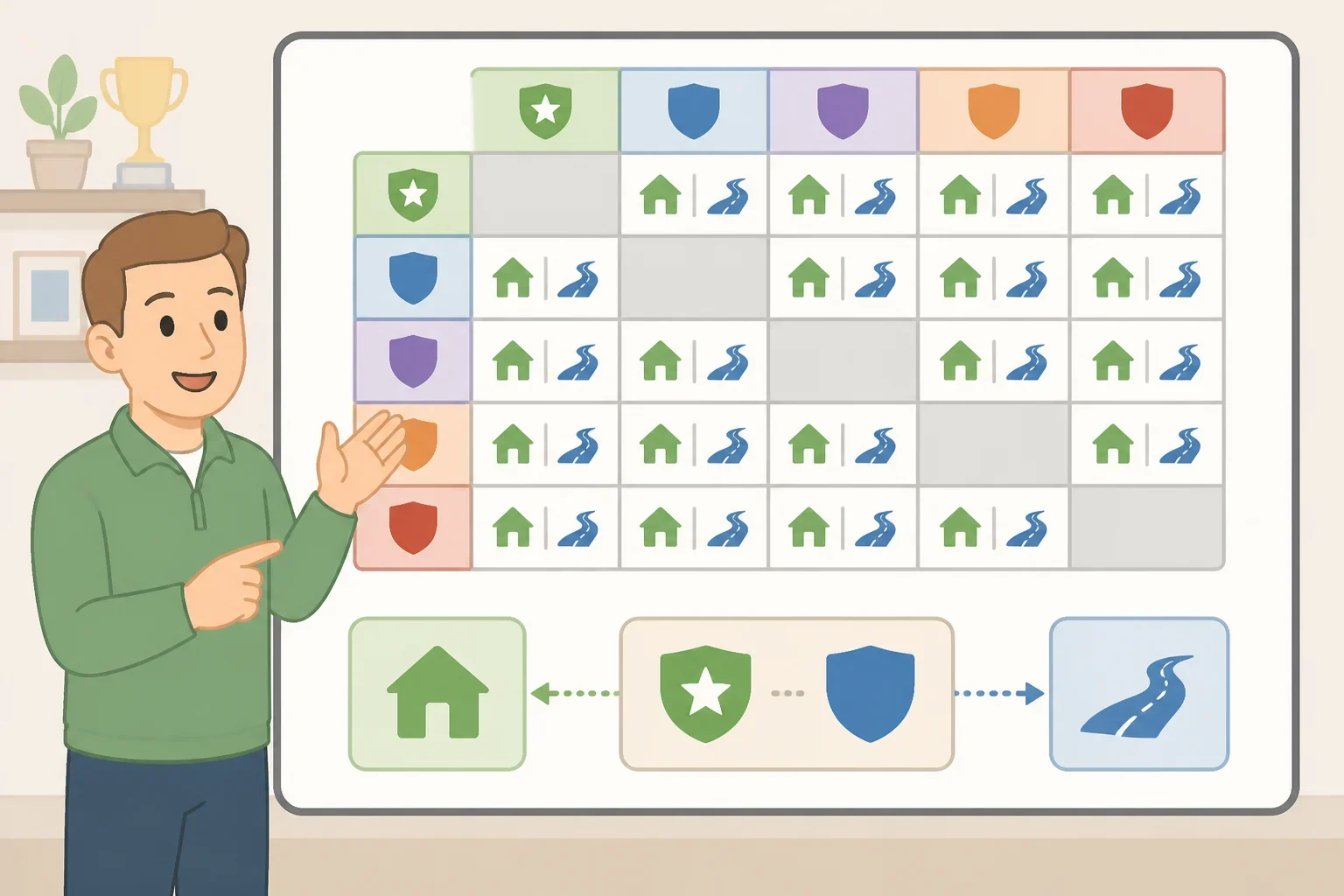
Some franchises had complained about an imbalanced number of games against divisional rivals under the 82-game format, and the league used the new agreement to fix it, according to the same ESPN report.
Under the new format, every team plays each of its seven division rivals four times a season, split evenly at two games at home and two on the road, per ESPN. Each team's two added games are specifically that extra home-and-road set against a division opponent, confirmed separately by NHL.com's stats pack.
How the NHL's 84-game schedule breaks down
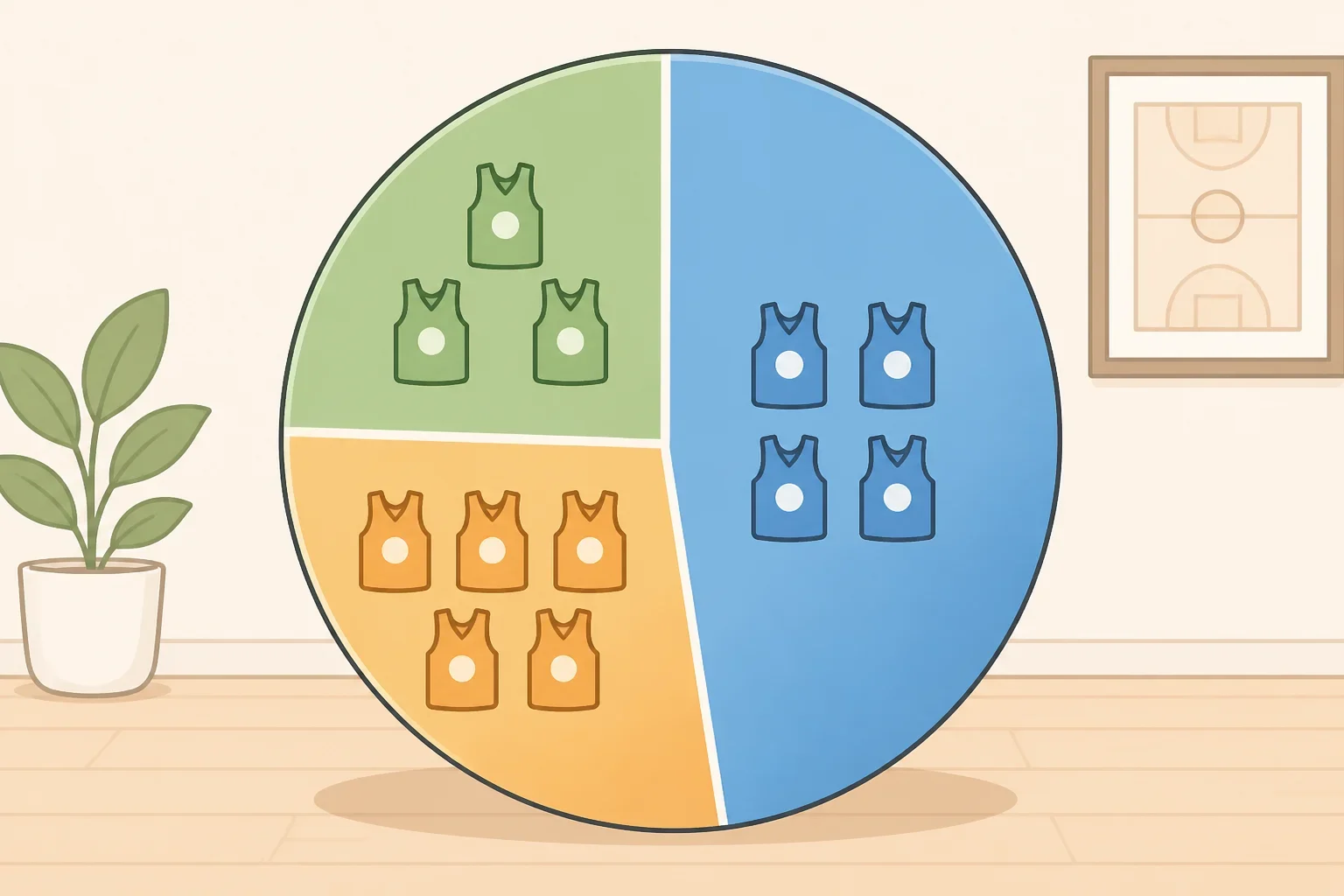
The division-rival math accounts for 28 of the 84 games. The rest splits across conference and non-conference opponents in a way that nets out to a balanced 42 home and 42 road games, per NHL.com and ESPN:
- Seven division rivals: four games each, two home and two road = 28 games
- Four teams from the other division in the same conference get two home and one road game each; the remaining four teams in that group get one home and two road games each = 24 games
- All 16 teams in the opposite conference: one home game and one road game each = 32 games
Add the three totals, 28 plus 24 plus 32, and it lands exactly on 84, per ESPN.
Opening night falls on Sept. 29 with an ESPN tripleheader (Florida at Carolina, the Rangers at Boston, Chicago at Vegas) and a Sportsnet doubleheader (Montreal at Toronto, Vancouver at Edmonton), according to NHL.com's stats pack. NHL on TNT makes its season debut the following night, Sept. 30, per the same source. It's only the second time the league has opened its regular season in September, following the 2007-08 campaign's Ducks-Kings back-to-back in London.
The season runs 194 days and wraps April 10, 2027, when all 32 teams play on the same day, a slate that includes 12 divisional games tying the single-day record for that matchup, according to NHL.com's stats pack.
This is only the third 84-game season in the NHL's 109-season history, following 1992-93 and 1993-94. Those earlier expanded seasons padded schedules with neutral-site games in cities like Halifax, Phoenix and Saskatoon, according to NHL.com's stats pack. This time, the two added games are home-and-road matchups against divisional opponents rather than novelty locations.
Why is the NHL preseason reduced to four games?
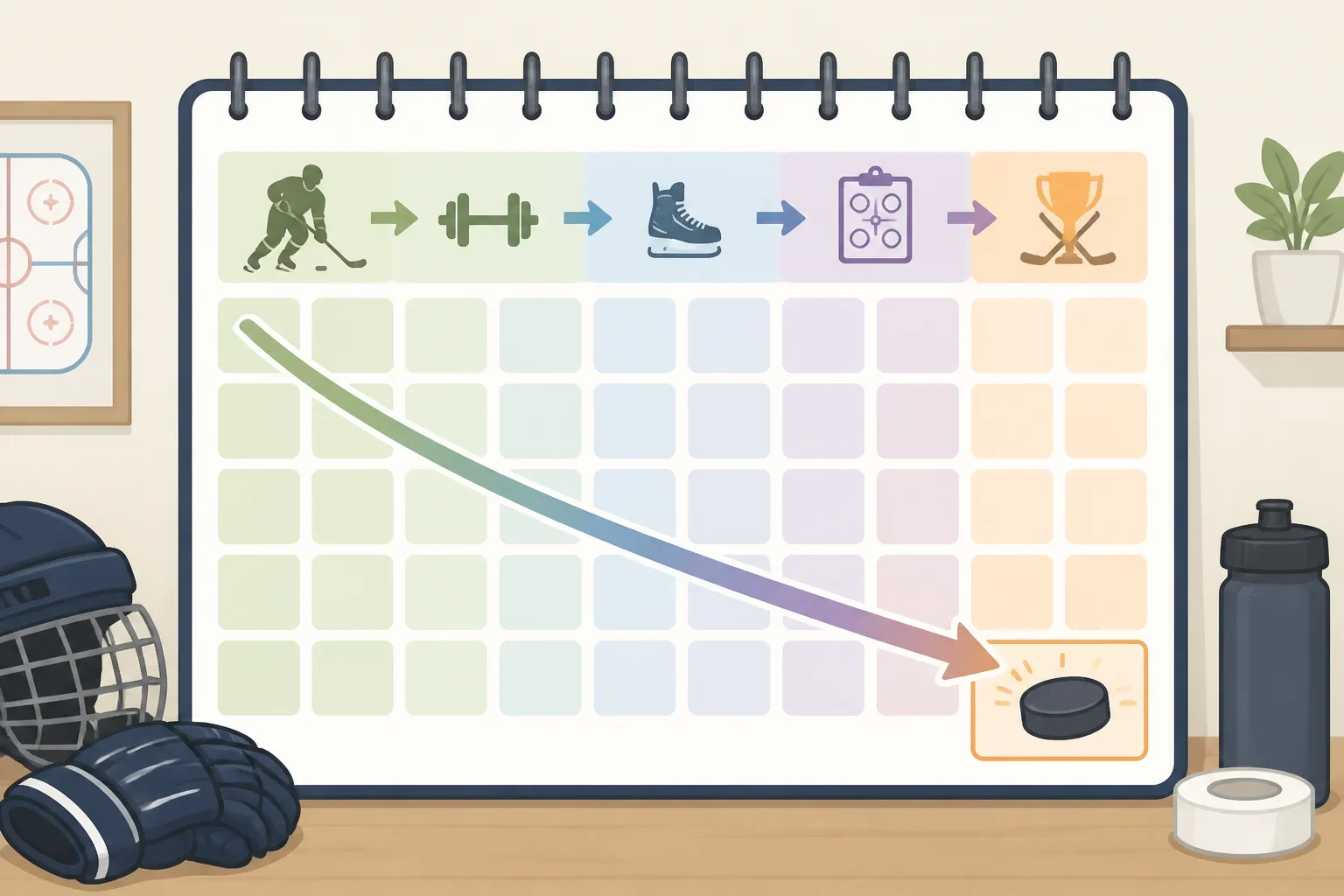
The schedule pairs the two-game increase with a shorter preseason and a Sept. 29 start. Most teams previously played six to eight exhibition games; the new CBA cuts that to four, according to NHL.com. Players with at least 100 games of NHL experience are further limited to two of those exhibitions, per the same report.
The 10 teams playing on opening night Sept. 29 will have just 12 days between first practice and puck drop, NHL.com reports. Rangers coach Mike Sullivan did the math on what that leaves for actual practice time: four game days plus a couple of rest days works out to six practices before the opener. "So, it, for sure, is going to change the format of how we're going to do things to prepare the team as best we can for Day 1," he said, according to NHL.com.
Capitals coach Spencer Carbery described a shift in what camp is even for. "We're approaching it as much more, 'Get the Washington Capitals ready for game 1 against the Carolina Hurricanes,' as opposed to, 'Let's take a look at all these young players, let's try some different things, let's evaluate,'" he said, per NHL.com.
New Kings coach Peter Laviolette pointed to the shrunken learning window that comes with only four preseason games. "Everything will be brand new from Day 1, so the learning part of it, that window has shrunk quite a bit, and that's just something that I'm going to have to deal with," he said. "I'm going to have to get that information out there. Sometimes you might not get to a power play until Day 5," per NHL.com.
Mandatory fitness testing has also been eliminated under the new CBA, and coaches told players during the offseason they'd need to show up ready to perform from the first day of practice, according to NHL.com. Pittsburgh's Sidney Crosby, entering his 22nd NHL season, recalled a different camp culture from when he entered the league in 2005, when teams practiced for a week before their first preseason game. "That's where guys actually got in shape and got ready for the year, and that then changed a lot," Crosby said, contrasting that era with today's, when players typically arrive already conditioned, per NHL.com.
NHL.com described the shortened preseason as "the new norm with the NHL" going forward, distinguishing it from past condensed camps tied to labor stoppages or the pandemic, according to NHL.com's reporting. Kings forward Quinton Byfield put the adjustment plainly: "I feel we're all going to learn together," he said, per the same source.
What the NHL's 84-game schedule means going forward
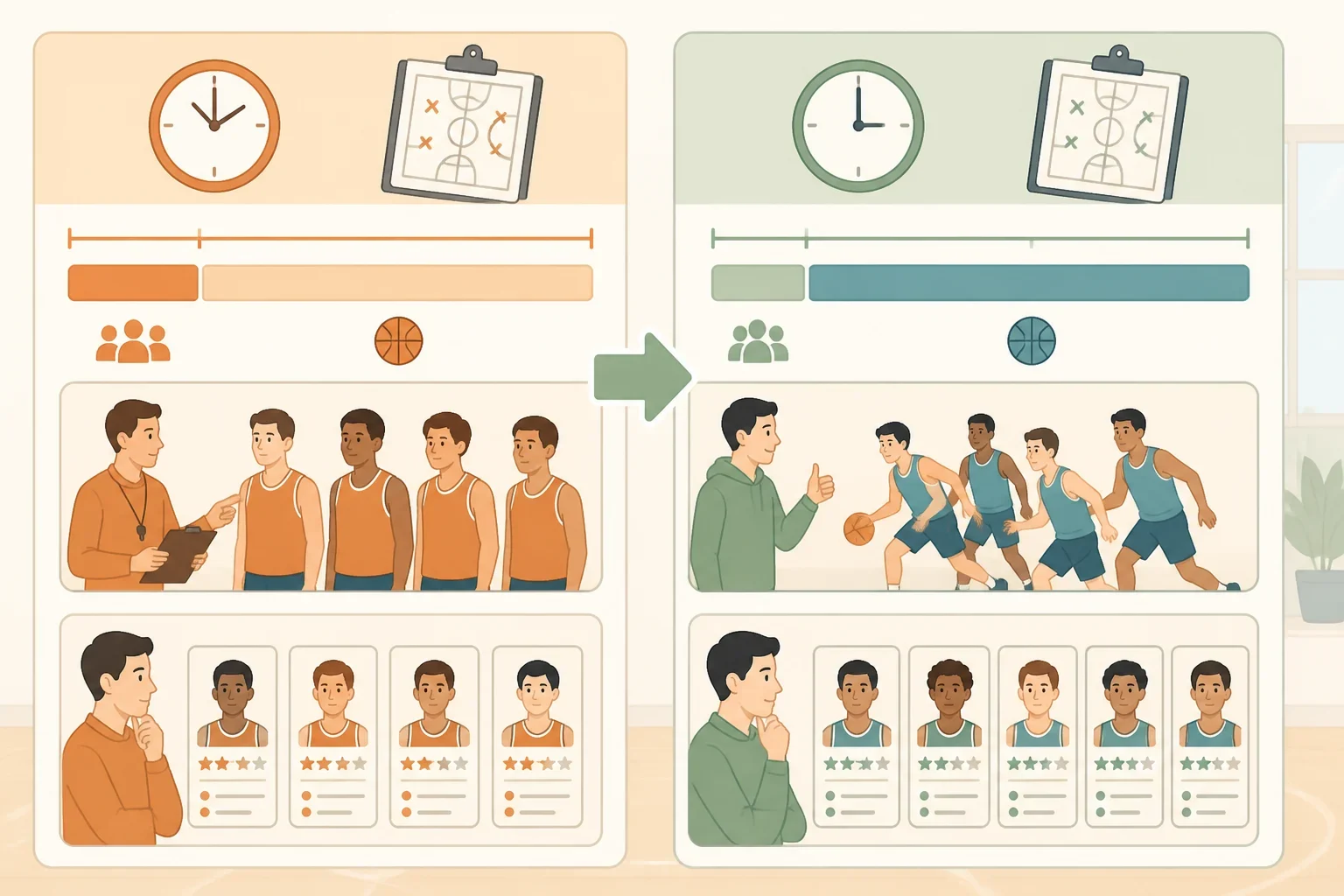
The change plays out in two places: on the schedule itself, and in the days leading up to it. Fans get an evenly balanced slate against division rivals, replacing the lopsided splits that drew complaints under the old format, according to ESPN.
Teams get less runway to prepare for it. A four-game preseason and a compressed training camp leave coaches fewer chances to test lineups, evaluate prospects, or install new systems before games start counting, according to NHL.com and the coaches quoted above.
Both changes trace back to the same four-year CBA, and NHL.com frames the shorter preseason as a lasting change rather than a one-season adjustment, according to NHL.com's reporting. Check your team's 2026-27 schedule for its new four-game divisional split, and watch how the shorter camp affects roster battles and rookie ice time as the season opens Sept. 29.