
- NFL Trade Deadline Rules 2026: How Player Trades Work
- How an NFL trade actually gets completed
- NFL trade deadline date 2026: what's confirmed and what isn't
- Why some trades happen faster than others
- NFL player trade salary cap implications (dead money explained)
- NFL post-June 1 trade rules explained
- What to check before calling a trade final
NFL Trade Deadline Rules 2026: How Player Trades Work
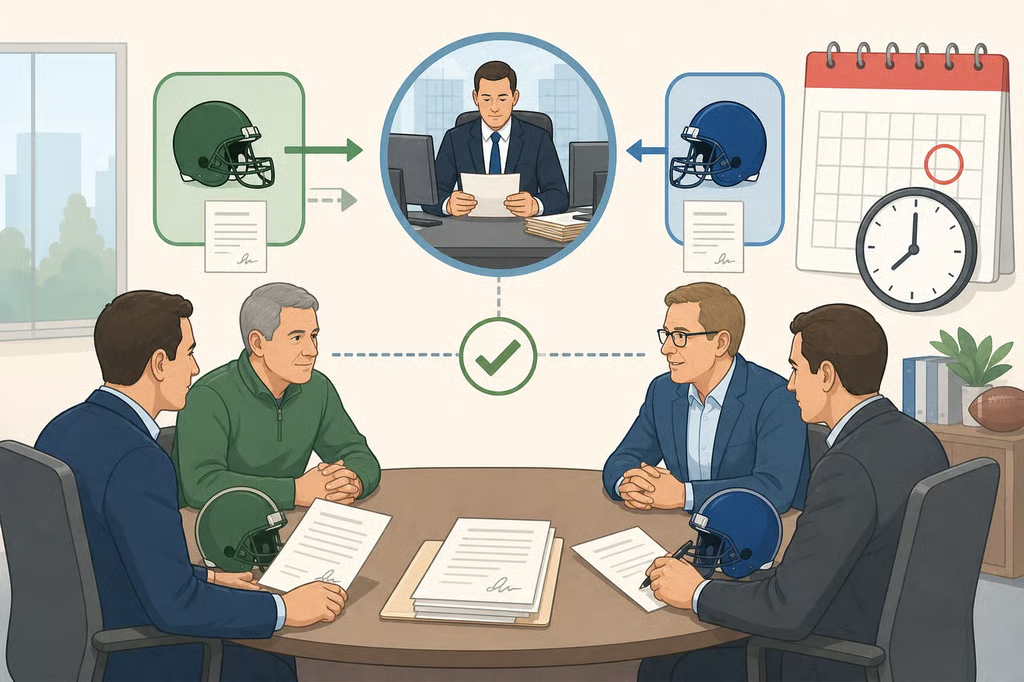
Two NFL front offices announcing they've "agreed to a trade" isn't the finish line. Between that agreement and an actual roster move sits a specific process: a permission requirement before teams can even talk to a player, a physical he has to pass, and salary-cap accounting where cash, contractual salary, and cap charges don't always move together.
This guide draws on a former NFL general manager's trade-process breakdown for NFL.com, a piece that's been updated over time to include trade activity through the 2022 season, along with salary-cap reporting from CBS Sports covering the 2023 league year. Neither source confirms an exact date for the 2026 deadline, so what follows is the framework the league has run on in recent seasons, not a locked calendar entry for this year. Check the NFL's official schedule for the confirmed 2026 date and time before assuming anything about timing.
How an NFL trade actually gets completed
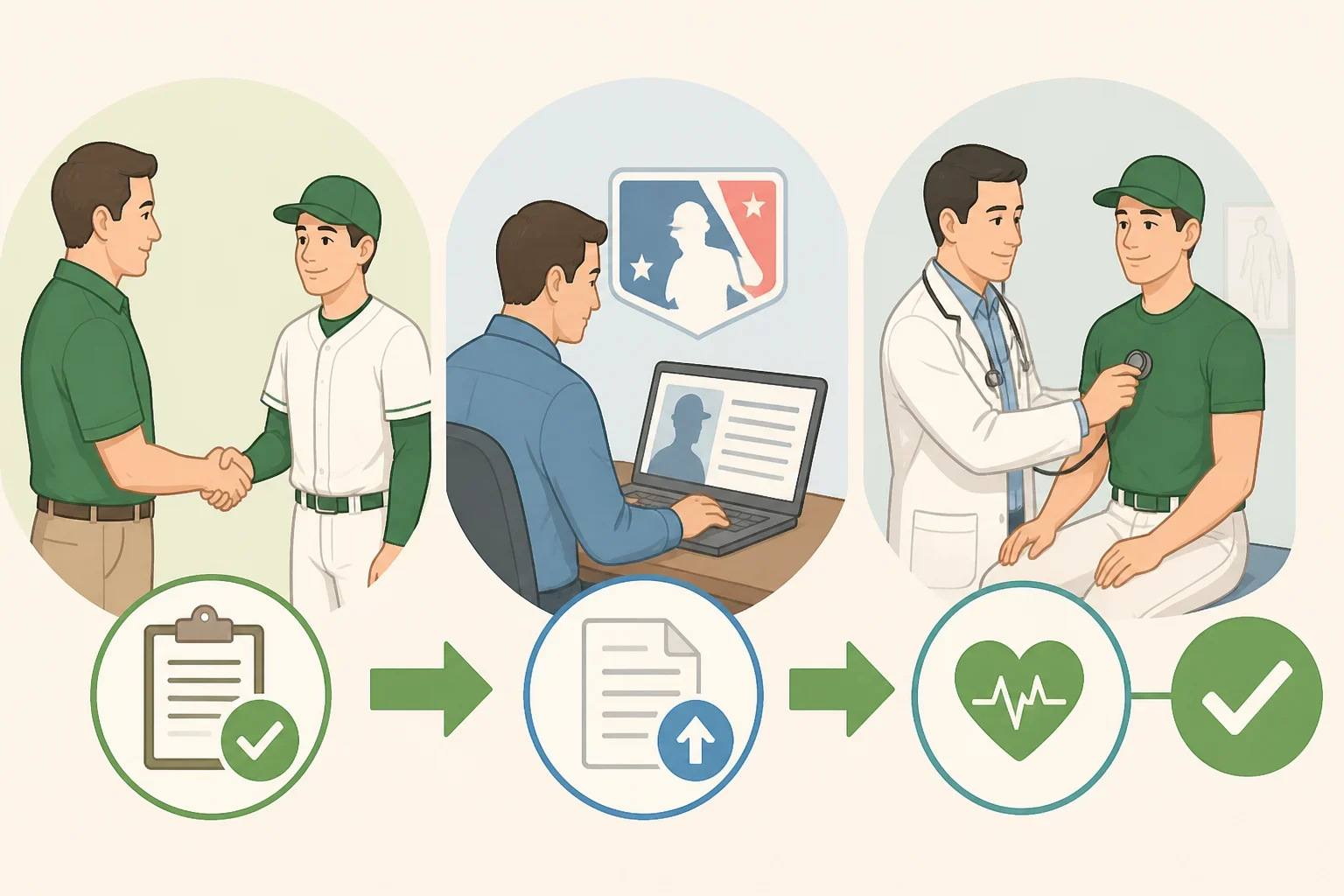
Trade conversations can start almost anywhere people are talking about roster moves. In the experience of the former general manager who wrote NFL.com's breakdown, those conversations commonly run through GMs, head coaches, and agents. Before any of that becomes an official transaction, a few things have to happen first.
- Permission to talk. A team can't just call a player's agent about a trade. It has to confirm with the club that currently holds his rights that he's actually available, and by league rule that club sets the boundaries of what gets discussed, per NFL.com.
- Compensation gets settled. Picks, players, or cap considerations get worked out between the two front offices.
- Submission to the league. The clubs formally submit the deal for league processing.
- Report and physical. Language built into nearly every standard player contract requires the traded player to report to, and pass, the acquiring club's physical before the transaction is treated as complete, according to NFL.com.
That last point matters more than it sounds. An early report that two teams "agreed to" compensation reflects terms the front offices settled on, not proof the transaction has cleared every contractual condition. Under that standard language, the trade isn't considered done until the player has reported and passed his new team's physical.
That compressed runway also raises risk on unfamiliar players. Teams don't always have an existing relationship with a player they're pursuing, and those trades carry more risk because there's often not enough time for full due diligence between when a player becomes available and when the deal closes, per NFL.com.
NFL trade deadline date 2026: what's confirmed and what isn't
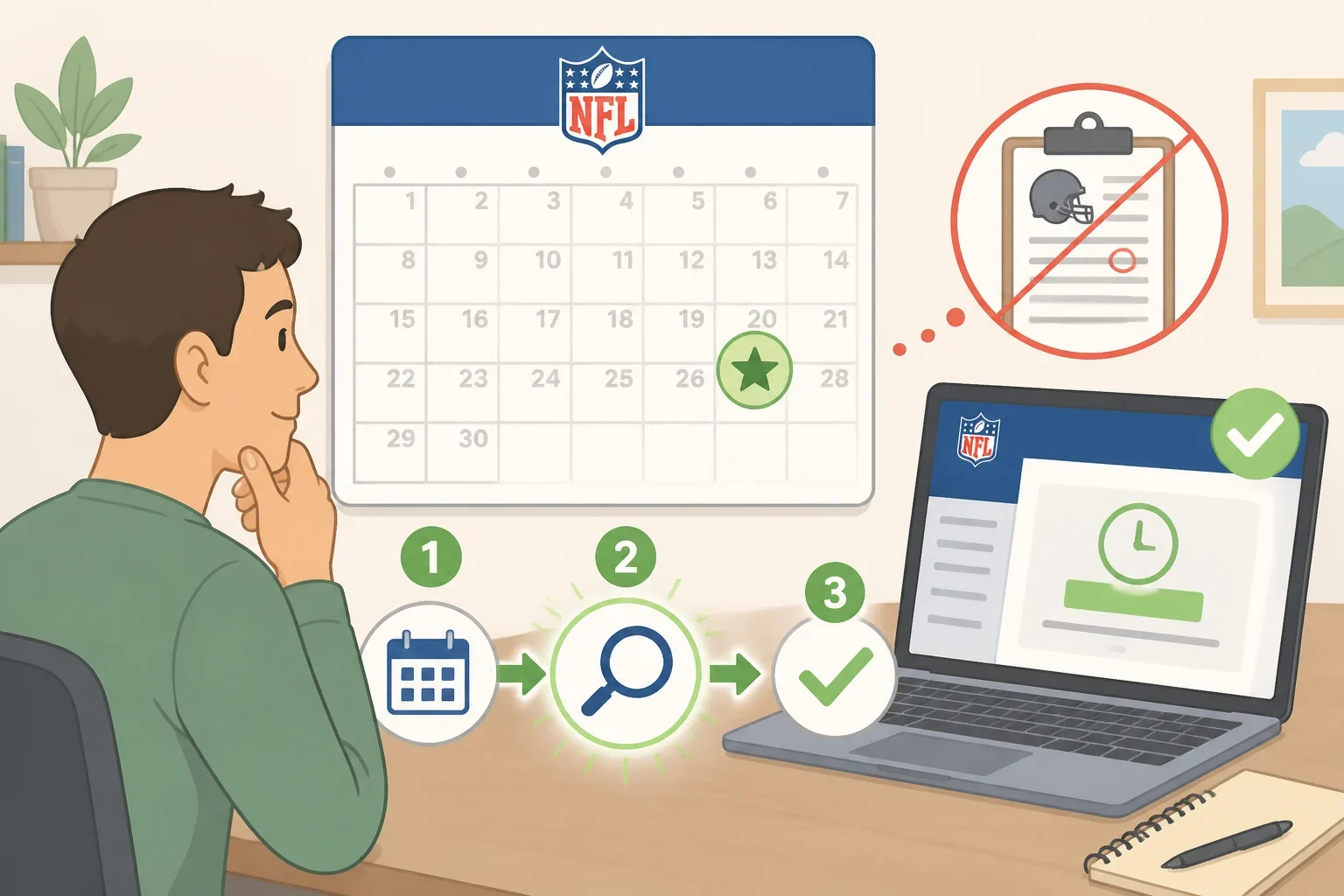
In practice, the trade deadline marks the last point in a season that two teams can complete a new trade for that year. For reference, the 2023 deadline landed at 4 p.m. ET on Tuesday, Oct. 31, ahead of that year's Week 9 slate, per NFL.com. That's one past data point, not a formula for where 2026 falls.
Nothing in the sourcing behind this guide pins down the exact 2026 date or time. Check the league's official calendar directly rather than assuming this year lines up with a prior season.
Missing that window doesn't necessarily kill a deal. Trade conversations that go quiet late in the season can restart in January or February, whether between the same two front offices, a new trade partner, or an executive who has since moved to a different team, per NFL.com.
Why some trades happen faster than others
The NFL's deadline falls much earlier in the season than the NBA's or MLB's, which sit closer to those leagues' postseasons. The former general manager who wrote NFL.com's breakdown attributes that gap partly to keeping teams from running the kind of roster fire sales other leagues see near their playoff pushes, and notes that with only 17 games in a season, adding one player has less immediate impact.
Even with an earlier deadline, in-season trades aren't rare. The 2022 season produced 19 of them, a pace the breakdown's author said he believes could keep growing, per NFL.com.
Baltimore's October 2022 trade for linebacker Roquan Smith shows why some front offices move early instead of waiting. Rather than let Smith reach free agency in 2023, when Baltimore might have faced more competition for him, the Ravens sent Chicago 2023 second- and fifth-round picks along with linebacker A.J. Klein to get the deal done during the season, according to NFL.com.
Waiver rules create similar urgency outside the trade deadline itself. Players released during the season go through waivers, with a claiming order tied to team records and standings, and clubs with the worst records typically get first priority, per NFL.com. A competitive team that expects to lose that race will sometimes push to trade for a player before his release is ever formally submitted. Reports that the Broncos planned to release Randy Gregory preceded Denver trading him to San Francisco instead, an example the breakdown points to as this dynamic in action, per NFL.com.
NFL player trade salary cap implications (dead money explained)
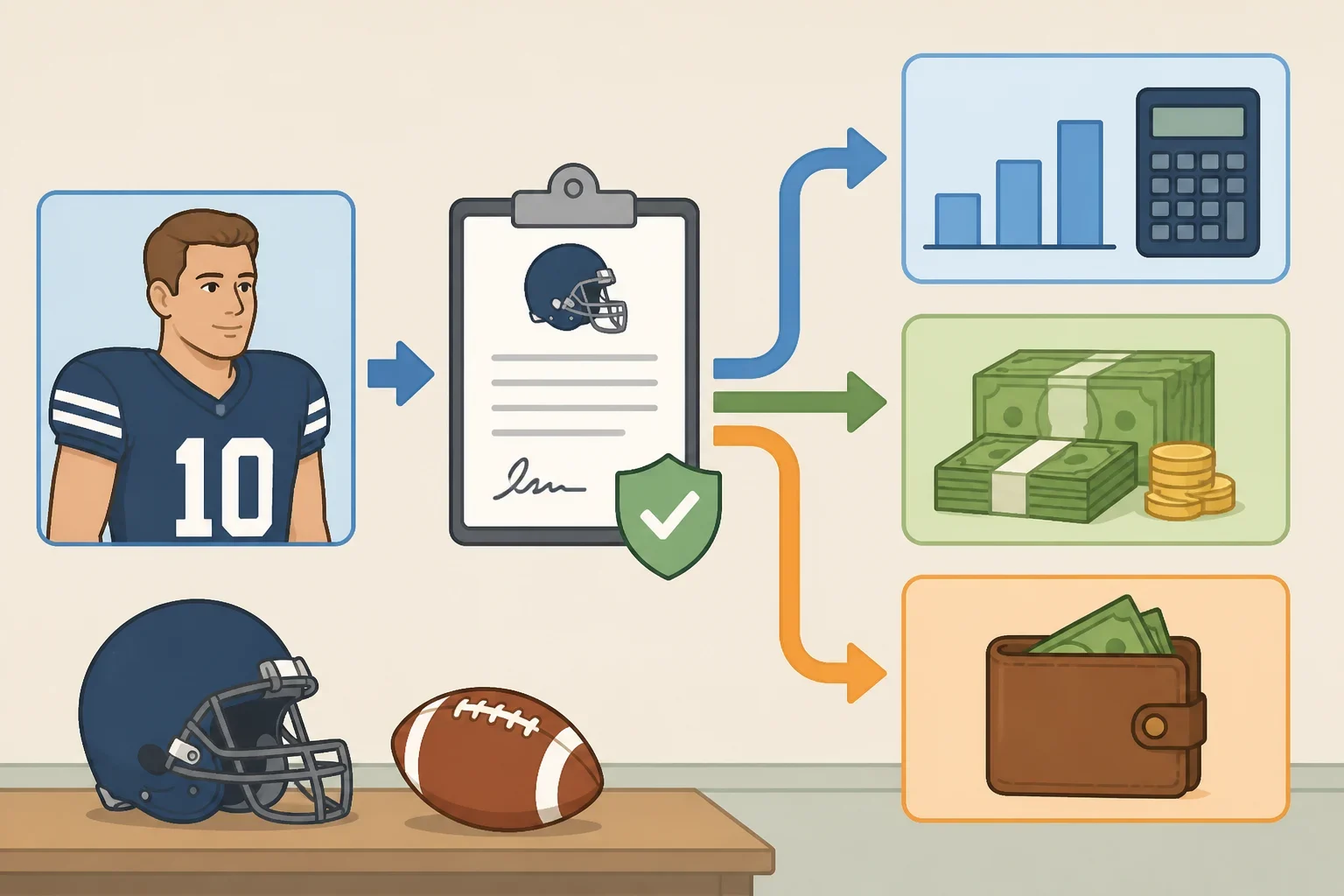
Teams aren't just trading for a player. They're trading for his contract, which is why cap math can constrain either side of a deal, not just the club acquiring him, according to NFL.com.
There's also a pattern where the team trading a player away agrees to keep paying part of his salary even after he leaves, per NFL.com. The acquiring team doesn't automatically take on the full contract in every deal.
Three separate numbers get confused here, and it helps to keep them apart:
- Cap charge: the dollar amount assigned to a team's salary cap for a given year.
- Dead money: the cap charge still sitting on a team's books for a player no longer on the roster, usually left over from signing-bonus proration that hasn't finished counting against the cap, according to CBS Sports.
- Cash obligation: money the team still has to pay, which only applies if salary guarantees remain on the contract or the player was already paid earlier in that league year, per CBS Sports.
Dead money by itself is a sunk accounting figure, not a check written to the player, according to CBS Sports. It only becomes an actual payment when guarantees are attached.
CBS Sports' cap breakdown offers one example from its 2023 league-year analysis, without naming the player: a $16.72 million cap number dropped by $10.9 million in savings once he left, leaving $5.82 million in dead money for that year and another $6.04 million carrying into the following year. Cap number, savings, and dead money are three separate figures tied to a single departure, and nothing keeps them close in size.
NFL post-June 1 trade rules explained
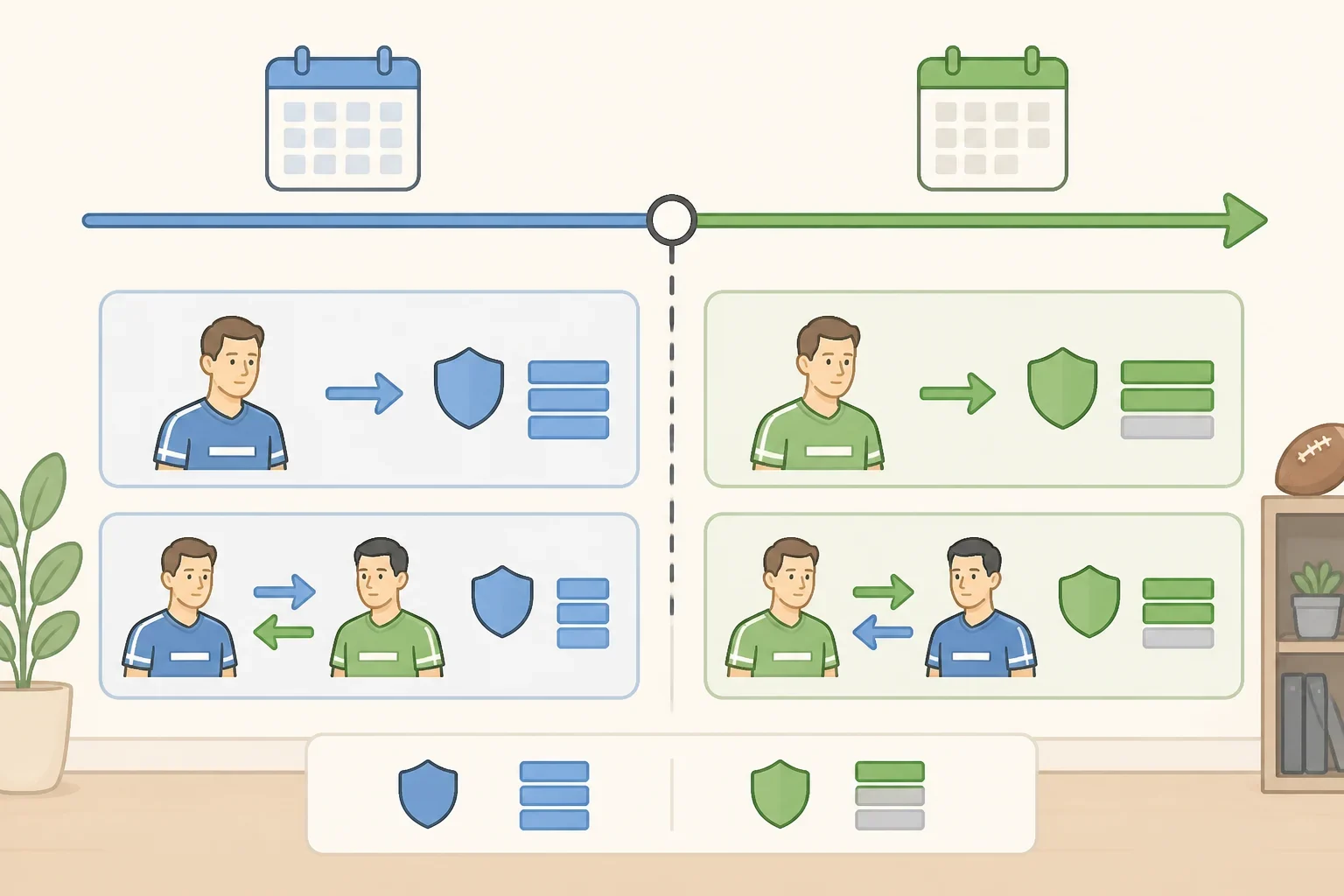
The post-June 1 designation, which lets a team delay part of its cap relief on a release, doesn't apply to trades at all, according to CBS Sports. It's strictly a release mechanism.
With an actual post-June 1 designated release, a team has to carry the player's entire cap number on its books until June 2, even though he's already off the roster, per CBS Sports. Eight players were released under that designation during the 2023 league year, with the Browns and Cardinals each using both of their available designations, per CBS Sports.
At that post-June 1 accounting point, a player's salary comes off the team's books unless part of it is guaranteed, according to CBS Sports. That single detail determines whether dead money stays a pure accounting entry or turns into an actual check the team still has to write.
Trades handle bonus proration automatically, with no team designation required. Under the accounting rule CBS Sports described for the 2023 league year, only that year's slice of a contract's bonus proration counted against the cap when a trade happened after June 1, with the rest shifting to the following year on its own, per CBS Sports. Cap rules run through the collective bargaining agreement and can shift between years, so confirm current terms through NFL or NFLPA resources rather than assuming this carries into 2026 unchanged.
To see the arithmetic without attaching it to a real contract: if a deal's current-year bonus proration is $2 million but its total remaining unamortized proration is $8 million, only that $2 million would count on the current cap after a June trade, with the other $6 million rolling forward. That's a simplified illustration built for this article, not a figure tied to an actual player.
What to check before calling a trade final
A reported trade and a completed one aren't the same thing, and the gap between them is where all the rules above actually apply.
- Confirm this year's exact trade deadline date and time against the NFL's official calendar rather than assuming it repeats a past season.
- Treat an "agreed to" compensation headline as terms two front offices settled on, not proof the transaction has cleared its contract conditions.
- Watch for the report-and-physical step under standard contract language before assuming a traded player is fully locked in with his new team, per NFL.com.
- Expect the trading team, not just the acquiring one, to sometimes retain part of the salary or a dead-money charge tied to the player's signing bonus, per CBS Sports.
- Remember that a post-June 1 trade shifts bonus proration automatically, with no designation required, unlike a post-June 1 designated release.